Written by Kadek Darma
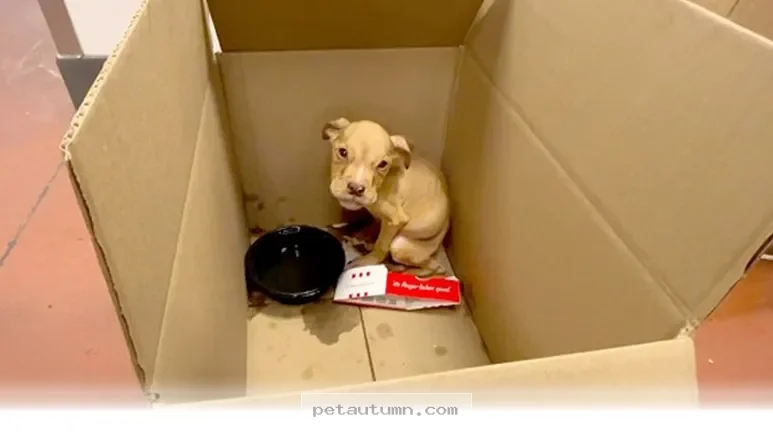
Sometimes, the most fragile beginnings lead to the most heartwarming journeys. When Drummy was first discovered, he was a tiny, trembling soul who seemed to have very little fight left in him.
He was just five months old and weighed a mere five pounds. Seeing a puppy so weak that he could not even stand on his own is a memory that stays with you forever.
Key Takeaways
- Early intervention and consistent, loving care are vital for rescuing neglected puppies.
- Physical rehabilitation requires patience, small steps, and professional guidance.
- Building a secure environment helps anxious rescue dogs rebuild their confidence.
- Nutrition and hydration are the foundation of a recovery plan for underweight animals.
The Reality of Rescuing a Fragile Puppy
When you take on the responsibility of nursing a sick or neglected puppy back to health, you enter a world of round-the-clock commitment. It is not just about providing food; it is about creating a sense of safety for a creature that has known only fear or abandonment.
Drummy’s transformation did not happen overnight. It was a gradual process of building trust while his small body slowly regained the strength it needed to function.
1. Recognizing the Signs of Severe Weakness
If you ever find yourself in a position to help a puppy in distress, you must be able to spot the immediate warning signs. These little ones often hide their pain until they can no longer physically cope.
- Extreme lethargy or inability to stand.
- Visible ribs or a sunken, emaciated appearance.
- Inconsistent appetite or refusal to eat.
- Shaking that persists even in warm environments.
- Dulled eyes that lack a normal, alert shine.
2. Creating a Healing Environment
A puppy that has faced trauma or extreme neglect needs a quiet, low-stress space to rest. You should aim to minimize loud noises and keep their environment consistently warm to help them conserve energy.
According to the American Kennel Club, puppies have specific developmental needs that, when missed, can lead to long-term behavioral challenges. By providing a predictable routine, you help the puppy understand that they are safe and that their needs will be met consistently.
3. The Path to Physical Recovery
Recovery is often a slow climb. You might be tempted to rush the process, but your focus should always be on slow, steady progress rather than quick fixes.
| Recovery Stage | Focus Area |
|---|---|
| Stabilization | Hydration and thermal regulation |
| Nutrition | Small, frequent, nutrient-dense meals |
| Mobility | Short, assisted sessions on soft surfaces |
| Monitoring | Tracking weight and energy daily |
4. Supporting Emotional Growth
Beyond the physical, you have to nurture the spirit. Many rescue dogs struggle with confidence because they have never been encouraged to explore or play.
Encourage them with gentle praise and soft, non-threatening toys. As PetMD suggests, positive reinforcement is the best tool for building a bond with a dog that has had a rough start.
5. Essential Supplies for Rescues
Preparation makes the process smoother for both you and the puppy. Keep these items handy if you are bringing a fragile puppy home:
- High-quality puppy formula or recovery food.
- Soft, washable bedding that provides extra warmth.
- A gentle, non-restrictive harness for assisted walking.
- Calming pheromone diffusers to reduce anxiety.
- A digital scale to track weight gain precisely.
Moving Forward with Patience
Recovery is rarely a straight line. You will likely see days where the puppy seems to take two steps forward, only to have a day where they feel slightly off.
Consistency in your care helps the puppy understand the rhythm of their new life. When you stay patient, you allow them the grace they need to heal on their own timeline.
The information on petautumn.com is for general informational purposes only and does not constitute veterinary advice. Pet health needs vary by breed, age, and individual condition. Always consult a licensed veterinarian before making decisions about your pet’s health, diet, or medical treatment. Pet Autumn is not affiliated with any veterinary organization, pet food manufacturer, or breeder.
Watching a dog like Drummy overcome such steep odds serves as a reminder of the resilience found in animals. Every small success, from taking a first solid step to eating a full meal, is a victory worth celebrating.
You do not need to be an expert to make a difference in a dog’s life. You simply need to be present, observant, and ready to provide the love that helps them blossom into the happy companion they were always meant to be.

Dog care writer at petautumn.com. Visual Communication Design graduate (S.Ds) from Universitas Udayana. Covers dog breeds, behavior, training, and gear reviews. Dog dad to Meepo. Based in Austin, Texas.