Written by Kadek Darma
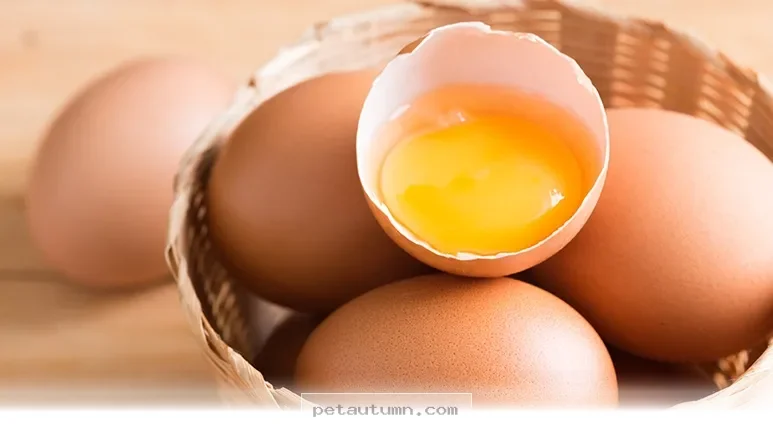
The humble egg is a culinary staple in kitchens across the globe, loved for its versatility and simple preparation. Beyond your breakfast plate, this nutrient-dense food acts as a powerhouse of bioavailable vitamins and minerals that can offer incredible benefits for your furry companion.
Often called nature’s original superfood, eggs are an inexpensive and highly digestible addition to your pet’s diet. Whether you are looking for a quick snack or a way to boost their daily nutrient intake, this simple food is worth exploring.
Key Takeaways
- Eggs contain all 10 essential amino acids, which are the fundamental building blocks for muscle growth and cellular repair.
- Rich in phospholipids and choline, eggs may support cognitive health and potentially lower the risk of age-related brain decline.
- Lutein and zeaxanthin found in high-quality eggs act as powerful antioxidants to help protect your pet’s vision.
- Always prioritize pasture-raised eggs, as these often contain higher levels of omega-3 fatty acids compared to conventional options.
- Eggs provide a low-calorie, high-protein boost that fits perfectly into a balanced, healthy pet lifestyle.
Why Eggs Are a Nutritional Powerhouse
When you choose the right source, eggs provide a complete profile of amino acids that your pet cannot synthesize on their own. These molecules are vital for everything from maintaining healthy skin and coat to supporting metabolic regulation and immune function.
Choosing pasture-raised eggs ensures your pet receives the highest quality of nutrients. These birds forage in natural environments, which significantly impacts the fatty acid profile of the eggs they produce.
1. The Role of Phospholipids
Phospholipids are the structural guardians of your pet’s cell membranes, ensuring that nutrients can enter cells while waste is removed. By maintaining the integrity of these membranes, phospholipids help your pet’s body function at an optimal level.
Research suggests that these lipids may also provide anti-inflammatory support. For senior pets, this can be particularly helpful for managing joint comfort and overall vitality.
2. Supporting Cognitive Health with Choline
As your dog or cat ages, you may notice changes in their focus and memory. Choline is a critical nutrient found in eggs that supports the synthesis of essential lipids in the brain.
Regular intake of choline helps preserve the structural integrity of neurons and may assist in maintaining sharper mental function. Think of it as a small, daily investment in your pet’s long-term cognitive clarity.
Choosing the Best Eggs for Your Pet
Not all eggs are created equal, and the lifestyle of the animal makes a significant difference in the final product. You want to look for options that prioritize animal welfare and environmental quality.
| Feature | Conventional Eggs | Pasture-Raised Eggs |
|---|---|---|
| Nutrient Density | Moderate | High |
| Omega-3 Levels | Low | Higher |
| Environmental Impact | Industrial | Sustainable |
| Cost | Budget-friendly | Premium |
Note: Pasture-raised options are generally preferred for their superior nutritional profile and support of ethical farming practices.
Essential Nutrients for Eye and Immune Health
Eggs are an excellent source of lutein and zeaxanthin, two antioxidants that concentrate in the retina. These compounds act like internal sunglasses, helping to protect sensitive ocular tissues from oxidative stress and blue light exposure.
Beyond vision, lutein has been shown to support a robust immune response in dogs. By helping the body respond more efficiently to external stressors, these nutrients contribute to your pet’s overall resilience.
Feeding Tips for Pet Owners
Incorporating eggs into your pet’s routine should be simple and stress-free. If you are introducing this food for the first time, start with a small amount to ensure your pet digests it well.
- Start slow: Offer a small portion to monitor how your pet handles the new protein source.
- Keep it simple: You can serve eggs lightly cooked or raw, depending on your comfort level and your pet’s specific dietary plan.
- Avoid extras: Do not add salt, butter, oils, or spices, as these can upset a pet’s stomach.
- Consistency is key: A little bit goes a long way, so treat eggs as a supplemental boost rather than a full meal replacement.
- Quality first: Always purchase from reputable sources that prioritize the health of the animals and the land.
For more information on balanced nutrition, you can visit resources like the American Kennel Club. You might also look into the guidelines provided by the ASPCA regarding safe human foods for pets.
The information on petautumn.com is for general informational purposes only and does not constitute veterinary advice. Pet health needs vary by breed, age, and individual condition. Always consult a licensed veterinarian before making decisions about your pet’s health, diet, or medical treatment. Pet Autumn is not affiliated with any veterinary organization, pet food manufacturer, or breeder.
Adding a little extra nutrition to your pet’s day does not have to be complicated or expensive. By utilizing the simple, natural benefits of eggs, you are providing your companion with high-quality building blocks that support their health for years to come.
Take a moment to observe how your pet reacts to this healthy addition. With consistent, mindful choices, you can help your best friend thrive at every stage of their life.

Dog care writer at petautumn.com. Visual Communication Design graduate (S.Ds) from Universitas Udayana. Covers dog breeds, behavior, training, and gear reviews. Dog dad to Meepo. Based in Austin, Texas.