
Last Updated: May 1, 2026
A $6,800 vet bill. That’s what one family in Austin paid after their Labrador swallowed a corn cob and needed emergency surgery. Their dog survived. Their savings account didn’t recover for two years.
The frustrating part? They had looked into pet insurance six months earlier and decided against it because the monthly premium felt too high. That $52 a month would have covered nearly everything. Stories like that are everywhere, and they all share the same pattern: owners who misunderstood how dog health insurance actually works, made a common mistake, and ended up paying far more than they needed to.
At petautumn.com, we put together this guide to break down the real numbers, explain how coverage actually works, and lay out the seven most common mistakes dog owners make before they ever file a single claim.
Key Takeaways
- The average dog health insurance premium in 2026 is around $43 to $56 per month for accident and illness coverage
- Your dog’s breed, age, and your ZIP code are the three biggest factors affecting your premium
- Most plans do not cover pre-existing conditions, which is why enrolling while your dog is young and healthy matters enormously
- Cheap plans can cost you more in the long run if they use benefit schedules instead of actual cost reimbursement
- Canceling after a claim-free year is one of the most expensive decisions a dog owner can make
What Does Dog Health Insurance Actually Cost Per Month?
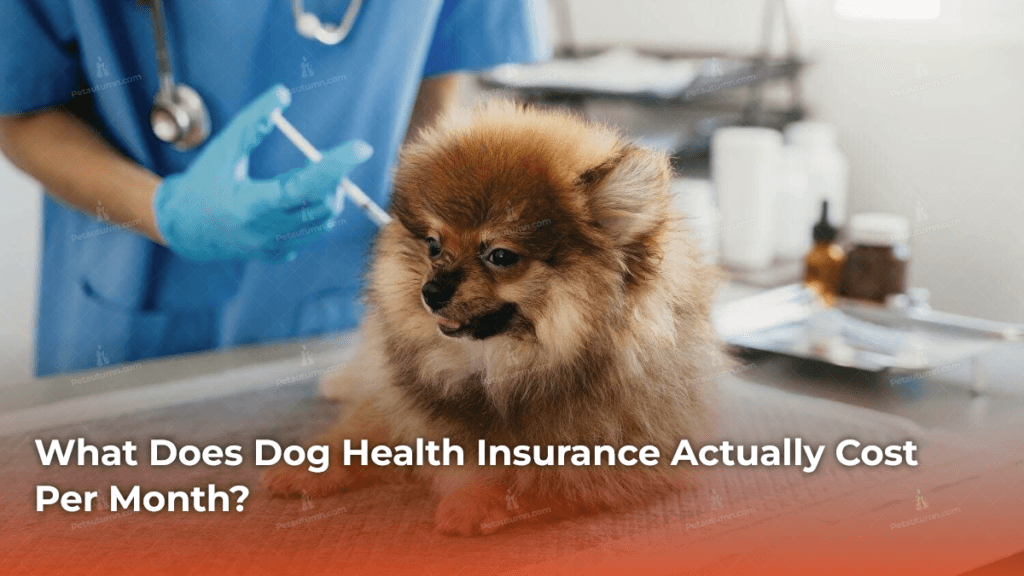
The national average for dog health insurance sits at roughly $43 to $56 per month in 2026, depending on the source and coverage level, according to data from Insurify and the American Animal Hospital Association (AAHA). That range covers accident and illness plans, which are the most common type.
Accident-only plans cost significantly less, around $16 per month on average. But the coverage gap between accident-only and full accident and illness protection is enormous, and most owners only discover that gap when they actually need to use it.
Average Premium by Breed (Small, Medium, Large)
Breed is one of the strongest cost drivers in dog insurance. Insurers price risk based on documented health histories and hereditary conditions tied to specific breeds. Here’s how premiums break down across popular dogs in 2026:
| Breed | Size Category | Est. Monthly Premium (A&I) | Key Risk Factors |
|---|---|---|---|
| Chihuahua | Small | $33-$36/mo | Patellar luxation, dental disease |
| Beagle | Small-Medium | $38-$45/mo | Epilepsy, hypothyroidism |
| Labrador Retriever | Large | $45-$55/mo | Hip dysplasia, obesity-related conditions |
| Golden Retriever | Large | $47-$58/mo | Cancer risk, hip dysplasia, heart issues |
| German Shepherd | Large | $50-$62/mo | Degenerative myelopathy, hip dysplasia |
| French Bulldog | Small-Medium | $70-$90/mo | BOAS, IVDD, skin allergies |
Source: Insurify and Compare.com data, April 2026. Rates based on a standard $500 deductible, 80% reimbursement, $10,000 annual limit for a 3-year-old male dog in Texas.
Mixed-breed dogs tend to sit at the lower end of that range. That’s partly why Meepo, Kadek’s 42-lb rescue mix from the Austin shelter, costs less to insure than most purebred dogs his size.
Average Premium by Dog Age
Age is the other major variable. Insurers charge more as dogs get older because the probability of claims increases. The table below shows how premiums shift across life stages:
| Dog Age | Monthly Premium Range (A&I) | Notes |
|---|---|---|
| 8 weeks – 1 year | $20-$38/mo | Lowest premiums; best time to enroll |
| 1-4 years | $35-$55/mo | Stable range for most breeds |
| 5-8 years | $50-$80/mo | Premiums begin climbing noticeably |
| 9+ years | $80-$135/mo | Some providers restrict or decline coverage |
Figures correct as of April 2026. Source: MoneyGeek, Compare.com aggregated rate data.
What Drives the Price Up or Down?
Three things move your premium the most: the coverage level you choose, your dog’s breed and age, and where you live. Urban dog owners in New York, Massachusetts, or Washington State can pay 25% to 50% more than the national average for identical coverage, because local vet costs are higher and insurers price accordingly.
Beyond those core factors, two policy variables are entirely in your control: your deductible and your reimbursement rate.
Deductible vs Reimbursement Explained Simply
The deductible is what you pay out of pocket before insurance kicks in. Most plans offer deductibles from $100 to $1,000. A higher deductible lowers your monthly premium but increases your cost when you actually file a claim.
The reimbursement rate is the percentage your insurer pays of covered expenses after your deductible. Standard options are 70%, 80%, or 90%. Choosing 90% reimbursement raises your premium by roughly 15-25% compared to a 70% plan, but it significantly reduces your out-of-pocket costs on big claims.
Annual Limit and Why It Matters More Than You Think
The annual limit is the maximum your insurer will pay per policy year. Options typically range from $2,500 to unlimited coverage. This number matters enormously if your dog develops a chronic condition or needs major surgery.
A $5,000 annual limit sounds like a lot until you price out orthopedic surgery for a torn ACL (yes, dogs get those too), which can run $4,000 to $6,500 per leg. If your dog needs the other leg done the following year, you could hit the cap twice. Going with a higher annual limit, or unlimited coverage, costs more per month but provides far more protection when it counts.
What You Actually Get for Your Money
Not all dog insurance is the same. There are three main plan types, and understanding the difference prevents a lot of frustration later.
Accident-Only vs Accident and Illness vs Wellness Plans
| Plan Type | Avg Monthly Cost | What’s Covered | What’s NOT Covered |
|---|---|---|---|
| Accident-Only | ~$16/mo | Broken bones, lacerations, foreign object ingestion, poisoning | All illnesses, cancer, infections, hereditary conditions |
| Accident and Illness | $43-$56/mo | Everything above plus cancer, infections, hereditary conditions, surgeries, diagnostics | Routine care, pre-existing conditions, dental cleanings |
| Accident, Illness + Wellness Add-On | $55-$75/mo | Everything above plus annual exams, vaccinations, heartworm testing, flea/tick prevention | Pre-existing conditions; cosmetic procedures |
Routine checkups, annual vaccines, dental cleanings, and flea and tick prevention are not covered by standard accident and illness plans. These are considered routine care. If you want those covered, you need a wellness add-on or a separate wellness plan.
Sample Claim Scenarios With Real Numbers
Here’s how the math works in real claims, using a plan with an $500 annual deductible and 80% reimbursement:
| Situation | Total Vet Bill | After Deductible | Insurance Pays (80%) | You Pay Total |
|---|---|---|---|---|
| Swallowed object, surgery | $4,200 | $3,700 | $2,960 | $1,240 |
| ACL surgery (one leg) | $5,500 | $5,000 | $4,000 | $1,500 |
| Cancer diagnosis and treatment | $9,000 | $8,500 | $6,800 | $2,200 |
| Ear infection (minor illness) | $280 | $0 (under deductible) | $0 | $280 |
That last row is worth noting. Small bills that don’t exceed your annual deductible are paid entirely out of pocket. Insurance is designed to protect against big, unexpected expenses, not minor routine costs.
Is Cheap Dog Insurance a Red Flag?
Honestly? Sometimes. A $15-a-month accident and illness plan that sounds too good to be true usually comes with very low annual limits, a benefit schedule reimbursement model (more on that in Mistake 6), or a long list of breed-specific exclusions buried in the fine print.
Budget plans aren’t automatically bad. But the savings on your premium can disappear fast if the plan only covers $1,500 per condition or refuses to pay full vet cost on a $4,000 surgery. Compare total out-of-pocket potential, not just monthly cost, before you decide.
Mistake 1: Waiting Until Your Dog Gets Sick to Enroll
This one causes the most damage. Once a condition is diagnosed, it becomes a pre-existing condition. And virtually every US pet insurer excludes pre-existing conditions from coverage.
When Kadek adopted Meepo from the Austin shelter in 2019, the first thing he did after getting him checked out by a vet was look into pet insurance. Meepo was an adult dog, estimated at about two years old at the time, with no diagnosed conditions. Enrolling early meant locking in a lower premium before any health issues showed up. That window matters a lot. Check out why skipping pet insurance can cost you far more than you think for a full breakdown of the financial risk.
The best time to enroll is when your dog is a puppy, ideally between 8 weeks and one year old. Premiums are lowest, and you avoid the pre-existing condition trap entirely.
Mistake 2: Choosing the Cheapest Plan Without Reading the Fine Print
A low premium is appealing. But the exclusions list on some budget plans is longer than the coverage list. Common surprises dog owners find after the fact: dental illness not covered, hereditary conditions excluded, behavioral therapy not included, and bilateral condition clauses that deny a second claim once one side of a paired condition has been treated (both hips, both knees).
Read the sample policy document before you sign up. Every insurer is required to provide one. If you can’t easily find what’s excluded, that’s a red flag on its own.
Mistake 3: Assuming Breed Doesn’t Affect Coverage
Breed affects both your premium and which conditions are covered. Some budget insurers include breed exclusion lists that remove the exact conditions your dog is most likely to develop. For a Golden Retriever owner, a plan that excludes hereditary heart conditions or hip dysplasia is barely insurance at all. For more on Golden Retriever-specific health risks, this breed guide covers exactly what first-time owners should prepare for.
High-Risk Breeds and What Insurers Look For
Insurers flag breeds with documented genetic predispositions to expensive conditions. The ones that typically come with the highest premiums and most scrutiny are:
- French Bulldogs – brachycephalic obstructive airway syndrome (BOAS), intervertebral disc disease (IVDD), skin allergies. Average premium: $76/month nationally.
- Great Danes – bloat (GDV), heart disease, joint issues. Large body = higher risk and higher cost to treat.
- Bulldogs – breathing difficulties, hip and joint issues, cherry eye.
- Rottweilers – hip dysplasia, osteosarcoma (bone cancer), heart conditions.
- Bernese Mountain Dogs – cancer rates among the highest of any breed, hip dysplasia.
If your dog is one of the above, verify that hereditary conditions are explicitly included in any plan you consider, not just listed as covered in the marketing copy.
Mistake 4: Ignoring the Pre-Existing Condition Clause
Most US pet insurers define a pre-existing condition as any illness, injury, or symptom that existed before your policy’s effective date or during the waiting period. That includes conditions your vet noted in a past medical record even if they were never formally treated.
There’s an important distinction between curable and incurable pre-existing conditions. An ear infection, for example, may be covered again after a symptom-free waiting period of 6-12 months. Hip dysplasia is typically excluded permanently. If your dog has an existing diagnosed condition, read the policy’s pre-existing condition definitions carefully before purchasing. Our article on getting dog insurance with a pre-existing condition like diabetes goes deeper into how different providers handle complex cases.
Mistake 5: Skipping Wellness Add-Ons and Regretting It Later
Wellness add-ons typically cost an extra $10 to $25 per month and cover annual exams, vaccinations, heartworm testing, and flea and tick prevention. Many dog owners skip them assuming they’ll just pay those costs out of pocket.
The math on this depends on how often you use preventive care. An annual exam at most US vet clinics now runs $50-$80. Add a heartworm test ($45-$65), core vaccines ($25-$75), and a year of flea and tick prevention ($80-$150), and you’re looking at $200-$370 annually in routine costs. A $15/month wellness add-on would reimburse roughly $180 per year. For some owners it breaks even. For others, especially those in areas with high tick exposure or warm-weather climates where heartworm risk is year-round, it pays for itself comfortably.
Worth running the actual numbers for your dog before dismissing it.
Mistake 6: Not Comparing Reimbursement Models (Actual Cost vs Benefit Schedule)
This is the one most owners don’t even know exists, and it catches a lot of people off guard at claim time.
There are two main reimbursement models in US pet insurance:
Actual cost (invoice) method: The insurer pays a percentage of what your vet actually charged. If your vet bills $4,000 for surgery and your plan covers 80% after your deductible, you get reimbursed based on real costs.
Benefit schedule method: The insurer pays a fixed amount per condition or procedure, regardless of what your vet actually charged. Surgery that costs $4,000 at your clinic might only reimburse $1,200 if the benefit schedule caps that procedure at $1,500. The rest comes out of your pocket.
Benefit schedule plans often look cheaper upfront. They frequently are cheaper to run because the insurer’s liability is capped. Real talk: if your vet is in a high-cost urban area, benefit schedule plans can leave you with much larger out-of-pocket bills than you expected.
Always ask which reimbursement model a plan uses before signing up. Most modern accident and illness plans from major providers use the actual cost method. Benefit schedules are more common in older-style or budget plans.
Mistake 7: Canceling After One Good Year
Your dog had a healthy year. No accidents, no illnesses, no claims. The premium feels like wasted money. So you cancel.
And then the following year, your dog tears an ACL. Or gets diagnosed with cancer. Or swallows something they shouldn’t (ask any dog owner how often this happens).
Pet insurance is not a savings account. You do not “win” by using it every year. A claim-free year means your dog was healthy, which is the actual goal. The value is in protection against low-probability, high-cost events. Most owners who cancel after a good year and then face a major expense the following year deeply regret the decision. It happens more than you would think.
One more thing: some insurers allow continuous enrollment to count toward fulfilling pre-existing condition waiting periods. Canceling and re-enrolling later resets that clock, and any new conditions that developed during the gap may be classified as pre-existing under the new policy.
Please note: The information on petautumn.com is for general informational purposes only and does not constitute veterinary advice. Pet health needs vary by breed, age, and individual condition. Always consult a licensed veterinarian before making decisions about your pet’s health, diet, or medical treatment. Pet Autumn is not affiliated with any veterinary organization, pet food manufacturer, or breeder.
Understanding how dog health insurance actually works is more than half the battle. The premiums are real, the exclusions are real, and the mistakes above are ones that real dog owners make every single year. Enroll early, read the full policy, and check which reimbursement model you’re signing up for.
If your dog is healthy right now, that’s the ideal moment to get coverage locked in. Don’t wait for the $6,800 bill to change your mind. For more on keeping track of your dog’s ongoing health care needs, your dog’s vet visit schedule from puppy to senior is a solid next read.
Your dog doesn’t care how expensive their vet bills are. But you will. Plan accordingly.
Sources:
- American Kennel Club (AKC) – Breed Health Information
- American Veterinary Medical Association (AVMA) – Pet Ownership and Veterinary Costs
- Insurify Pet Insurance Cost Data, April 2026
- Compare.com Pet Insurance Rate Analysis, March-April 2026
- American Animal Hospital Association (AAHA) – Average Premium Report 2025/2026
- MoneyGeek Pet Insurance Cost Analysis, April 2026
Frequently Asked Questions

Dog care writer at petautumn.com. Visual Communication Design graduate (S.Ds) from Universitas Udayana. Covers dog breeds, behavior, training, and gear reviews. Dog dad to Meepo. Based in Austin, Texas.