Written by Kadek Darma
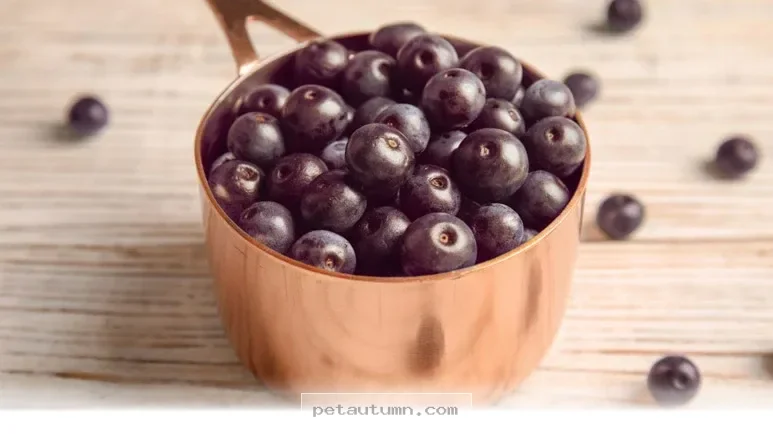
You might recognize the acai berry as a staple in your own morning smoothie bowl. This deep purple fruit from the Brazilian rainforest has earned a reputation as a powerhouse of nutrition for humans, but you may wonder if it belongs in your dog’s bowl as well.
Sharing human snacks with your furry best friend is a common way to bond, yet it is important to be selective about what you provide. While some fruits are perfectly safe, others require caution to ensure your pet stays happy and healthy.
Key Takeaways
- Acai berries contain high levels of antioxidants that outperform many other common fruits.
- The berries contain trace amounts of theobromine, which requires you to practice strict moderation.
- Healthy fatty acids found in acai can support your dog’s skin and coat health.
- Always choose pure, unsweetened acai products to avoid harmful additives like xylitol or sugar.
- Consult your veterinarian before introducing any new supplement to your pet’s daily routine.
Understanding the Acai Superfood Profile
The acai berry, scientifically known as Euterpe oleracea, grows on palm trees in the Amazon. These small, dark drupes are often compared to blueberries, but their nutritional density sets them apart in the world of whole foods.
Researchers have found that these berries possess a high oxygen radical absorption capacity. This essentially means they are incredibly efficient at neutralizing free radicals that can cause oxidative stress in your pet’s body.
The Theobromine Factor Explained
You may have heard that acai contains theobromine, the same compound found in chocolate that can be dangerous for dogs. It is true that this compound exists within the berry, but the concentration is incredibly low compared to cocoa products.
Because the amount is so minuscule, it does not pose a threat to your dog when served in tiny, controlled portions. However, you should never offer your pet chocolate, as the concentrations there are far too high for their digestive systems to process safely.
1. Preparing Acai for Your Dog
If you decide to introduce this berry to your pet, follow these simple steps to ensure safety:
- Purchase pure, frozen acai puree that contains no added sugar or artificial sweeteners.
- Check the ingredient label meticulously to ensure the product is free from xylitol, which is toxic to dogs.
- Start by mixing just a half-teaspoon into your dog’s regular food to monitor their digestion.
- Observe your pet for any signs of stomach upset or changes in behavior over the next 24 hours.
2. Benefits of Healthy Fats
Beyond antioxidants, acai is rich in fatty acids that can support your dog’s physical well-being. These include essential fats that assist in maintaining a glossy coat and healthy skin.
- Oleic acid: Helps support heart health and provides a source of energy.
- Omega-3s: Assist in managing inflammation and supporting immune system function.
- Omega-6s: Crucial for cell growth and skin barrier maintenance.
Nutritional Comparison Table
| Feature | Acai Berry | Blueberries |
|---|---|---|
| Antioxidant Level | Exceptionally High | High |
| Fatty Acid Content | Rich in Healthy Fats | Low |
| Safety for Pets | Safe in Moderation | Very Safe |
| Common Form | Frozen Puree / Powder | Fresh / Whole |
Note: Always ensure products are free from added sweeteners.
Potential Risks and Precautions
While the fruit itself is generally safe in small doses, the way it is packaged often poses the biggest risk. Many commercial acai smoothie packs are loaded with sugar, preservatives, or other fruits that may not be ideal for your pet.
Watch for these symptoms if your pet accidentally consumes a large amount of an unknown product:
- Vomiting or diarrhea
- Increased heart rate
- Restlessness or hyperactivity
- Muscle tremors or unusual lethargy
The information on petautumn.com is for general informational purposes only and does not constitute veterinary advice. Pet health needs vary by breed, age, and individual condition. Always consult a licensed veterinarian before making decisions about your pet’s health, diet, or medical treatment. Pet Autumn is not affiliated with any veterinary organization, pet food manufacturer, or breeder.
Adding a small spoonful of pureed fruit to your pet’s meal can be a refreshing treat on a warm afternoon. By keeping portions minimal and choosing only high-quality, additive-free products, you can safely let your dog enjoy the benefits of this tropical superfood.
Always prioritize your dog’s established diet when experimenting with new toppers. If you notice any unusual reactions, stop feeding the berries immediately and reach out to your veterinary clinic for guidance.

Dog care writer at petautumn.com. Visual Communication Design graduate (S.Ds) from Universitas Udayana. Covers dog breeds, behavior, training, and gear reviews. Dog dad to Meepo. Based in Austin, Texas.