Written by Kadek Darma
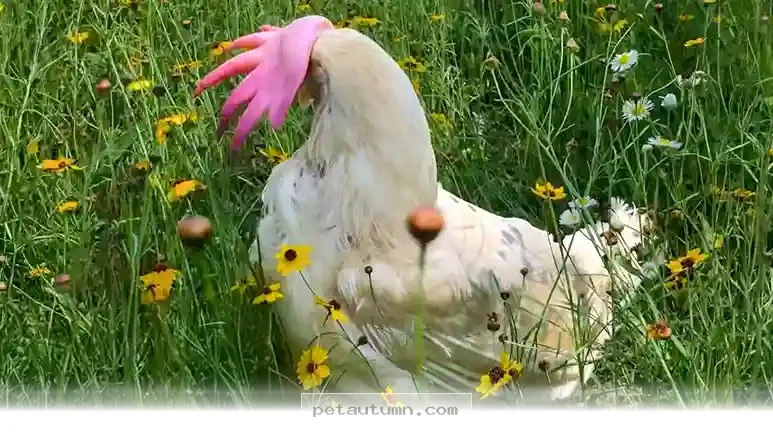
Have you ever wondered if the animals we often overlook have their own unique stories to tell? When Blossom, a hen formerly used in the egg industry, first stepped onto a patch of grass, her reaction changed everything for those who witnessed it.
She didn’t just walk; she ran with a sense of pure, unadulterated joy that revealed a vibrant personality hidden away for far too long. Her transformation serves as a beautiful reminder that every creature has a capacity for happiness when given the chance to live freely.
Key Takeaways
- Chickens are highly sentient animals with complex social structures and individual personalities.
- Rescued hens often undergo a remarkable transformation when provided with proper care, space, and freedom.
- Understanding the history of commercial egg-laying hens helps us appreciate their resilience and capacity for affection.
- Small-scale backyard care for rescued hens focuses on providing safe shelter, proper nutrition, and mental stimulation.
Understanding the Needs of Rescued Hens
Transitioning a commercial hen to a life of freedom requires patience and a gentle touch. Because these birds have often spent their lives in confined spaces, they need time to adjust to the sensory overload of the natural world.
1. Initial Adjustment Phase
When you first bring a rescue hen home, keep her in a quiet, confined area for a few days. This helps her feel secure while she acclimates to the sights and sounds of your yard.
2. Gradual Introduction to Outdoors
Once she is settled, allow her access to a small, protected outdoor run. Watching her discover dirt, sun, and grass for the first time is one of the most rewarding experiences you can have as a pet owner.
3. Nutrition and Health
Commercial hens often arrive with specific nutritional needs. Always provide high-quality layer feed supplemented with grit to help them digest their food properly.
| Aspect | Conventional Industry Standard | Backyard Rescue Care |
|---|---|---|
| Living Space | Extremely confined | Ample room to roam |
| Dietary Variety | Monotonous pellets | Foraging, greens, and treats |
| Social Life | Minimal interaction | Social flock integration |
| Stress Levels | Consistently high | Low and manageable |
Recognizing the Joy in Your Flock
You might be surprised to find that chickens are quite affectionate creatures once they learn to trust their humans. Just like a dog or a cat, a hen can form a deep bond with you, often following you around the garden or greeting you at the gate.
Transitioning to this type of care means observing their behaviors closely to ensure they are happy. If you notice your hen engaging in natural behaviors like dust bathing or foraging, you know you are providing a high quality of life.
Common Signs of a Happy Hen
- Dust Bathing: They dig holes in the dirt to clean their feathers.
- Vocalizations: Soft clucking or purring sounds indicate contentment.
- Active Foraging: A curious hen is almost always a healthy, happy hen.
- Socializing: They prefer the company of other birds or their human caretakers.
Essential Supplies for Your New Companion
- Secure coop with proper ventilation
- Durable nesting boxes for comfort
- High-quality poultry grit and calcium supplements
- Shallow waterers that are easy to clean
- Safe, predator-proof fencing for their run
Comparing Different Care Environments
Choosing how to house your rescued hen is a big decision that affects her long-term well-being. While you want to give her freedom, you must always balance that with the reality of predator protection in your specific area.
| Feature | Open Range | Protected Run |
|---|---|---|
| Exercise Opportunities | Excellent | Moderate |
| Predator Risk | High | Low |
| Supervision Needed | Constant | Minimal |
Providing a balance between these two styles usually works best for the average pet owner. You can allow supervised time in the yard while keeping them in a secure, predator-proof run when you are away.
Creating a Stimulating Environment
Chickens are remarkably intelligent and enjoy puzzles that keep their minds active. You can hang a head of cabbage from a string to encourage them to jump and peck, which provides hours of entertainment.
Providing a varied environment helps prevent boredom, which is a common issue for birds kept in small spaces. Simple changes to their run, such as adding a new stump or a pile of leaves, can make a world of difference.
The information on petautumn.com is for general informational purposes only and does not constitute veterinary advice. Pet health needs vary by breed, age, and individual condition. Always consult a licensed veterinarian before making decisions about your pet’s health, diet, or medical treatment. Pet Autumn is not affiliated with any veterinary organization, pet food manufacturer, or breeder.
When you decide to bring a rescue hen into your home, you are doing more than just providing a place to stay. You are giving her the chance to be the bird she was always meant to be, full of curiosity and life.
Whether she is chasing bugs in the backyard or simply resting in a sunbeam, that joy you witness is the greatest reward. Keep observing your bird, stay consistent with her care, and enjoy the unique bond that develops between you.

Cat care writer at petautumn.com. English Literature graduate (S.S) from Universitas Udayana. Covers cat breeds, behavior, nutrition, grooming, and health. Cat mom to Luna and Lina. Based in Austin, Texas.