Written by Kadek Darma
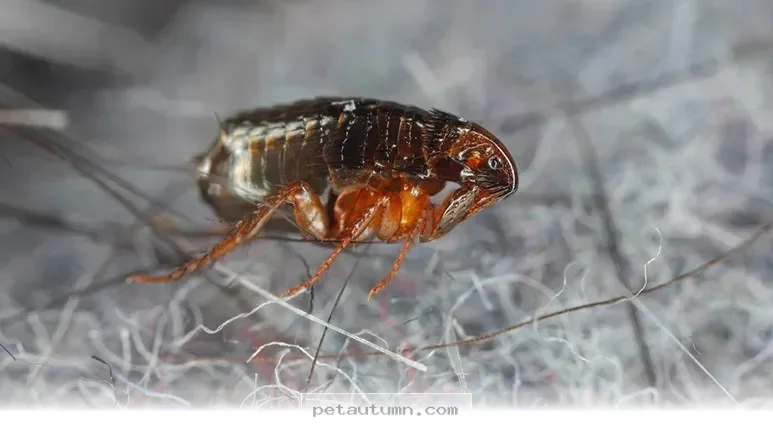
Your dog is scratching again, and after a quick inspection, you spot those telltale dark specks in their fur. You realize the inevitable has happened, and your home has become a landing pad for fleas.
For many pet parents, reaching for heavy chemical treatments or prescription medications feels like a last resort rather than a first choice. You might be concerned about potential side effects or simply prefer a more natural way to manage these persistent little pests.
Key Takeaways
- Fleas are masters of camouflage, with only 5% of the population living as adults on your pet; the rest are hiding as eggs, larvae, and pupae in your carpet and bedding.
- A successful natural strategy requires a three-pronged approach: consistent yard maintenance, rigorous indoor cleaning, and safe, plant-based deterrents for your dog.
- Regular vacuuming, steam cleaning, and washing bedding in hot water are non-negotiable steps to break the flea life cycle in your home.
- When using essential oils or natural sprays, always prioritize proper dilution and consult your veterinarian, as some concentrated substances can be toxic to pets.
Understanding the Flea Life Cycle
The most important thing to recognize is that you are not just fighting the bugs you see. A single female flea can lay up to 50 eggs every single day, which quickly scatter throughout your living space.
Because these eggs fall off your dog and settle deep into floor cracks, furniture, and rugs, you are essentially managing an ecosystem. Relying on a single product without addressing the environment will almost always lead to a frustrating cycle of recurring infestations.
1. Transforming Your Yard into a Fortress
Since most fleas hitch a ride from the outdoors, your yard is your first line of defense. By changing the environment, you make it much harder for fleas to survive or find a host in the first place.
- Keep your grass mowed at a consistent height to prevent the ground from staying overly damp.
- Trim back overgrown shrubs and trees to allow sunlight to penetrate the soil, as fleas thrive in dark, humid conditions.
- Clear away piles of leaf litter and yard debris where fleas often congregate to shelter.
- Use cedar mulch as a natural barrier around the perimeter of your home or garden.
- Plant natural deterrents like lavender, rosemary, or lemongrass in areas where your dog frequently hangs out.
2. Managing Your Indoor Environment
Once fleas are inside, you have to be more aggressive with your cleaning routine. Since they spend most of their time in the carpets and bedding, your vacuum is your best friend.
| Strategy | Effectiveness | Caution |
|---|---|---|
| Steam Cleaning | High | Use only water; avoid chemical additives. |
| Weekly Hot Wash | High | Use high-heat cycles for all pet bedding. |
| Diatomaceous Earth | Medium | Use only food-grade; avoid inhaling dust. |
| Essential Oils | Moderate | Never use undiluted; verify pet-safety first. |
Steps to Clear Your Home
- Vacuum every floor surface, baseboard, and corner of the room at least twice a week.
- Immediately empty your vacuum canister or bag into an outdoor bin to ensure no eggs survive inside.
- Use a steam cleaner on upholstery and rugs to kill larvae that might be hiding deep within the fibers.
- Wash all blankets and pet beds in the hottest water your machine allows to ensure you disrupt the life cycle.
3. Natural Deterrents for Your Dog
When it comes to the pet themselves, the goal is to create a scent profile or environment that fleas find unappealing. Consistency is the key to success here, especially during peak flea season.
- Flea Combs: Use a fine-toothed flea comb daily to physically remove adults and debris from your dog’s coat.
- Dilute Rinses: A gentle rinse of diluted apple cider vinegar can help balance the skin pH, though it should not be used on open sores or irritated skin.
- Essential Oils: Certain oils like cedarwood or lavender can be helpful, but they must be properly diluted in a carrier oil or water before application.
- Bath Time: Regular, gentle baths with mild, soap-free shampoos help wash away flea dirt and soothe itchy skin without harsh additives.
The information on petautumn.com is for general informational purposes only and does not constitute veterinary advice. Pet health needs vary by breed, age, and individual condition. Always consult a licensed veterinarian before making decisions about your pet’s health, diet, or medical treatment. Pet Autumn is not affiliated with any veterinary organization, pet food manufacturer, or breeder.
Managing fleas naturally requires patience, but it is a rewarding way to keep your home healthy. By staying consistent with your cleaning schedule and focusing on prevention, you can keep your dog comfortable throughout the year.
If you find that your dog’s scratching persists or their skin appears red or inflamed, reach out to your veterinarian for guidance. They can help you determine if your natural plan is working or if your pet needs additional support.

Dog care writer at petautumn.com. Visual Communication Design graduate (S.Ds) from Universitas Udayana. Covers dog breeds, behavior, training, and gear reviews. Dog dad to Meepo. Based in Austin, Texas.