Written by Kadek Darma
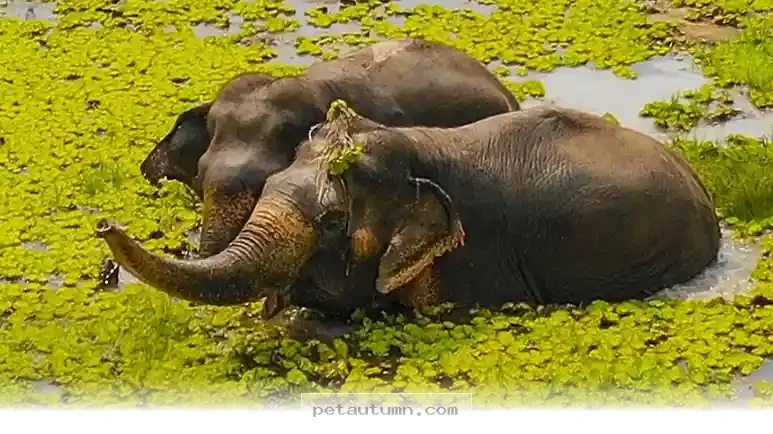
The bond between animals often mirrors the deepest connections we see in human friendships. When two senior elephants named Alicia and Malai were rescued from the harsh conditions of trekking camps, they found solace in each other.
Their story is a powerful testament to empathy and loyalty. Alicia, who is blind, relies entirely on Malai to navigate the world, and Malai has stepped into the role of a dedicated protector without hesitation.
Key Takeaways
- Senior animals often form deep, supportive bonds to navigate new environments.
- Empathy in elephants is well-documented and essential for their social survival.
- Physical disabilities do not stop animals from living full, joyful lives with help.
- Trust and communication are the pillars of this extraordinary inter-species support system.
The Power of Elephant Friendships
You might be surprised to learn that elephants possess a high level of emotional intelligence. They recognize their peers and form complex social structures that prioritize the well-being of the group.
For Alicia and Malai, this connection became their lifeline after leaving the tourism industry behind. Malai serves as the eyes for her friend, guiding her through paths and ensuring she stays safe during their daily walks.
1. Understanding Elephant Empathy
Elephants are known for their ability to comfort one another during times of distress. When a member of the herd is injured or struggling, others often gather around to provide physical and emotional support.
This behavior is not just instinctual but a learned social trait that keeps the herd strong. In sanctuary settings, this empathy allows rescued elephants to form new, chosen families that mirror their natural social dynamics.
2. How They Communicate
While they cannot speak in the way we do, these two friends use a sophisticated system of touch and sound. Malai often stays within physical reach, using her trunk to guide Alicia through unfamiliar terrain.
They communicate through low-frequency rumbles that travel through the ground. This helps them maintain contact even when they are separated by a few feet, ensuring neither feels truly alone.
3. Adapting to Daily Life
Even though Malai personally dislikes being in the water, she wades into the river every single day. She does this simply because she knows Alicia loves to swim.
This small act of sacrifice shows how much she values her friend’s happiness above her own comfort. Watching them navigate the water together is a moving experience that highlights their unwavering commitment.
| Trait | Description |
|---|---|
| Empathy | High capacity for comforting others |
| Social Needs | Thrive in pairs or groups |
| Physical Challenge | Requires patience and consistent guidance |
| Stress Levels | High in isolation, low with companions |
Maintaining these bonds requires a stable environment where animals can move at their own pace. You can learn more about the complexities of animal social structures by visiting Cornell Vet.
Caring for Senior Animals
When animals reach their senior years, they often need more support to manage their environment. Whether it is a dog with fading eyesight or an elephant navigating a sanctuary, the principles of care remain remarkably similar.
Consistency is key to helping them feel secure. By keeping routines predictable, you help reduce anxiety and build confidence in your pet or animal companion.
1. Creating a Safe Space
A clear and consistent layout is vital for any animal with vision loss. Avoid moving furniture or obstacles in their path, as this can lead to unnecessary stress or injury.
You should also use sensory cues to help them navigate. Providing distinct textures on the ground or consistent scents can act as a map for them to follow safely.
2. Providing Gentle Guidance
If you are working with an animal that needs extra help, always approach them calmly. Use verbal cues to announce your presence so they are not startled by your arrival.
Patience is your best tool when teaching or guiding a senior pet. Give them time to process the environment and reward their efforts with positive reinforcement rather than pressure.
3. Monitoring Health and Behavior
Regular checkups are essential for senior animals. Keep an eye out for changes in mobility, appetite, or social interaction, as these can be early indicators of underlying health concerns.
Consulting with professionals like the AVMA can provide you with a framework for age-appropriate care. Being proactive allows you to adjust their environment to keep them comfortable for as long as possible.
The information on petautumn.com is for general informational purposes only and does not constitute veterinary advice. Pet health needs vary by breed, age, and individual condition. Always consult a licensed veterinarian before making decisions about your pet’s health, diet, or medical treatment. Pet Autumn is not affiliated with any veterinary organization, pet food manufacturer, or breeder.
The story of Alicia and Malai serves as a gentle reminder of the power of kindness. We all have the potential to be a guiding light for someone else, regardless of the challenges we face.
As you look at the relationships in your own life, consider how you can support those around you. Whether it is a human friend or a furry companion, a little bit of patience and empathy goes a long way.

Cat care writer at petautumn.com. English Literature graduate (S.S) from Universitas Udayana. Covers cat breeds, behavior, nutrition, grooming, and health. Cat mom to Luna and Lina. Based in Austin, Texas.