Written by Kadek Darma
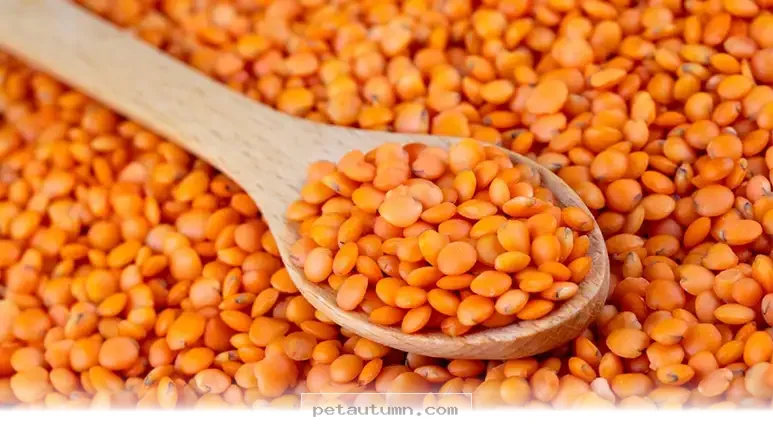
Lentils are small, lens-shaped pulses known for their earthy flavor and impressive history. These tiny legumes have served as a staple food source for centuries, often adding color and texture to soups or hearty stews. While they gained a reputation as a meat substitute in human diets, their role in your pet’s bowl is quite different.
You might be curious if these little powerhouses offer any benefits to your furry companion. The answer is yes, they can be a nutritious addition to your pet’s routine, but only when used correctly. They should always serve as a topper or treat rather than a primary protein replacement for your meat-loving dog or cat.
Key Takeaways
- Lentils are beneficial as an occasional food topper or treat, not as a replacement for animal-based protein.
- They provide essential bioactive compounds, including antioxidant-rich phenolic acids and flavonoids.
- Proper preparation, such as soaking and cooking, is necessary to reduce natural antinutrients.
- Always ensure that the bulk of your pet’s diet comes from high-quality lean meats and healthy fats.
- Keep portions small to avoid digestive upset and maintain a nutritionally balanced diet.
Understanding the Nutritional Value of Lentils
Lentils are packed with bioactive compounds that contribute to overall wellness. According to research, these pulses contain phenolic acids, catechins, and anthocyanidins, which act as potent antioxidants. These compounds help support your pet by managing oxidative stress and promoting better gut health.
The specific nutrient profile varies depending on the variety of lentils you choose. For instance, black lentils are particularly noted for their high gallic acid content. This specific antioxidant has shown promise in studies for its ability to reduce inflammation and support a healthy microbiome in animals.
1. Essential Nutrients in Lentils
Lentils offer more than just antioxidants; they provide several vitamins and minerals that support body function. When prepared properly, they can contribute the following to your pet’s diet:
- Folate: Essential for healthy DNA production and cell division.
- Potassium: Vital for proper nerve function and maintaining healthy muscle contractions.
- Iron: A key component for transporting oxygen through the bloodstream.
- Fiber: Specifically insoluble fiber, which aids in healthy digestion and bowel regularity.
Comparing Protein Sources
While lentils are technically a source of protein, they lack the complete amino acid profile that your pet requires. Meat-based proteins are biologically appropriate because they contain the full spectrum of essential amino acids in the right proportions.
| Feature | Meat Protein | Lentils |
|---|---|---|
| Amino Acid Profile | Complete & Balanced | Incomplete |
| Bioavailability | High | Moderate |
| Preparation Required | Minimal/None | Must be soaked & cooked |
Transitioning between food types requires careful consideration of your pet’s unique dietary needs.
Preparing Lentils for Your Pet
Never feed raw lentils to your pets, as they contain antinutrients that can interfere with nutrient absorption. These natural compounds are common in many legumes but are easily neutralized through proper cooking.
2. Steps for Safe Preparation
Follow these simple steps to ensure your pet gets the most out of this addition:
- Rinse Thoroughly: Start by rinsing the dried lentils under cold, clean water to remove any debris.
- Soak the Pulses: Soak the lentils for several hours or overnight to reduce natural antinutrients.
- Cook Until Soft: Boil the lentils until they are completely soft and mushy, making them easier to digest.
- Cool and Serve: Allow the lentils to cool to room temperature before adding a small amount to your pet’s bowl.
Potential Risks and Precautions
While lentils have many benefits, they are not suitable for every animal. Some pets may experience digestive issues like gas or bloating when introduced to new fiber sources. If your pet has a sensitive stomach, introduce them slowly and in very small quantities.
Monitor your pet closely after their first serving to see how their system responds. If you notice any signs of discomfort or abnormal behavior, stop offering the lentils immediately. Always keep the serving size to a tablespoon or less, depending on your pet’s size and activity level.
The information on petautumn.com is for general informational purposes only and does not constitute veterinary advice. Pet health needs vary by breed, age, and individual condition. Always consult a licensed veterinarian before making decisions about your pet’s health, diet, or medical treatment. Pet Autumn is not affiliated with any veterinary organization, pet food manufacturer, or breeder.
Integrating new foods into your pet’s diet can be a rewarding way to add variety to their daily meals. By focusing on quality and moderation, you can safely share the nutritional benefits of these tiny pulses with your companion.
Always prioritize their primary meat-based diet to ensure they receive the essential nutrients they need to thrive. If you have questions about specific dietary changes, your veterinarian is the best resource for personalized guidance.

Cat care writer at petautumn.com. English Literature graduate (S.S) from Universitas Udayana. Covers cat breeds, behavior, nutrition, grooming, and health. Cat mom to Luna and Lina. Based in Austin, Texas.