Written by Ayu Pratiwi
Seeing a cat struggle to eat is one of the most heartbreaking experiences any pet owner can face. You watch them approach the bowl with excitement, only to turn away in frustration or pain.
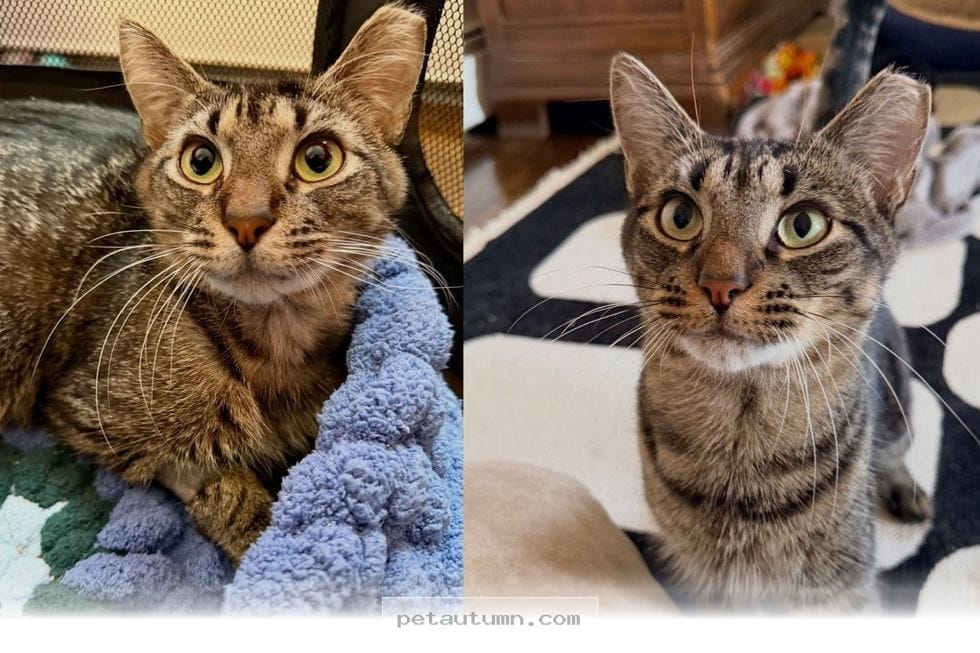
This story of a resilient tabby cat reminds us that with enough patience and medical support, even the most fragile companions can find their rhythm again. It is a testament to the power of dedicated foster care and the will to survive.
Key Takeaways
- Recognizing early signs of feline oral discomfort or appetite loss is vital.
- Consistent veterinary support and specialized nutrition can lead to remarkable recoveries.
- Creating a calm, supportive environment helps cats regain their confidence during healing.
- Patience during the recovery process often yields the most rewarding purrs.
Understanding Feline Appetite Loss
When your cat stops eating, it is not just a finicky phase. It is often a signal that something is physically bothering them, whether it is dental pain or a systemic issue.
You should always observe your cat closely if their behavior shifts suddenly. Identifying the root cause is the first step toward getting them back to their favorite sunny spot for an afternoon nap.
Common Signs Your Cat May Be Struggling
- Dropping food from their mouth while trying to chew.
- Excessive drooling or pawing at the face after meals.
- A sudden preference for wet food over their usual crunchy kibble.
- Hiding or withdrawing from family activities during meal times.
- Visible weight loss or a dull, unkempt coat.
Creating a Healing Environment
Helping a cat recover requires more than just medicine. You need to foster a space where they feel safe enough to prioritize their health and regain their strength.
Keeping things low-stress helps your cat focus on the nourishment they need to thrive.
Steps to Support Your Recovering Cat
- Consult your local veterinarian to rule out underlying infections or dental disease.
- Keep feeding areas quiet and away from high-traffic zones in your home.
- Offer high-quality, easily digestible proteins to encourage their appetite.
- Monitor their weight daily to ensure they are heading in the right direction.
- Provide extra affection and gentle play once they feel strong enough to engage.
Nutritional Support Comparison
Choosing the right type of food can make a significant difference during the recovery phase. Every cat has unique needs, so refer to resources like Cornell Feline Health Center for general guidance on feline nutrition.
| Food Type | Benefit | Status |
|---|---|---|
| Soft Pate | Easy to swallow and hydrate | Recommended |
| Dry Kibble | Hard to chew for sensitive cats | Caution |
| Human Leftovers | Often high in sodium or toxins | Warning |
Managing these small transitions successfully will eventually lead to your cat purring through every afternoon.
Tracking Recovery Milestones
Recovery is rarely a straight line. You will see good days followed by moments where they seem a bit tired, and that is completely normal.
Focusing on the small wins builds momentum for your cat. Tracking their progress helps you see the bigger picture when you feel overwhelmed by the day-to-day care.
Tracking Tips for Owners
- Use a simple journal to note daily intake and mood.
- Celebrate the return of the post-meal grooming session.
- Document weight changes with a digital scale once a week.
- Keep a list of questions to ask your vet at your next visit.
The information on petautumn.com is for general informational purposes only and does not constitute veterinary advice. Pet health needs vary by breed, age, and individual condition. Always consult a licensed veterinarian before making decisions about your pet’s health, diet, or medical treatment. Pet Autumn is not affiliated with any veterinary organization, pet food manufacturer, or breeder.
Watching a cat transition from struggling to eat to purring in comfort is a beautiful journey. It reminds us why we choose to open our homes to these resilient creatures.
Your love and persistence are the best tools you have in your kit. Keep providing that safe space, and your cat will surely reward you with many more peaceful, purring afternoons.

Cat care writer at petautumn.com. English Literature graduate (S.S) from Universitas Udayana. Covers cat breeds, behavior, nutrition, grooming, and health. Cat mom to Luna and Lina. Based in Austin, Texas.