Written by Ayu Pratiwi
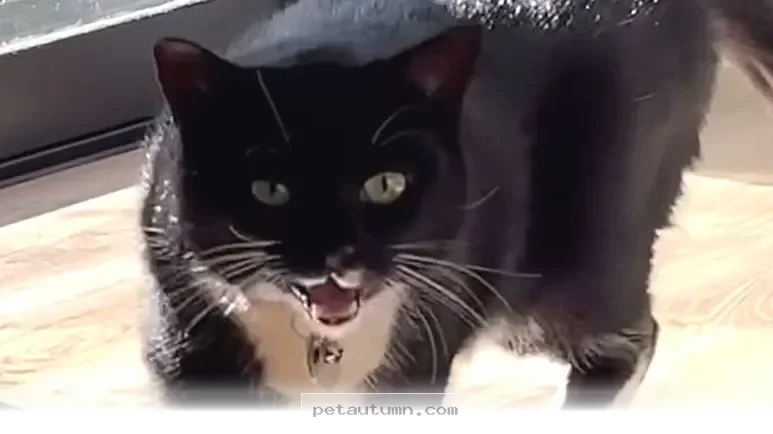
Have you ever met a cat that sounds more like a squeaky toy than a feline? It can be quite a surprise when your pet opens her mouth to meow, and instead of a traditional sound, you hear a high-pitched chirp or a tiny squeak.
Poppy, a charming rescue cat, famously captured hearts with exactly this kind of vocalization. While her family was initially concerned about her unusual sound, they quickly realized it was just one of the many unique traits that made her special.
Key Takeaways
- Cat vocalizations vary significantly based on breed, personality, and individual comfort levels.
- A sudden change in a cat’s voice often warrants a gentle checkup with your veterinarian.
- Most "squeaky" meows are simply normal, harmless quirks of a cat’s unique personality.
- Understanding your cat’s communication style helps you build a stronger, more trusting bond.
Understanding Your Cat’s Unique Voice
Cats are incredibly expressive creatures that use a wide array of sounds to communicate their needs and feelings to their human companions. While we often think of the standard "meow," the reality is that every cat has a distinct vocal signature.
Some cats are naturally quiet and rarely vocalize, while others are chatterboxes that narrate their entire day. If your cat has a high-pitched, squeaky, or even breathy meow, it is usually just a variation of their normal behavior.
Why Cats Make Different Sounds
Just like humans have different speaking voices, cats possess different vocal cords and physical structures that influence their pitch. A smaller cat or a specific breed might naturally produce higher-frequency sounds that sound like chirps or squeaks.
Learning the context of these sounds is the best way to interpret your pet’s needs. If she greets you at the door with a little squeak, she is likely just happy to see you.
1. Common Vocalization Styles
- The Chirp: Often used when a cat is excited or trying to get your attention.
- The Squeak: A very high-pitched, short sound that can indicate curiosity or a friendly greeting.
- The Trill: A rolling, bird-like sound that cats often use when they are feeling playful.
- The Yowl: A louder, more drawn-out sound that may indicate distress, boredom, or a need for social interaction.
2. When to Consult a Vet
While a unique meow is often just a personality trait, you should always pay attention to sudden shifts. If your cat has always been loud and suddenly goes silent, or if a previously quiet cat begins to vocalize excessively, something might be off.
| Observation | What It Might Mean | Action Required |
|---|---|---|
| New, raspy meow | Potential throat irritation | Schedule a vet check |
| Sudden excessive vocalizing | Possible discomfort or stress | Consult a professional |
| Happy, consistent chirping | Normal, friendly behavior | Enjoy the interaction |
| Silent, open-mouth meowing | Common in some cats | Monitor for other symptoms |
Tips for Communicating with Your Cat
Building a language with your cat is one of the most rewarding parts of pet ownership. By observing when and why she makes her squeaky sounds, you can learn to understand her better.
1. Observe the Context
Pay close attention to what is happening when your cat makes her unique sound. Is she hungry, looking for a toy, or simply asking for a head scratch? Understanding the "why" helps you provide better care and keeps your pet feeling understood and secure.
2. Provide Enrichment
Sometimes, cats vocalize because they are bored or seeking mental stimulation. Providing interactive cat toys and engaging in daily play sessions can help reduce unnecessary noise. A tired cat is often a quiet, happy cat.
3. Maintain Regular Health Checks
According to the Cornell Feline Health Center, routine wellness exams are essential for catching underlying issues early. If your cat’s squeak is accompanied by changes in appetite, energy, or litter box habits, a trip to the clinic is definitely in order.
The information on petautumn.com is for general informational purposes only and does not constitute veterinary advice. Pet health needs vary by breed, age, and individual condition. Always consult a licensed veterinarian before making decisions about your pet’s health, diet, or medical treatment. Pet Autumn is not affiliated with any veterinary organization, pet food manufacturer, or breeder.
Embracing the quirks of your feline friend is part of the joy of sharing your home with a cat. Whether she squeaks, chirps, or trills, these sounds are her personal way of saying she loves you.
Take the time to listen closely to what she is trying to tell you each day. You might find that those little squeaks are actually the sweetest conversations you will ever have.

Dog care writer at petautumn.com. Visual Communication Design graduate (S.Ds) from Universitas Udayana. Covers dog breeds, behavior, training, and gear reviews. Dog dad to Meepo. Based in Austin, Texas.