Written by Kadek Darma
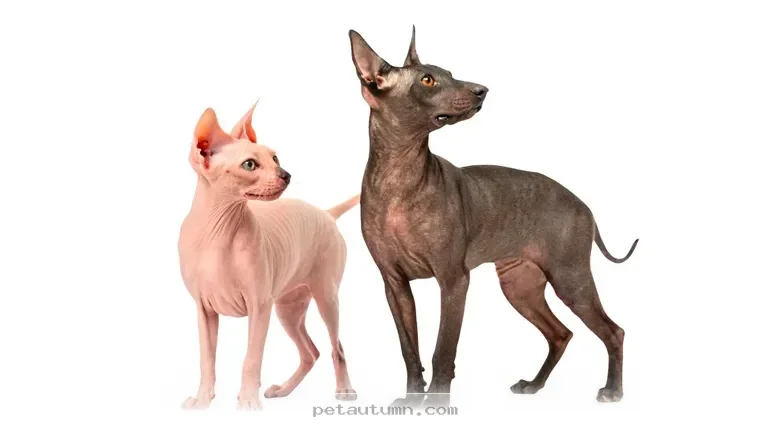
You might struggle to picture your loyal companion without a soft, furry coat to pet. For many animal lovers, however, a hairless dog or cat offers a unique and striking aesthetic that is simply irresistible.
While these pets certainly turn heads at the park, their personality traits often leave a much deeper impression on their owners. Understanding why these breeds exist and how to maintain their specialized health needs is essential before bringing one home.
Key Takeaways
- Hairlessness is a genetic trait that was purposefully preserved and propagated through selective breeding.
- These pets require frequent bathing or wiping to manage natural skin oils that aren’t absorbed by fur.
- They are highly sensitive to extreme temperatures and require protection from direct sunlight and cold weather.
- No pet is truly 100% hypoallergenic, as common allergens are present in saliva and dander rather than just fur.
The Truth About Hairless Genetics
Hairlessness in our canine and feline friends is not a natural occurrence in the wild. It is a genetic anomaly that humans have carefully curated and perpetuated over many generations of selective breeding.
People are often drawn to these breeds under the assumption that they are entirely hypoallergenic or easier to manage. While they do not shed in the traditional sense, they require a level of maintenance that is significantly different from your average long-haired pet.
Managing Skin Care and Health
Because these animals lack the protective barrier of fur, their skin is exposed to the elements and produces oils that would otherwise be distributed along a coat. You will need to establish a consistent grooming routine to keep their skin healthy and free of irritation.
Without regular care, your pet may develop clogged pores or skin infections. Follow these tips to keep your companion comfortable and clean:
- Bathe weekly: Use a gentle, organic, coconut-oil-based shampoo to wash away excess oils without stripping the skin of necessary moisture.
- Hydrate the skin: If you notice dryness after a bath, apply a small amount of pure coconut oil to keep their skin supple.
- Protect from sun: Use animal-safe sunscreen when your dog spends time outdoors to prevent painful burns on their exposed skin.
- Dress for the weather: Invest in sweaters or coats for cold climates, as these pets lack the natural insulation required to regulate their body temperature.
| Aspect | Furry Pet | Hairless Pet |
|---|---|---|
| Grooming | Brushing required | Weekly bathing required |
| Temperature | Natural insulation | Needs clothing/sun protection |
| Skin Health | Protected by coat | Prone to acne and dryness |
| Allergens | Trapped in fur | Spread via saliva/dander |
The Hypoallergenic Myth
Many people adopt hairless breeds hoping to avoid allergic reactions, but the reality is more complex. Major allergens like the Fel d 1 protein in cats and Can f 1 in dogs are found in saliva, dander, and skin cells.
Because these proteins are microscopic, they can linger in the air regardless of whether your pet has hair. While the lack of shedding means fewer fur-bound allergens floating around your home, you may still experience symptoms if you have a significant sensitivity to animal proteins.
Popular Hairless Breeds
Each breed carries its own personality and specific health considerations that you should research thoroughly. Whether you are looking for a playful cat or a devoted dog, these breeds offer distinct companionship.
- Chinese Crested: These dogs are highly intelligent and agile. They may be hairless or coated, and they require monitoring for potential eye issues and dental health.
- Sphynx: Known for their wrinkled skin and large ears, these cats are incredibly affectionate. They are social butterflies that thrive on human interaction and playfulness.
- Xoloitzcuintli: An ancient breed that is loyal and calm. They are generally robust but require careful protection from the sun due to their exposed skin.
- Peruvian Inca Orchid: A sighthound breed that is both graceful and alert. They are deeply devoted to their families but can be shy with strangers.
- Peterbald: These cats are curious and active. They often possess a very elegant appearance and are known for being highly intelligent, requiring plenty of mental stimulation.
The information on petautumn.com is for general informational purposes only and does not constitute veterinary advice. Pet health needs vary by breed, age, and individual condition. Always consult a licensed veterinarian before making decisions about your pet’s health, diet, or medical treatment. Pet Autumn is not affiliated with any veterinary organization, pet food manufacturer, or breeder.
Choosing a hairless pet is a rewarding experience if you are prepared for the specialized care they require. Their unique look is just the beginning of the bond you will share.
By providing consistent skin care and a safe environment, you ensure your companion stays healthy and happy for years to come. Always consult with your veterinarian to discuss the specific needs of these breeds before making a commitment.

Dog care writer at petautumn.com. Visual Communication Design graduate (S.Ds) from Universitas Udayana. Covers dog breeds, behavior, training, and gear reviews. Dog dad to Meepo. Based in Austin, Texas.