Written by Kadek Darma
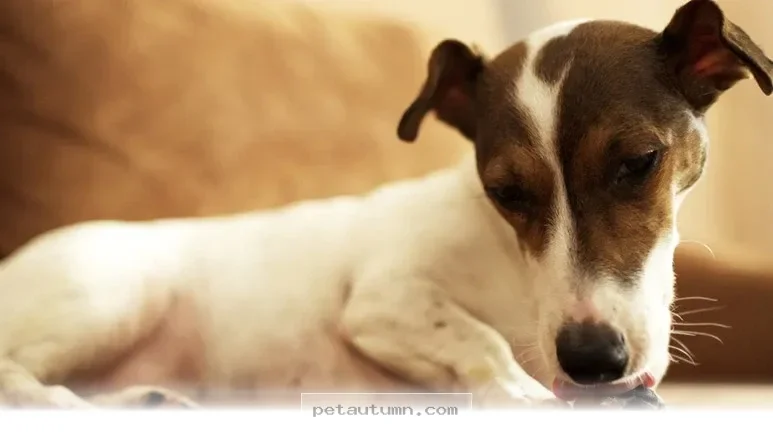
It usually starts as a quiet, little slurping sound in the background. You look over and see your dog hunched over one paw, chewing away as if they are trying to shine a shoe.
You call their name, and they stop for a second, but as soon as you look away, they start again. If you have noticed your dog licking or biting at their paws, there is a very good chance something is going on between those toes that they cannot tell you about.
Key Takeaways
- Warm, moist spaces between toes create a perfect environment for yeast and bacteria to multiply.
- Chronic licking is often a symptom of underlying allergies that disrupt the natural skin barrier.
- A proper paw soak routine can provide immediate relief, but it must be followed by thorough drying.
- Managing paw health requires a combination of topical care and addressing the internal root cause.
- Always consult your veterinarian to rule out foreign objects, injury, or severe infection before starting home treatments.
Why Paws Are a Perfect Storm
The spaces between a dog’s toes are warm, dark, and poorly ventilated. They constantly pick up moisture from grass, sidewalks, puddles, and floors your dog has just wandered across.
That microenvironment acts like a petri dish for microbes. Two organisms in particular love these conditions: the Malassezia pachydermatis yeast and the Staphylococcus pseudintermedius bacteria.
1. Recognizing the Symptoms
Early recognition means earlier intervention for your furry friend. Learning the subtle hints early on buys you time to address the discomfort before it escalates into a larger issue.
- Obsessive licking, chewing, or biting at the paws
- A distinctive musty or yeasty smell coming from the feet
- Reddish-brown saliva staining on light-colored fur between the toes
- Redness, swelling, or puffiness in the interdigital spaces
- Greasy, waxy, or crusty debris around the nail beds
- Frequent ear issues, which often occur alongside paw problems
2. The Role of Underlying Allergies
Most integrative veterinarians believe paw infections are almost always symptoms of something else, such as environmental or food sensitivities. When your dog encounters an allergen, the immune system fires off an inflammatory response that alters the skin’s protective barrier.
Licking only makes the situation worse. Saliva deposits moisture and digestive enzymes on the skin, which further damages the tissue and creates the perfect environment for microbes to thrive.
| Condition | Common Cause | Management |
|---|---|---|
| Seasonal Allergies | Pollen, grass, mold | Frequent paw rinses |
| Food Sensitivity | Protein source reaction | Dietary evaluation |
| Bacterial Overgrowth | Chronic moisture | Vet-prescribed topicals |
While addressing the surface infection is vital, true resolution comes from identifying what drives the inflammation in the first place. You can learn more about general canine skin health at the American Kennel Club.
3. How to Perform a Safe Paw Soak
If your vet agrees that a topical soak is appropriate, you can organize a simple routine at home. Consistency is your best friend when trying to restore balance to your dog’s paws.
- Prepare a shallow basin with warm water and your chosen gentle cleanser.
- Gently submerge each paw for 30 to 60 seconds.
- Do not rinse the solution off if it is meant to stay on the skin.
- Pat the paws dry with a clean, soft towel.
- Use a cool-setting blow dryer to ensure every bit of moisture is removed from between the toes.
4. Essential Supplies for Paw Care
Having the right items on hand makes the process much less stressful for both you and your dog. Keep these supplies in an easy-to-reach spot:
- A dedicated, non-slip basin or plastic tub
- Soft, microfiber towels for thorough drying
- A mild, vet-approved antiseptic solution
- Organic apple cider vinegar (diluted as directed by your professional)
- A quiet hair dryer with a cool-air setting
Remember that moisture is the enemy of healing. If you leave the spaces between the toes damp, you are simply providing more fuel for the yeast and bacteria you are trying to eliminate.
The information on petautumn.com is for general informational purposes only and does not constitute veterinary advice. Pet health needs vary by breed, age, and individual condition. Always consult a licensed veterinarian before making decisions about your pet’s health, diet, or medical treatment. Pet Autumn is not affiliated with any veterinary organization, pet food manufacturer, or breeder.
Getting to the bottom of your dog’s paw licking might take some patience and a bit of detective work. By keeping a close eye on their behavior and maintaining a consistent cleaning routine, you can help your companion walk comfortably again.
Always keep your veterinarian in the loop regarding your progress. They can help you identify if you are dealing with a simple case of damp feet or a deeper systemic issue that requires more specialized care.

Dog care writer at petautumn.com. Visual Communication Design graduate (S.Ds) from Universitas Udayana. Covers dog breeds, behavior, training, and gear reviews. Dog dad to Meepo. Based in Austin, Texas.