Written by Kadek Darma
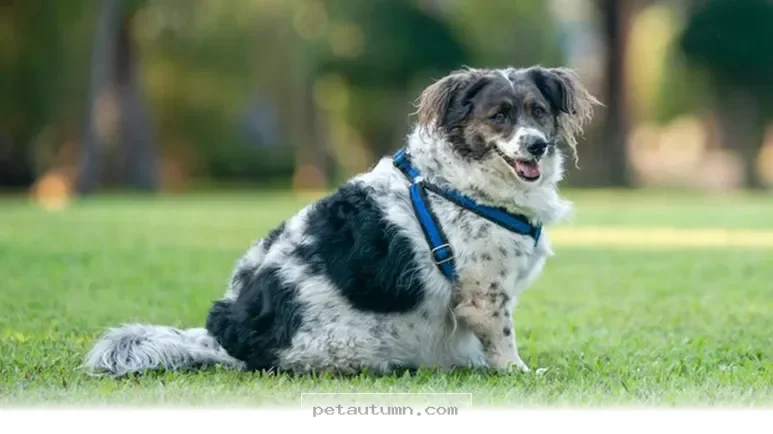
Many of us look at our dogs every day and fail to notice the creeping changes in their silhouettes. We might think they look cuddly or healthy, but we are often completely blind to the silent, invisible threat of excess body weight.
This isn’t just about a few extra pounds or a slightly rounder belly. It is an accelerated aging process that strips years off your dog’s life and causes immediate, systemic harm to their internal organs.
Key Takeaways
- Excess weight is a major health risk that often goes unnoticed by loving owners.
- A healthy dog should have a visible waist and ribs that are easily palpable.
- Avoid "filler" diets that rely on excessive fiber or low-quality ingredients like wood pulp.
- Nutritional success happens at the cellular level, not through mechanical "fullness."
- Consistent, aerobic exercise is just as vital as a species-appropriate diet.
The Hidden Reality of Canine Obesity
It is easy to let the "new normal" cloud our judgment when almost every dog at the park seems to be carrying extra weight. If you find yourself thinking your dog looks "fine" compared to the others, you might be falling into a dangerous trap.
You have the power to change this narrative by learning how to properly assess your pet’s physical condition. The following indicators are essential tools for every responsible pet parent to master.
1. The Visual Waist Test
Stand directly over your dog and look down at their back and torso. A healthy dog should exhibit a clear, tapered-in waist behind the rib cage. If your dog looks like an oval or a straight line from their shoulders to their hips, they are likely carrying too much weight.
2. The Rib Palpation Test
Gently run your hands along your dog’s sides to feel for their ribs. You should be able to feel the ribs easily under a thin layer of muscle and skin without having to press down hard. If you have to dig your fingers in to find those bones, it is a strong signal that your dog needs a health intervention.
| Indicator | Healthy Weight | Caution Needed |
|---|---|---|
| Waistline | Clearly visible from above | Absent or rounded |
| Ribs | Easily felt | Hidden under fat |
| Abdomen | Tucked up | Saggy or distended |
Why "High-Fiber" Isn’t the Answer
Many commercial weight-loss diets rely on massive amounts of fiber to make your dog feel full. While this might stop them from begging at the dinner table, it does very little to provide actual nourishment.
When a food is packed with cellulose or other fillers, it essentially acts as a mechanical barrier in the gut. Instead of absorbing vital nutrients, your dog is merely processing sawdust that provides no cellular value.
Steps to Support Your Dog’s Vitality
- Consult your veterinarian to establish a baseline health assessment and goal weight.
- Review your dog’s current ingredient label for excessive fillers or cellulose.
- Transition toward a biologically appropriate diet rich in high-quality proteins.
- Incorporate daily, low-impact aerobic exercise like steady walks or swimming.
- Monitor your dog’s body condition score weekly to ensure progress remains steady.
Because your dog cannot choose their own meals, they rely entirely on your knowledge to keep them lean and active. Making these small adjustments now can prevent the long-term, painful consequences of obesity.
The information on petautumn.com is for general informational purposes only and does not constitute veterinary advice. Pet health needs vary by breed, age, and individual condition. Always consult a licensed veterinarian before making decisions about your pet’s health, diet, or medical treatment. Pet Autumn is not affiliated with any veterinary organization, pet food manufacturer, or breeder.
Getting your dog back to their ideal weight is one of the most loving things you can do. It grants them more energy, less joint pain, and a much better chance at a long, happy life by your side.
Start by observing their body condition today and talking with your vet about a customized plan. Your dog’s future health depends on the decisions you make in your kitchen and during your daily walks.

Cat care writer at petautumn.com. English Literature graduate (S.S) from Universitas Udayana. Covers cat breeds, behavior, nutrition, grooming, and health. Cat mom to Luna and Lina. Based in Austin, Texas.