Written by Kadek Darma
You take your dog on a long summer hike. You come home, check them over, brush them out, and move on with your life. Weeks pass, and everything seems perfectly fine.
Then, months later, in the middle of an ordinary afternoon, your dog starts limping. It shifts from one leg to another, their appetite dips, and they seem tired in a way that just does not match the day.
Key Takeaways
- Lyme disease is caused by the Borrelia burgdorferi bacterium, which is transmitted through the bite of an infected blacklegged (deer) tick.
- While only a small percentage of infected dogs develop visible illness, the potential for serious complications makes prevention essential.
- Because ticks generally require 24 to 48 hours of attachment to transmit the bacteria, daily grooming and prompt removal are your best defenses.
- Symptoms often emerge two to five months after the initial bite, making it easy to overlook the connection to past outdoor adventures.
- Maintaining a tick-unfriendly yard and sticking to cleared trails significantly lowers the risk of your dog encountering these tiny hitchhikers.
Understanding the Lyme Timeline
The connection is easy to miss because so much time has passed since your last outdoor excursion. However, somewhere in the background of that summer hike, a tiny hitchhiker may have quietly climbed aboard.
Lyme disease is one of the few illnesses your dog can pick up in a moment and not show signs of for months. Knowing what to look for and how to prevent it is one of the most important pieces of outdoor-dog knowledge you can carry.
1. What Lyme Disease Actually Is
Lyme disease is caused by a bacterium called Borrelia burgdorferi. It is transmitted through the bite of an infected blacklegged tick, which is commonly known as a deer tick Source: American Kennel Club.
Dogs, cats, and humans can all become infected, though little is known about whether cats actually become ill from it. Only about 5% to 10% of infected dogs go on to develop clinical signs of illness, while the rest carry antibodies without ever showing symptoms.
2. Identifying the Tick
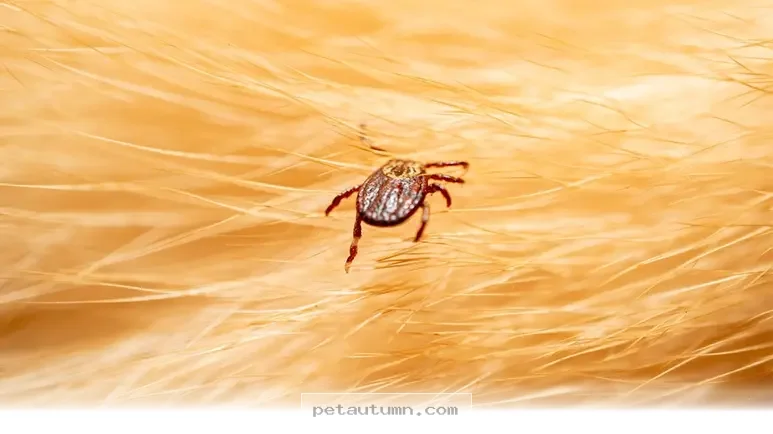
Blacklegged ticks are quite small, with adult ticks measuring about the size of a sesame seed. Nymphs, which are the immature stage most likely to bite during the spring and summer, are more like a poppy seed.
Both stages are very easy to miss in a thick coat. They pick up the bacteria as immature ticks while feeding on wildlife like rodents and carry it through their life stages.
| Risk Factor | Description |
|---|---|
| Low Risk | Tick attached for less than 24 hours. |
| Moderate Risk | Tick attached for 24 to 48 hours. |
| High Risk | Tick attached for longer than 48 hours. |
3. Recognizing Common Symptoms
The delayed-onset nature of this disease is what makes it especially tricky for pet owners to diagnose. In dogs that do become ill, signs typically do not appear until two to five months after the bite.
- Intermittent lameness that shifts from leg to leg
- Unexpected fever
- General lethargy or decreased activity
- Loss of appetite
- Painful, swollen joints
- Swollen lymph nodes
The shifting-leg lameness is often the most distinctive tell. One day it is the right front leg, and a day or two later, it might be the left hind.
Preventing the Bite
Because tick range is expanding, it is vital to remain vigilant even if you do not live in a historical hot zone. Warmer winters have allowed these parasites to remain active for more of the year, meaning they are looking for a meal whenever the temperature rises above freezing.
1. Essential Tick Prevention Tips
You can take several proactive steps to protect your dog throughout the changing seasons. Always prioritize consistent, year-round protection as recommended by your veterinarian.
- Use prescription tick preventatives consistently.
- Perform daily full-body tick checks after every outing.
- Keep your lawn mowed and remove leaf litter.
- Stick to cleared, wide trails during forest hikes.
- Use fine-tipped tweezers for immediate, proper tick removal.
2. Managing Your Surroundings
Creating a barrier between your dog and tick-heavy environments goes a long way. If you have a yard, consider creating a gravel or woodchip border between wooded areas and your lawn.
This helps prevent ticks from migrating into your dog’s play area. Additionally, always brush your dog thoroughly after they have been outside to dislodge any hitchhikers before they can attach.
The information on petautumn.com is for general informational purposes only and does not constitute veterinary advice. Pet health needs vary by breed, age, and individual condition. Always consult a licensed veterinarian before making decisions about your pet’s health, diet, or medical treatment. Pet Autumn is not affiliated with any veterinary organization, pet food manufacturer, or breeder.
If you ever find a tick on your dog, do not panic. Use fine-tipped tweezers to grasp the tick as close to the skin as possible and pull upward with steady pressure.
Monitor the bite site over the coming weeks for any signs of irritation or infection. While not every tick bite results in disease, keeping a close eye on your dog’s behavior and mobility is the best way to ensure they stay happy and healthy throughout the year.

Dog care writer at petautumn.com. Visual Communication Design graduate (S.Ds) from Universitas Udayana. Covers dog breeds, behavior, training, and gear reviews. Dog dad to Meepo. Based in Austin, Texas.