By Kadek Darma
Have you ever looked into your dog’s eyes and felt like they truly understood the weight of your day? Some pups possess a soulful, intuitive nature that makes them seem far more human than canine.
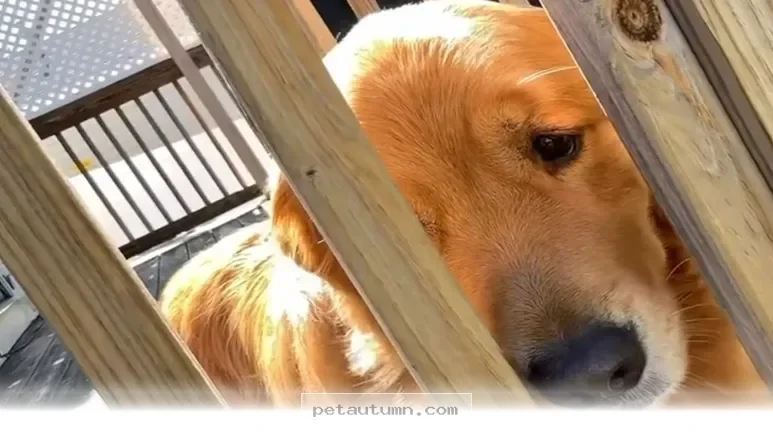
Wally is one of those special dogs who wears every emotion on his face for the whole world to see. From the quiet sadness of missing his favorite human to genuine concern for a stranger passing by, his family has learned to embrace his incredibly sensitive heart.
Key Takeaways
- Sensitive dogs often show deep empathy toward their owners during stressful times.
- Recognizing emotional cues in your pet helps you provide the right comfort.
- High sensitivity can lead to anxiety, requiring a calm and predictable home environment.
- Building trust is the most effective way to help a nervous dog feel secure.
Understanding Your Sensitive Dog
Dogs are masters of reading human body language, but some individuals take this ability to a higher level. A sensitive dog might react to the smallest changes in your tone, a shift in your schedule, or even the energy you bring through the front door after work.
While this trait can make life feel intense, it is also a beautiful testament to the bond you share. Learning to navigate these emotional waters requires patience, observation, and a gentle touch.
1. Recognizing the Signs of Sensitivity
You might notice your dog retreating when the environment becomes too loud or chaotic. They may also follow you from room to room, seeking constant reassurance that everything is okay.
- Excessive panting or pacing when guests arrive.
- Seeking extra physical contact during storms or loud noises.
- Showing visible concern when you are upset or crying.
- Hesitation when encountering new objects or unfamiliar paths.
2. Creating a Safe Haven
When your pup feels overwhelmed, they need a place to retreat where the world feels small and manageable. A dedicated crate or a cozy corner with their favorite blanket can become a sanctuary.
Make sure this area is away from heavy foot traffic in your house. Keep the environment quiet and provide soft toys that offer comfort rather than overstimulation.
Managing Emotional Needs
Living with a sensitive soul is a rewarding journey, but it does come with a specific set of challenges. You must balance their need for security with the necessity of building their confidence.
| Strategy | Benefit |
|---|---|
| Consistent Routine | Reduces anxiety through predictability. |
| Positive Reinforcement | Builds trust and confidence. |
| Early Socialization | Helps manage fear of new experiences. |
| Avoiding Punishment | Prevents long-term fear responses. |
3. Tips for Building Confidence
Helping your dog feel brave is all about small, incremental steps that prevent them from feeling overwhelmed. Never force them into situations that cause visible distress, as this can break the trust you have worked so hard to cultivate.
- Keep training sessions short, fun, and highly rewarding.
- Use calm, steady praise when your dog faces a minor fear.
- Introduce new sounds or sights at a distance they find comfortable.
- Focus on activities that highlight their natural strengths and interests.
4. Supporting Your Dog Through Transitions
Moving houses or welcoming a new family member can be incredibly stressful for a sensitive dog. To help them adjust, maintain their feeding and walking schedule as strictly as possible.
Bring along familiar items that smell like home, such as a well-loved bed or a specific toy. These objects act as anchors, providing a sense of safety when everything else feels different and uncertain.
Building a Stronger Bond
Your sensitivity as an owner is the perfect match for a sensitive dog. When you respond to their needs with empathy, you create a feedback loop of trust that makes your relationship unbreakable.
According to resources like the American Kennel Club, understanding your dog’s specific temperament is the foundation of effective training and behavioral support. Focus on being the calm center of their world, and you will find that their sensitivity becomes a source of profound connection rather than a burden.
The information on petautumn.com is for general informational purposes only and does not constitute veterinary advice. Pet health needs vary by breed, age, and individual condition. Always consult a licensed veterinarian before making decisions about your pet’s health, diet, or medical treatment. Pet Autumn is not affiliated with any veterinary organization, pet food manufacturer, or breeder.
Embrace the quiet moments with your companion, whether they are leaning against your leg or watching you with soulful, observant eyes. Their unique way of experiencing the world is a gift that asks only for your patience and your love in return.
By paying attention to the subtle cues they provide, you become a better advocate for their happiness. Cherish the deep bond you have, as it truly is a rare and wonderful thing to be so deeply connected to another living being.

Dog care writer at petautumn.com. Visual Communication Design graduate (S.Ds) from Universitas Udayana. Covers dog breeds, behavior, training, and gear reviews. Dog dad to Meepo. Based in Austin, Texas.