By Kadek Darma
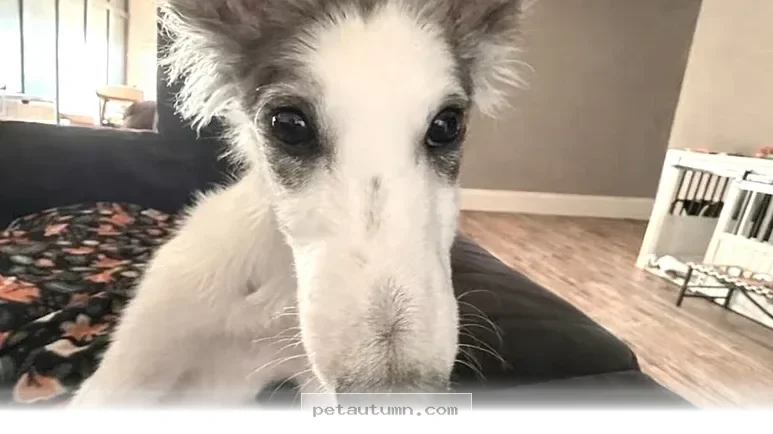
Watching a dog navigate the world without sight is a humbling reminder of how resilient our canine companions truly are. Many people assume a blind dog’s life is limited, but stories like Ino’s prove that they are just as capable of joy, adventure, and companionship as any other pup.
When Ino was passed between multiple homes, his previous owners simply didn’t understand the adjustments he needed to thrive. Once he finally landed with a veterinary assistant who recognized his potential, his entire world transformed into a vibrant life of hiking and traveling.
Key Takeaways
- Blind dogs rely heavily on their sense of smell and hearing to map their environment.
- Consistent routines help anxious pets feel more secure and confident in their surroundings.
- Environmental enrichment is vital for mental stimulation, regardless of a dog’s vision level.
- Many blind dogs live full, active lives without needing significant changes to their daily schedule.
- Understanding canine body language and sensory cues is essential for effective communication with a visually impaired pet.
Understanding Sensory Challenges in Dogs
Dogs don’t process the world through their eyes the way we do, as they rely much more on their incredible sense of smell. For a dog that loses its vision, the nose becomes an even more powerful tool for navigating the living room or the local park.
You might notice your dog sniffing the air more frequently or using their whiskers to sense nearby objects. If you suspect your pet is having vision trouble, check with your veterinarian to rule out underlying medical issues as suggested by PetMD.
Common Signs of Vision Loss
- Bumping into furniture or walls that are usually in familiar spots.
- Hesitation or anxiety when walking into dimly lit rooms.
- Difficulty tracking moving objects like toys or treats thrown on the floor.
- Dilated pupils or a cloudy appearance in one or both eyes.
- Increased vocalization or startle reflex when touched unexpectedly.
Helping Your Dog Adjust at Home
Adjusting your home for a blind dog is simpler than you might imagine, and it mostly involves keeping things predictable. You do not need to renovate your entire house to accommodate a dog that is losing its sight.
Small, thoughtful changes go a long way in helping your furry friend maintain their independence and confidence. Use these steps to ensure your living space remains a safe, happy haven for your companion.
1. Maintain a Consistent Layout
Keep your furniture exactly where it belongs to avoid confusing your pet. Avoid moving chairs or tables, as your dog has likely memorized the floor plan.
2. Use Scent Markers
Place different scents near specific areas to act as navigation landmarks for your dog. A drop of safe, pet-friendly essential oil on a door frame can help them identify which room they are entering.
3. Create Audio Cues
Use verbal commands or specific sounds to guide your dog through the house. Consistent cues help them understand where you are and where they should be heading during mealtime.
4. Secure Dangerous Areas
Use baby gates to block off stairs or areas with sharp drops that could pose a risk. If your dog is prone to wandering, these barriers act as essential safety nets for their protection.
| Strategy | Benefit |
|---|---|
| Consistent Routing | Reduces anxiety and builds spatial memory |
| Surface Changes | Use rugs to signal transitions between rooms |
| Caution with Stairs | Always monitor until they master the path |
Keeping Your Dog Active and Engaged
Blind dogs love to play and explore just as much as sighted dogs do. You should continue taking your dog on walks, though you might need to use a shorter leash for better communication.
Choose quiet, familiar routes during your daily walks to help your dog feel more secure. Over time, your dog will map these paths using their nose, making the experience just as rewarding as it was before.
Essential Supplies for Blind Dogs
- A sturdy harness to provide better physical guidance during walks.
- Scented toys that make noise to help your dog track them during playtime.
- A "blind dog" vest or bandana to alert other people in public spaces.
- Non-slip mats for hardwood floors to provide extra traction and stability.
- Interactive puzzle toys that reward your dog’s sense of smell.
The Importance of Routine and Consistency
Establishing a solid daily routine is the single most effective way to help your pet feel safe. If your dog knows when to expect meals, walks, and rest, they will spend less time worrying about their environment.
Positive reinforcement is key when teaching your dog new ways to navigate. Celebrate their successes with small treats and plenty of praise to keep their spirits high and their confidence growing.
The information on petautumn.com is for general informational purposes only and does not constitute veterinary advice. Pet health needs vary by breed, age, and individual condition. Always consult a licensed veterinarian before making decisions about your pet’s health, diet, or medical treatment. Pet Autumn is not affiliated with any veterinary organization, pet food manufacturer, or breeder.
Every dog has a unique way of overcoming obstacles, and seeing them adapt is a beautiful part of the human-animal bond. With your support and patience, your blind dog can continue to lead a rich, full life filled with love and play.
Never underestimate the power of your companionship, as your presence is the most important map your dog will ever have. Continue providing them with love, safety, and a predictable environment to ensure they stay happy for years to come.

Cat care writer at petautumn.com. English Literature graduate (S.S) from Universitas Udayana. Covers cat breeds, behavior, nutrition, grooming, and health. Cat mom to Luna and Lina. Based in Austin, Texas.