Written by Kadek Darma
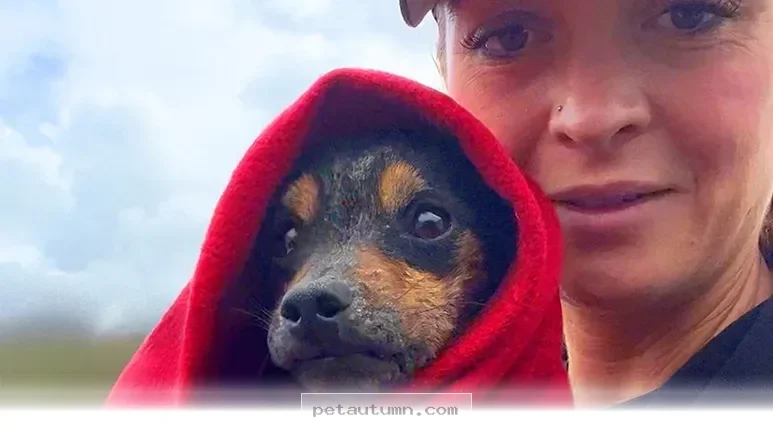
Finding a vulnerable puppy abandoned in a box is a heartbreaking experience that highlights the resilience of animals. When rescuers discovered a tiny puppy shivering in a cardboard carton, it was clear that he had endured a frightening ordeal.
This little soul needed more than just food and water to recover from his lonely start. He required a safe environment, patience, and the gentle touch of someone who understood his need for comfort and security.
Key Takeaways
- Rescued puppies often require a gradual period of socialization to build confidence.
- Establishing a routine helps stabilize a dog who has experienced trauma or abandonment.
- Veterinary checkups are vital to address any underlying health issues from neglect.
- Patience is your most important tool when helping a fearful rescue pup settle in.
Understanding the Needs of a Rescued Puppy
When you bring home a puppy that has faced early life hardship, your primary goal is creating a sense of safety. These dogs are often uncertain about their surroundings, so a predictable schedule is the best way to help them feel at ease.
Helping a frightened dog transition into a family requires empathy and a slow pace. You might find that your new companion spends a lot of time hiding or prefers to stay in quiet corners while he learns to trust you.
1. Creating a Secure Den
Your puppy needs a dedicated space that belongs entirely to him. A crate or a quiet corner with a soft bed can provide the security he lacked while living in a box.
2. Establishing a Consistent Routine
Dogs thrive on predictability because it removes the stress of the unknown. Try to feed, walk, and play with your puppy at the same times every single day to build his confidence.
3. Monitoring Health and Behavior
Neglected animals often have specific health concerns that require professional attention. Keep a close watch on how your puppy behaves and look for any physical signs that might indicate he is not feeling his best.
- Lethargy or unusual fatigue
- Loss of appetite
- Persistent hiding or trembling
- Signs of skin irritation or parasites
Essential Supplies for Your New Arrival
Welcoming a rescue puppy means stocking up on items that promote comfort and hygiene. Having these supplies ready before he arrives will help you focus on bonding rather than running errands.
| Supply Category | Recommended Items | Notes |
|---|---|---|
| Comfort | Orthopedic bed, crate, soft blanket | Use for creating a safe, den-like space. |
| Nutrition | High-quality puppy food, stainless steel bowls | Consult your vet for age-appropriate nutrition. |
| Training | Soft treats, clicker, durable leash | Keep sessions short to avoid overwhelming him. |
| Hygiene | Gentle shampoo, grooming brush, waste bags | Regular grooming helps build trust through touch. |
Transitioning a rescue dog into a happy life takes time, but the reward is seeing his personality shine. Providing a stable environment is the most loving gift you can offer a pup who started his life in a cold, lonely box.
Building Trust Through Positive Reinforcement
Building a bond with a timid puppy does not happen overnight. You must celebrate the small wins, like when he finally decides to approach you for a gentle pet or shows interest in a toy.
Positive reinforcement is the most effective way to encourage desirable behavior. Whenever your puppy shows bravery, offer him a small treat or calm praise to let him know he is doing a great job.
Steps to Build a Lasting Bond
- Keep it quiet: Minimize loud noises and chaotic activity in your home for the first few weeks.
- Let him come to you: Avoid forcing physical contact, as this can make a fearful dog feel trapped or anxious.
- Use calm body language: Avoid looming over him or making sudden movements, which can be interpreted as threatening.
- Offer consistent rewards: Use high-value treats to associate your presence with positive experiences.
For more information on general pet wellness and behavior, you can visit resources from the ASPCA or the American Kennel Club. Taking these small, deliberate steps will eventually transform your puppy into a confident and happy family member.
The information on petautumn.com is for general informational purposes only and does not constitute veterinary advice. Pet health needs vary by breed, age, and individual condition. Always consult a licensed veterinarian before making decisions about your pet’s health, diet, or medical treatment. Pet Autumn is not affiliated with any veterinary organization, pet food manufacturer, or breeder.
Watching a dog evolve from a fearful, lonely puppy into a joyful companion is one of the most rewarding experiences you can have as a pet owner. Every bit of effort you put into his recovery builds a foundation of trust that will last for years to come.
Remember that your patience is the greatest gift you can provide to a rescue dog. By maintaining a steady routine and showing consistent love, you are helping him rewrite his story and find the happiness he truly deserves.

Cat care writer at petautumn.com. English Literature graduate (S.S) from Universitas Udayana. Covers cat breeds, behavior, nutrition, grooming, and health. Cat mom to Luna and Lina. Based in Austin, Texas.