Written by Kadek Darma
In the animal kingdom, we often default to the assumption that males hold the positions of power and protection. However, nature frequently surprises us with complex social structures where females take the lead to ensure the survival and prosperity of their species.
Whether they are orchestrating the daily tasks of a bustling hive or navigating the vast oceans in tight-knit family units, these powerful females demonstrate incredible intelligence and leadership. Exploring these matriarchal societies gives us a deeper appreciation for the nuanced ways animals organize their lives and support one another.
Key Takeaways
- Matriarchal societies are led by a dominant female who dictates the group’s survival strategy.
- Species like honeybees, elephants, and killer whales rely on female leadership to maintain order.
- Female-led groups often prioritize communal care, cooperative hunting, or peaceful conflict resolution.
- Understanding these structures highlights the diverse evolutionary paths toward group success.
The Foundations of Matriarchal Leadership
A matriarchal society is defined by a female leading the family, colony, or tribe. While this structure might seem unconventional to human observers, it has proven to be a highly effective evolutionary strategy for many successful species.
When a female takes the lead, the group often benefits from a long-term focus on resource management and care for the younger generations. These leadership roles are rarely about simple dominance and are instead deeply tied to the collective well-being of the population.
1. Honeybees and Ants
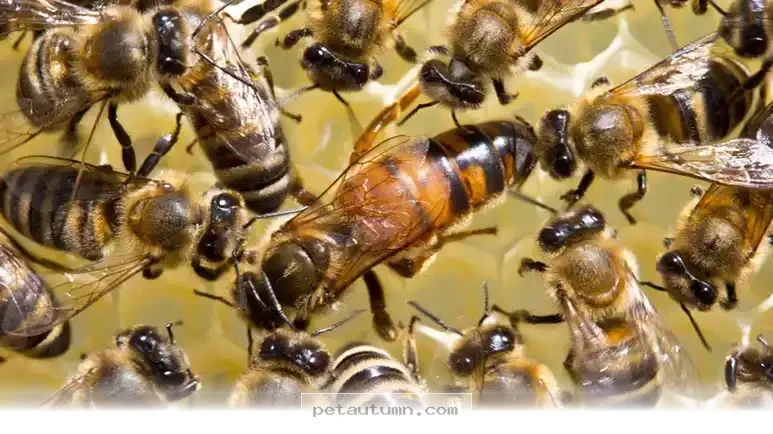
In the insect world, the queen serves as the absolute heart of the colony. She is not merely a ruler in the traditional sense but the biological anchor that allows the entire population to grow and function.
| Feature | Honeybee Queen | Ant Queen |
|---|---|---|
| Role | Reproduction & Pheromone Signaling | Colony Expansion & Egg Laying |
| Lifespan | Up to several years | Can span over a decade |
| Status | Primary reproductive female | Primary reproductive female |
The queen’s primary specialty is reproduction, which ensures the future of the hive or colony. Without her, the workers would have no central focus, leading to the eventual collapse of their sophisticated social structure.
2. Large Mammals: Elephants and Orcas
Killer whales, or orcas, maintain some of the most stable matriarchal bonds in the ocean. Offspring often stay with their mothers for their entire lives, creating deeply interconnected family pods that thrive through shared knowledge.
Elephants follow a similar path, where the oldest and most experienced female leads the herd. She acts as a living library of information, guiding her family to water sources and food during times of drought or scarcity.
3. The Dynamics of Pride and Pack
It is common to think of lions as creatures led solely by the males, but the reality of the pride is much more collaborative. While males provide defense, the females are the primary providers for the group.
- Cooperative Hunting: Female lions work together to take down prey, ensuring the pride stays fed.
- Communal Cub Care: Mothers often share the responsibilities of nursing and protecting the cubs.
- Strategic Defense: Females are often the first to sense intruders and alert the rest of the pride.
4. Peaceful Primates and Social Hyenas
Bonobos offer a fascinating look at how female-led societies can prioritize harmony. Instead of resorting to physical violence to settle disputes, these primates often use social bonding and conflict-resolution behaviors to maintain peace within the group.
Conversely, spotted hyenas show us that female power can also manifest as intense dominance and aggression. In these groups, the females are physically larger and more assertive than their male counterparts, making them the undisputed leaders of the clan.
5. Burrowing Communities
Small mammals like mole rats and meerkats utilize a queen-led structure to survive in harsh environments. In a meerkat mob, the dominant female is responsible for leading the group in foraging and finding secure burrowing locations.
This leadership is vital for maintaining the safety of the entire family. By delegating tasks and keeping a watchful eye on the surroundings, the dominant female ensures that even the most vulnerable members of the mob stay protected.
The information on petautumn.com is for general informational purposes only and does not constitute veterinary advice. Pet health needs vary by breed, age, and individual condition. Always consult a licensed veterinarian before making decisions about your pet’s health, diet, or medical treatment. Pet Autumn is not affiliated with any veterinary organization, pet food manufacturer, or breeder.
Learning about these matriarchal species reveals how nature finds balance through diverse forms of leadership. Whether it is through the gentle cooperation seen in bonobos or the structured efficiency of an ant colony, these animals show us that power comes in many forms.
The next time you observe your own pets at home, you might notice similar social cues and leadership dynamics. Even in our domestic companions, these instinctual behaviors serve as a reminder of the complex social lives that animals lead every day. You can learn more about animal behavior and health by visiting ASPCA or PetMD for further reading.

Dog care writer at petautumn.com. Visual Communication Design graduate (S.Ds) from Universitas Udayana. Covers dog breeds, behavior, training, and gear reviews. Dog dad to Meepo. Based in Austin, Texas.