Written by Kadek Darma
Service dogs have fundamentally changed the lives of countless individuals by providing the physical, emotional, and mental support necessary for true independence. When a highly trained dog works alongside its handler, it acts as a seamless extension of their capabilities, granting them the freedom to navigate the world with confidence and safety.
Unfortunately, the rising popularity of these partnerships has led to a surge in misleading online businesses. These websites aggressively market "official" service animal certifications and registrations, preying on pet owners by charging fees for documents that hold absolutely no legal weight.
Key Takeaways
- There is no official federal government registry or certification process for service animals in the United States.
- The Americans with Disabilities Act (ADA) distinguishes clearly between task-trained service dogs and emotional support animals.
- Business owners are legally permitted to ask only two specific questions to determine if a dog is a service animal.
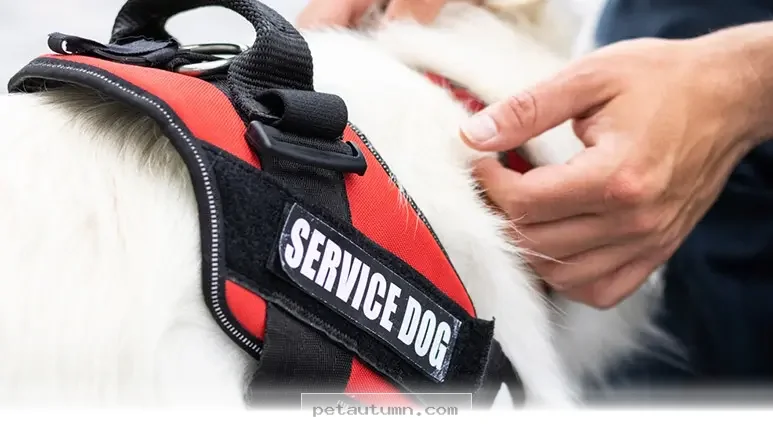
- Purchasing fake certifications or vests for an untrained pet is misleading and can undermine the rights of people who rely on genuine service dogs.
Understanding the Legal Reality of Service Animals
Many people mistakenly believe that buying a vest or a certificate online gives their pet legal access to stores, restaurants, or airplanes. In reality, the Americans with Disabilities Act (ADA) does not recognize these purchased documents as proof of status.
If you are a business owner or a member of the public, it is helpful to understand the limitations of these common myths. The law focuses on the tasks the animal performs, not on a piece of paper or an ID card purchased from a website.
1. The Two-Question Rule
If you are wondering if an animal is a legitimate service dog, the ADA allows staff to ask only two specific questions. You should never ask about the nature of a person’s disability or demand medical documentation.
- Is the dog a service animal required because of a disability?
- What work or task has the dog been trained to perform?
2. Service Dogs vs. Emotional Support Animals
It is a common point of confusion, but the legal distinction between these roles is significant. You can view a comparison of these classifications in the table below.
| Category | Legal Status | Primary Function |
|---|---|---|
| Service Dog | Protected by ADA | Performs specific tasks for disability |
| Emotional Support Animal | Limited housing rights | Provides comfort through presence |
| “Certified” Pet | No special rights | None (marketing scam) |
3. Why Bogus Certifications Are Harmful
When untrained animals are brought into public spaces under the guise of being service animals, it can create dangerous situations. Genuine service dogs undergo thousands of hours of training to remain calm and focused in busy, distracting, or high-stress environments.
An untrained dog may bark, jump, or behave unpredictably, which can interfere with the work of actual service animals. This behavior makes it harder for handlers with disabilities to be taken seriously when they are out in public.
Responsible Ownership and Public Access
If you have a pet that provides comfort, it is natural to want to bring them everywhere. However, respecting the regulations set by the Americans with Disabilities Act ensures that public spaces remain accessible for everyone.
If you are looking for more information on how to properly identify and support the rights of service dog teams, you can consult resources from the American Veterinary Medical Association. Being an informed pet owner is the best way to help protect the integrity of these vital working partnerships.
The information on petautumn.com is for general informational purposes only and does not constitute veterinary advice. Pet health needs vary by breed, age, and individual condition. Always consult a licensed veterinarian before making decisions about your pet’s health, diet, or medical treatment. Pet Autumn is not affiliated with any veterinary organization, pet food manufacturer, or breeder.
Always remember that a service dog is a highly trained professional working to keep their handler safe. By understanding the law and respecting these boundaries, you help maintain a supportive environment for those who truly need these incredible animals.
Thank you for being a responsible member of the pet community. Your commitment to learning the facts makes a difference for handlers who rely on their dogs every single day.

Cat care writer at petautumn.com. English Literature graduate (S.S) from Universitas Udayana. Covers cat breeds, behavior, nutrition, grooming, and health. Cat mom to Luna and Lina. Based in Austin, Texas.