Written by Ayu Pratiwi
Ever wonder why your feline friend acts like they belong in a circus rather than your living room? While we adore our cats, their mysterious habits can feel like a puzzle wrapped in fur. Understanding these quirks helps you connect with your pet on a deeper level, making your home a sanctuary for both of you.
When you take the time to learn why your cat behaves in specific ways, you can create a more comfortable environment for them. A little patience goes a long way in turning those confusing moments into opportunities for bonding.
Key Takeaways
- Cats are natural desert survivors with a low thirst drive, which explains their pickiness about water.
- Perching in high places is an evolutionary instinct that helps your cat feel safe and observant.
- Running water is more appealing to cats because it mimics natural, clean sources in the wild.
- Providing vertical space like cat trees can significantly reduce your cat’s stress levels.
1. The Mystery of the Water Bowl
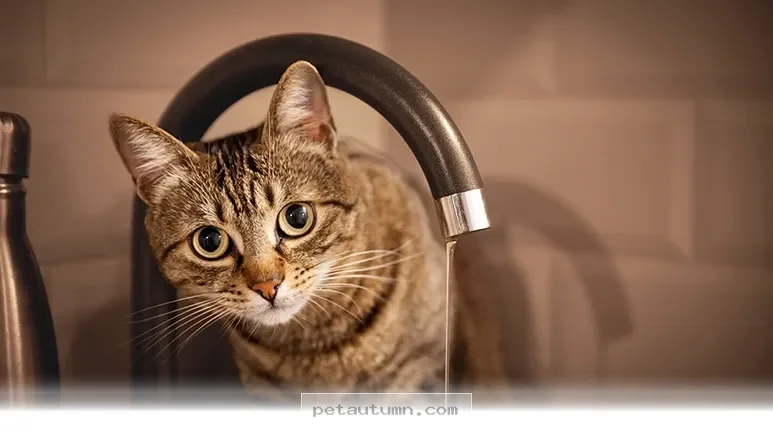
You have likely noticed your cat ignoring their pristine water bowl in favor of the bathroom faucet or a glass left on your nightstand. This behavior is not just a bid for attention; it is deeply rooted in their biology.
Because cats descended from desert-dwelling ancestors, they are wired to prioritize moisture from their food. Their natural instinct often leads them to seek out moving water, which they perceive as safer and fresher than stagnant water sitting in a bowl.
Why Your Cat Avoids Still Water
- Safety Perception: Still water in a corner bowl makes a cat feel vulnerable to potential threats.
- Sensory Issues: Cats have sensitive noses and can often detect the plastic or metallic scent of a bowl.
- Visibility: Clear, still water is difficult for a cat to see, while moving water creates light reflections and sound.
- Evolutionary Memory: Stagnant water in the wild often carries bacteria, so running water is a safer, cleaner choice.
| Water Source | Cat Preference | Reasoning |
|---|---|---|
| Running Faucet | High | Fresh, audible, and easy to track. |
| Pet Fountain | High | Combines flow with a dedicated station. |
| Standard Bowl | Low | Can feel stagnant and hard to see. |
| Toilet Bowl | Warning | Dangerous due to chemicals and drowning risk. |
You can encourage better hydration by switching to ceramic or glass bowls to avoid chemical leaching. Many cat owners find that placing a pet water fountain in a quiet, central location encourages their cats to drink more throughout the day.
2. The Appeal of High Ground
If you often find your cat surveying the room from the top of the refrigerator or a high bookshelf, they are simply following their ancestral instincts. In the wild, cats are both predators and prey, making them highly cautious about their surroundings.
High places provide a tactical advantage, allowing your cat to monitor their territory without being approached from behind. This elevation makes them feel secure, as they can spot potential threats long before they get too close.
Why Your Cat Loves Heights
- Safety: They feel protected from ground-level disturbances or other household pets.
- Observation: Being high up gives them a "bird’s eye view" of all the household activity.
- Temperature Regulation: Heat rises, so a high shelf is often the warmest spot in the room.
- Territorial Dominance: Controlling the highest point in a room is a natural way for cats to establish confidence.
To keep your cat happy, you should ensure they have designated climbing spots like cat trees or wall-mounted shelves. When you provide safe, vertical territory, you reduce your cat’s need to jump on your kitchen counters or fragile displays.
| Feature | Benefit to Cat |
|---|---|
| Cat Trees | Safe climbing and scratching outlet. |
| Wall Shelves | Saves floor space while providing vertical paths. |
| Top of Fridge | Warm, high, and private, but can be dangerous. |
Always ensure that any high perch you provide is stable and can hold your cat’s weight securely. If you notice your cat suddenly seeking high ground more often than usual, it may be a sign they are feeling stressed or overwhelmed by something in the home environment.
The information on petautumn.com is for general informational purposes only and does not constitute veterinary advice. Pet health needs vary by breed, age, and individual condition. Always consult a licensed veterinarian before making decisions about your pet’s health, diet, or medical treatment. Pet Autumn is not affiliated with any veterinary organization, pet food manufacturer, or breeder.
Understanding these quirks is just the beginning of your journey as a dedicated cat parent. By respecting these natural instincts, you create a home where your cat feels both safe and understood.
As you spend more time observing these behaviors, you will likely discover even more charming aspects of your cat’s personality. Keep an open mind, stay observant, and enjoy the unique bond that only a cat can provide.

Dog care writer at petautumn.com. Visual Communication Design graduate (S.Ds) from Universitas Udayana. Covers dog breeds, behavior, training, and gear reviews. Dog dad to Meepo. Based in Austin, Texas.