Written by Kadek Darma
Your pet’s digestive health is the silent engine behind their overall vitality and happiness. When the gut is balanced, you will likely notice a shinier coat, more consistent energy, and a robust immune system that keeps them feeling their best.
Many pet owners are surprised to learn that the foundation of wellness starts deep within the intestinal tract. By focusing on the gut microbiome, you can support your pet’s long-term health and help them thrive through every stage of their life.
Key Takeaways
- Probiotics are beneficial live microorganisms that help maintain a healthy balance of good bacteria in your pet’s digestive system.
- A flourishing gut microbiome supports stronger immune function, better nutrient absorption, and even improved mental clarity.
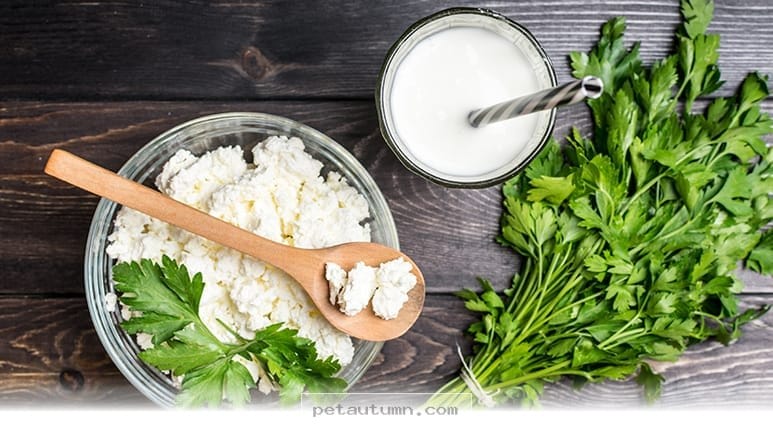
- Fresh, whole foods serve as the best foundation for providing natural probiotics to your animal companion.
- If your pet struggles with digestive issues, supplemental probiotics come in various forms, including powders, pastes, and liquids.
- Soil-based organisms (SBOs) are an emerging area of interest for managing specific gut sensitivities like those seen in inflammatory bowel conditions.
Understanding the Gut Microbiome
Think of your pet’s gut as a bustling internal ecosystem that requires a delicate balance to function properly. When this ratio of good-to-bad bacteria shifts, your pet may experience discomfort or a weakened immune response.
Several common factors can disrupt this internal harmony. These include environmental stressors, sudden changes in their daily routine, or the presence of various chemicals found in processed food sources.
Common Disruptors of Gut Health
To help your pet maintain a healthy gut, it is helpful to recognize what might be causing an imbalance. Watch for these common triggers that could negatively affect their internal flora:
- Diets consisting primarily of highly processed or genetically engineered ingredients.
- Frequent exposure to environmental toxins or contaminated water sources.
- High levels of emotional stress from moving or significant changes in the household.
- Unexpected transitions between different types of commercial pet foods.
- The lingering effects of certain medications or common pest preventatives.
How Probiotics Support Your Pet
Probiotics, a term derived from the Greek meaning for life, are active substances essential for healthy development. By introducing these friendly bacteria, you are essentially helping your pet repopulate their system with the microscopic allies they need to digest food and protect their body.
Research consistently suggests that probiotics play a key role in managing common digestive complaints. Many pet owners report a significant improvement in stool quality and a reduction in occasional bouts of diarrhea after incorporating these beneficial microbes.
The Connection to Immunity and Mood
Your pet’s digestive tract acts as their largest immune organ, working tirelessly to identify and neutralize threats. By fostering a diverse microbiome, you are providing your pet with a stronger biological defense system.
There is also a fascinating link between the gut and the brain, often referred to as the gut-brain axis. A balanced gut supports the production of serotonin, which plays a vital role in your pet’s mood, cognitive function, and daily behavior.
Choosing the Right Probiotic Support
| Probiotic Form | Pros | Cons |
|---|---|---|
| Whole Food Sources | Natural and nutrient-dense | Requires consistent preparation |
| Powder Supplements | Easy to mix into meals | May be ignored by picky eaters |
| Paste/Liquid | Quick absorption and easy dosing | Often higher in additives |
Note: Always prioritize fresh, high-quality ingredients as your primary source of nutrition.
Steps to Improve Your Pet’s Gut Health
- Introduce Whole Foods: Start by slowly incorporating fresh, raw, or minimally processed foods into their diet to provide natural enzymes.
- Monitor Digestion: Keep a simple log of your pet’s energy levels and stool consistency to identify what works best for their unique system.
- Consult a Professional: Speak with your veterinarian about specific strains that are known to benefit your pet’s breed and life stage.
- Rotate Strains: Just as humans benefit from a varied diet, providing a rotation of different probiotic strains can help create a more resilient gut.
- Minimize Toxins: Reduce the use of unnecessary chemicals in your home and yard to prevent accidental ingestion of gut-disrupting substances.
Addressing Digestive Sensitivities
If you notice signs of discomfort, such as occasional gas or irregular bowel movements, you might consider investigating the quality of their current diet. Some animals benefit greatly from targeted support that focuses on rebalancing the gut environment through natural supplementation.
Emerging research into soil-based organisms suggests these unique strains may offer extra support for pets with more complex digestive needs. Discuss these options with your veterinarian to see if they are appropriate for your specific situation.
The information on petautumn.com is for general informational purposes only and does not constitute veterinary advice. Pet health needs vary by breed, age, and individual condition. Always consult a licensed veterinarian before making decisions about your pet’s health, diet, or medical treatment. Pet Autumn is not affiliated with any veterinary organization, pet food manufacturer, or breeder.
Building a healthy gut is a long-term commitment that pays off in your pet’s increased vitality. By being mindful of what goes into their bowl and monitoring their environment, you are taking a proactive step toward their long-term well-being.
Your patience and attention to their nutritional needs will help them enjoy a vibrant life by your side. Remember that every small, positive change you make contributes to a happier and healthier companion.
For more information on digestive wellness, you can visit resources like the American Veterinary Medical Association or the Cornell University College of Veterinary Medicine. These organizations offer extensive libraries on animal nutrition and preventative care.

Cat care writer at petautumn.com. English Literature graduate (S.S) from Universitas Udayana. Covers cat breeds, behavior, nutrition, grooming, and health. Cat mom to Luna and Lina. Based in Austin, Texas.