Written by Kadek Darma
Bringing home a rescue dog often feels like opening a mystery box filled with both challenges and immense rewards. You never quite know what kind of history or baggage a new pup might carry through your front door.
Watching a terrified animal slowly peel back those layers of fear is a profound experience for any pet parent. It requires patience, quiet consistency, and a whole lot of love to earn the trust of a dog who has seen the rougher side of life.
Key Takeaways
- Rescue dogs often require a "decompression period" to feel safe in a new environment.
- Building trust is a slow, steady process that cannot be rushed by human expectations.
- Positive reinforcement and predictable routines are your best tools for helping a scared dog thrive.
- Medical healing and physical recovery often coincide with emotional breakthroughs in traumatized animals.
The Journey from Fear to Friendship
When you first bring home a stray or a neglected dog, their behavior is usually a survival response rather than a personality trait. That trembling in the corner or that hesitation to accept a treat is simply their way of assessing whether you are a friend or a foe.
Creating a sanctuary space where your dog can retreat when they feel overwhelmed is a smart first step. Think of it as their private room where they can watch the world go by without the pressure of having to interact.
1. Recognizing Signs of Trauma
Understanding your rescue dog’s body language is essential to preventing future accidents or behavioral regressions. If you notice these symptoms, give your pup space and move slowly:
- Tucking the tail between the legs tightly.
- Avoiding direct eye contact or "whale eye" where the whites show.
- Pacing, panting, or trembling despite being in a comfortable environment.
- Refusal to eat or take high-value treats from your hand.
- Hiding under furniture or in confined corners for extended periods.
2. Setting Up a Decompression Routine
Consistency is the secret language of dogs, and it helps them understand what to expect next. By keeping meal times, potty breaks, and walk schedules identical every single day, you reduce their underlying anxiety significantly.
Essential Supplies for New Rescues
| Supply Item | Purpose | Status |
|---|---|---|
| Calming pheromone diffuser | Helps soothe environmental stress | Positive |
| Sturdy crate with soft bedding | Provides a secure "den" area | Positive |
| High-value training treats | Used for positive reinforcement | Positive |
| Long-line leash | For safe outdoor bonding | Caution |
| Squeaky toys | Can overstimulate a fearful dog | Warning |
How Trust Changes Everything
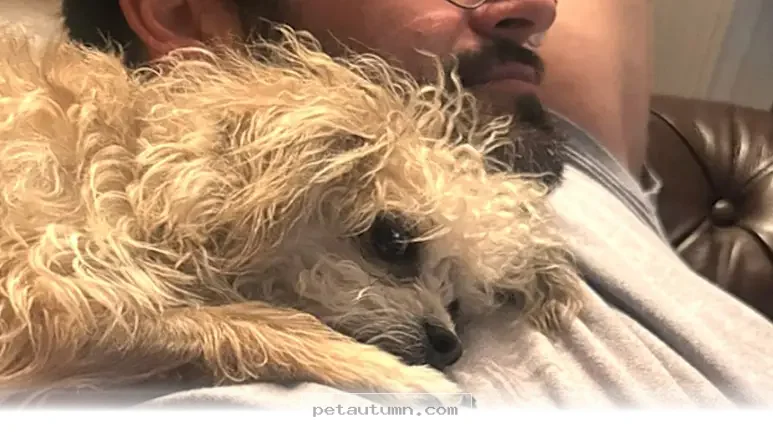
Once a dog realizes they no longer have to fight for their safety, the transformation is often rapid and heartwarming. Many foster parents find that the moment a dog stops acting like a survivor and starts acting like a family member is the most rewarding part of the process.
You might notice that the dog starts following you from room to room, a behavior often called "velcroing." This is usually a sign that they have officially identified you as their safe harbor in the world.
Steps to Deepen Your Bond
- Start with Parallel Play: Sit near your dog and read a book or work on your laptop without demanding their attention.
- Hand-Feeding: If the dog is comfortable, offer meals by hand to associate your presence with life-sustaining rewards.
- Respect Their Boundaries: Never force physical touch if the dog pulls away or seems tense.
- Quiet Encouragement: Use a soft, calm voice when speaking to them to keep the atmosphere relaxed.
- Celebrate Small Wins: Whether it is a tail wag or finally accepting a toy, acknowledge their progress with gentle praise.
According to the ASPCA, providing a predictable environment is the most effective way to help a rescue dog transition into a loving home. Remember that every dog moves at their own pace, and comparing your journey to someone else’s social media video can be misleading.
The information on petautumn.com is for general informational purposes only and does not constitute veterinary advice. Pet health needs vary by breed, age, and individual condition. Always consult a licensed veterinarian before making decisions about your pet’s health, diet, or medical treatment. Pet Autumn is not affiliated with any veterinary organization, pet food manufacturer, or breeder.
Watching a dog go from hiding in a corner to showering you with affection is a privilege that never gets old. Stay patient and keep showing up for them every single day.
Your commitment to their healing will eventually pay off in the form of a loyal, happy, and loving companion. Enjoy those quiet moments of connection as your new best friend finally realizes they are home for good.

Dog care writer at petautumn.com. Visual Communication Design graduate (S.Ds) from Universitas Udayana. Covers dog breeds, behavior, training, and gear reviews. Dog dad to Meepo. Based in Austin, Texas.