Written by Kadek Darma
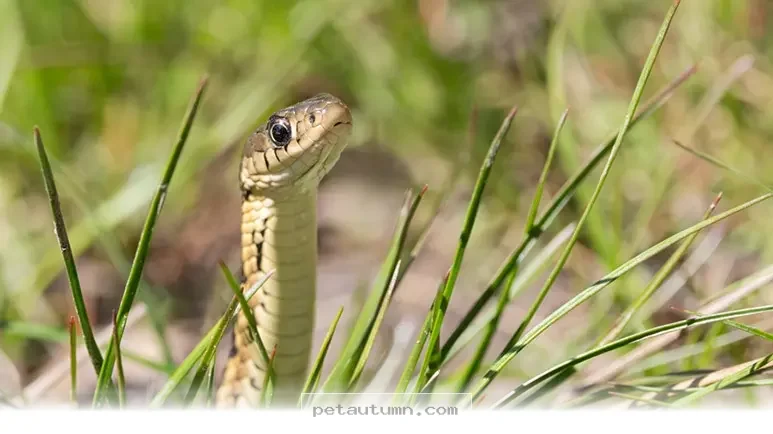
Watching your dog explore the great outdoors is one of the joys of pet ownership, but sometimes curiosity leads them into dangerous territory. Snake encounters can happen in an instant, turning a peaceful afternoon hike or a quiet backyard stroll into a medical emergency.
Even if you live in an urban environment, snakes are masters of camouflage and can appear when you least expect them. Recognizing how to react—and what to avoid—is the most effective way to protect your furry companion during a crisis.
Key Takeaways
- Always treat every snakebite as a life-threatening emergency, regardless of whether the snake appears venomous.
- Never attempt home remedies like suctioning venom, applying tourniquets, or using ice, as these methods can cause severe tissue damage.
- Keep your pet as calm and immobile as possible to slow the spread of toxins through their bloodstream.
- Prioritize professional care by heading directly to an emergency veterinary clinic that stocks antivenin.
- Never handle or try to capture a snake, even if it appears dead, as reflex muscle contractions can still cause a bite.
Understanding the Risks of Snakebites
Most pet owners assume snakebites only occur during deep wilderness excursions, but the reality is much closer to home. Many bites actually happen right in the backyard, where pets feel comfortable and often lower their guard while sniffing through tall grass or garden beds.
Because dogs and cats are naturally inquisitive, they often investigate a snake’s movement rather than retreating. This curiosity frequently leads to bites on the face, neck, or front paws as they lean in to get a closer look.
Common Signs of a Snakebite
If you suspect your pet has been bitten, watch for these physical indicators that warrant immediate veterinary attention:
- Rapidly spreading swelling or bruising around the bite site
- Visible puncture wounds or bleeding
- Extreme sensitivity or pain when the area is touched
- Difficulty breathing or heavy, labored panting
- Sudden lethargy, weakness, or collapse
- Dilated pupils or loss of coordination
Why Traditional First Aid Often Fails
You might have heard old advice about cutting the wound or using a tourniquet to stop the spread of venom. Please ignore these suggestions, as they are medically dangerous and often lead to worse outcomes for your pet.
Cutting the wound can introduce secondary infections or damage vital structures like nerves and tendons. Similarly, restricting blood flow with a tourniquet can concentrate the venom in one area, leading to severe localized tissue death that may necessitate amputation later.
Comparing Common Myths vs. Professional Advice
| Action | Safety Status |
|---|---|
| Keep pet calm and quiet | Highly Recommended |
| Transport to emergency vet | Essential |
| Identify snake from distance | Helpful but optional |
| Apply tourniquet or ice | Dangerous/Avoid |
| Suck out or cut the wound | Harmful/Avoid |
Steps to Take During an Emergency
- Stay Calm: Your pet senses your stress levels, which can increase their heart rate and speed up the circulation of venom.
- Limit Movement: Carry your pet to the car if possible to prevent them from walking or running, which accelerates toxin distribution.
- Positioning: Try to keep the bite site at or slightly below the level of the heart while you travel.
- Clear the Area: If the bite is near the collar, remove it gently, as swelling can occur rapidly and cause the collar to constrict the airway.
- Seek Specialized Care: Call ahead to ASPCA or your local emergency hospital to ensure they have the necessary antivenin in stock.
- Visual Evidence: Use your phone to snap a quick photo from a safe distance if you can, but never waste time trying to get a close-up or move the snake.
Maintaining a clear head is the most valuable tool you have in these high-pressure situations. Always remember that specialized medical equipment like antivenin is the only reliable way to neutralize severe venomous reactions.
The information on petautumn.com is for general informational purposes only and does not constitute veterinary advice. Pet health needs vary by breed, age, and individual condition. Always consult a licensed veterinarian before making decisions about your pet’s health, diet, or medical treatment. Pet Autumn is not affiliated with any veterinary organization, pet food manufacturer, or breeder.
Prevention remains the best strategy for keeping your companion safe during your daily adventures. By keeping your dog on a leash in unfamiliar areas and clearing brush or debris from your yard, you drastically reduce the chance of an unwanted encounter.
Stay vigilant during the warmer months when snakes are most active and likely to sun themselves on trails or rocks. Your proactive choices today ensure many more years of happy, healthy walks together.

Dog care writer at petautumn.com. Visual Communication Design graduate (S.Ds) from Universitas Udayana. Covers dog breeds, behavior, training, and gear reviews. Dog dad to Meepo. Based in Austin, Texas.