Written by Kadek Darma
Walking through your garden, you might see your dog sniffing curiously at the tomato vines. Many pet owners worry about this common garden resident, wondering if that bright red fruit is a safe snack or a hidden danger for their furry companions.
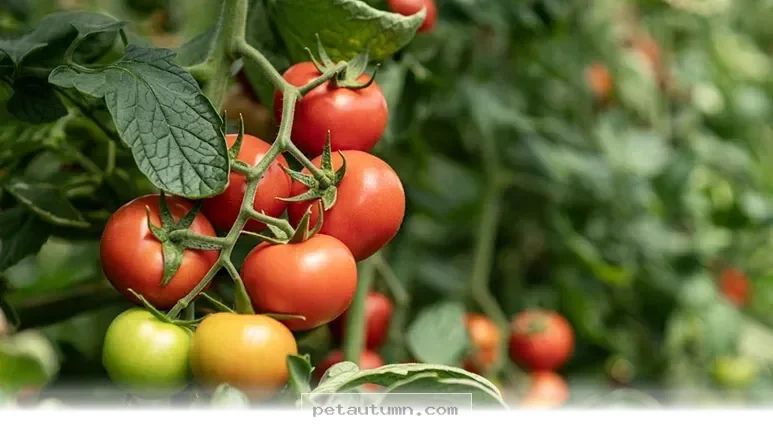
The good news is that ripe tomatoes are generally safe and can be a healthy, antioxidant-rich treat when prepared correctly. Understanding the difference between the fruit itself and the rest of the plant is the secret to keeping your pet happy and safe.
Key Takeaways
- Ripe, red tomatoes are safe for pets when served in moderation as an occasional snack.
- The green parts of the tomato plant, including stems and leaves, contain solanine and should always be avoided.
- Lycopene, a powerful antioxidant found in tomatoes, may provide anti-inflammatory benefits for your dog.
- Always wash tomatoes thoroughly and remove the green stem before sharing them with your pet.
- Skip canned tomatoes or store-bought sauces, as these often contain additives like garlic, onion, or excess sodium.
Understanding the Tomato Plant
It is easy to get confused by all the conflicting information found online about fresh produce. Many sources label everything as toxic, but the reality is much more nuanced for our four-legged friends.
The primary concern with tomatoes stems from the plant itself rather than the fruit. Because they belong to the nightshade family, the green foliage and stems contain compounds that are not suitable for animal consumption.
1. The Safety of Ripe Fruit
When you choose a fully ripe, red tomato, you are offering a nutrient-dense snack that is generally well-tolerated. It is a fantastic way to introduce new textures and flavors while providing a small boost of hydration.
Always stick to fresh, raw tomatoes and avoid anything processed. Many canned products contain seasonings like onion powder or high levels of salt, which are certainly not healthy for your dog.
2. The Danger of Green Parts
You must be vigilant about the green parts of the plant, such as the stems, leaves, and unripe green tomatoes. These contain a substance called solanine, which can cause significant digestive distress.
If you have a home garden, consider placing a small fence around your tomato patch. This simple step prevents your curious pet from nibbling on the vines while you are not looking.
Nutritional Benefits for Your Pet
Beyond just being a tasty snack, tomatoes offer specific compounds that may support your pet’s overall well-being. Adding a small, sliced piece to their regular, balanced diet can be a simple way to provide variety.
Lycopene and Antioxidants
Lycopene is a carotenoid responsible for the vibrant red color of the fruit. This compound is known for its role in supporting heart health and providing anti-inflammatory properties.
Research suggests that these antioxidants help the body fight oxidative stress. While your pet receives most of their nutrients from their main meals, these extra boosters can be a nice addition.
Eye Health Support
Tomatoes contain lutein and zeaxanthin, which are essential nutrients for maintaining macular health. As your dog ages, keeping their eyes in peak condition is a top priority for any owner.
Studies have even indicated that dietary lutein may support the immune system in dogs. Feeding a small amount of this fruit is a gentle way to provide these beneficial pigments.
| Feature | Ripe Red Tomato | Green Tomato/Stems |
|---|---|---|
| Safety Status | Safe in moderation | Not safe |
| Primary Risk | Choking (if too large) | Solanine toxicity |
| Nutrient Density | High (Lycopene) | Low |
| Recommended Use | Occasional treat | Avoid entirely |
Tips for Serving Tomatoes
When you decide to share a snack, preparation is everything. Following a few simple guidelines ensures that your pet enjoys the experience without any unwanted side effects.
1. Preparation Steps
- Wash thoroughly: Always rinse the tomato to remove any lingering pesticides or dirt from the skin.
- Remove the stem: Carefully cut away the green leafy top and the stem before serving.
- Slice into pieces: Cut the fruit into bite-sized chunks to prevent choking, especially for smaller dogs.
- Moderation is key: Start with one small slice to see how your pet’s tummy reacts before offering more.
2. Recognizing Potential Issues
Even though ripe tomatoes are safe, every pet is different. Keep an eye out for these common signs of digestive upset after introducing any new food:
- Vomiting or nausea
- Diarrhea or loose stools
- Excessive drooling
- Loss of appetite
If you notice any of these symptoms, skip the treat and consult your local veterinarian. It is always better to err on the side of caution when you are unsure about your pet’s specific sensitivities.
The information on petautumn.com is for general informational purposes only and does not constitute veterinary advice. Pet health needs vary by breed, age, and individual condition. Always consult a licensed veterinarian before making decisions about your pet’s health, diet, or medical treatment. Pet Autumn is not affiliated with any veterinary organization, pet food manufacturer, or breeder.
Choosing the right snacks for your pet is a journey of discovery. By understanding what is in your kitchen, you can make informed decisions that keep your dog healthy and happy.
Remember that treats should only ever make up a small portion of your pet’s daily intake. Focus on a high-quality, species-appropriate diet as the foundation for their vitality and long-term health.

Dog care writer at petautumn.com. Visual Communication Design graduate (S.Ds) from Universitas Udayana. Covers dog breeds, behavior, training, and gear reviews. Dog dad to Meepo. Based in Austin, Texas.