Written by Kadek Darma
We all love sharing a little snack with our furry best friends while we relax at home. However, some common household foods hide dangerous secrets that could put your dog in serious physical distress.
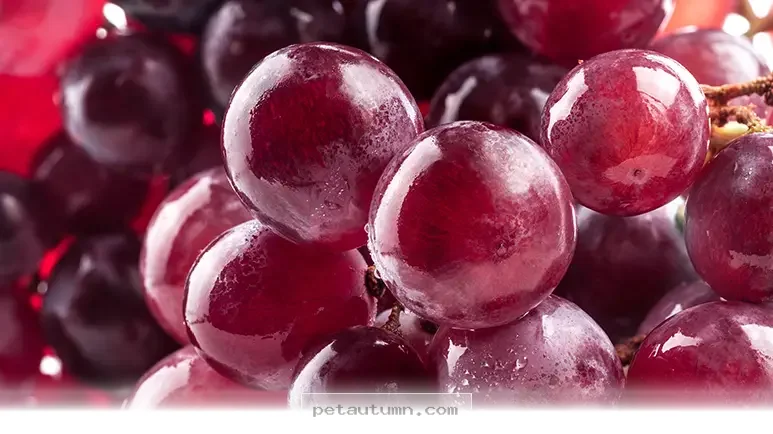
One of the most deceptive threats in your kitchen is the humble grape and its dried counterpart, the raisin. Even though these bite-sized fruits seem harmless, they can cause life-threatening reactions in many dogs.
Key Takeaways
- Tartaric acid is now believed to be the primary cause of grape toxicity in dogs.
- Symptoms often include sudden vomiting, diarrhea, abdominal pain, and lethargy.
- There is no safe amount of grapes, as individual sensitivity levels vary greatly.
- Always keep grapes, raisins, and items like cream of tartar far away from curious paws.
- If your pet consumes grapes, seek immediate veterinary assistance without delay.
The Mystery Behind the Toxicity
For many years, veterinarians struggled to identify exactly why grapes triggered such severe reactions in some dogs while leaving others seemingly unaffected. Early theories blamed pesticides or fungal toxins, but these failed to explain why organic produce caused identical issues.
Recent research has finally provided a breakthrough, pointing toward a naturally occurring substance found within the fruit itself. Scientists are now focusing on tartaric acid, which appears to be the culprit behind the sudden kidney damage observed in affected animals.
Understanding the Culprit: Tartaric Acid
The discovery regarding tartaric acid emerged from a rather unusual place, specifically the study of homemade playdough. Since this substance is found in high concentrations within grapes and cream of tartar, it creates a toxic profile that many canine systems simply cannot handle.
Because the levels of this acid vary based on the ripeness and variety of the grape, it explains why one dog might experience mild discomfort while another suffers severe kidney failure. This variability is exactly why you should never risk letting your dog sample any amount of this fruit.
1. Identifying the Warning Signs
If your dog has managed to sneak a grape or raisin from the counter, you need to watch their behavior very closely. The following signs may indicate that their body is struggling with the toxicity:
- Persistent or sudden vomiting
- Noticeable diarrhea
- Significant abdominal pain or tenderness
- Refusal to eat (anorexia)
- Extreme lethargy or weakness
- Increased thirst or urination
2. Common Sources of Risk
It is not just the fresh fruit you need to monitor in your pantry. Many common items contain hidden traces of grape or derivatives that can be just as dangerous.
| Product Category | Risk Level |
|---|---|
| Fresh Grapes | High Risk |
| Raisin Bread | Moderate to High |
| Cream of Tartar | Critical Danger |
| Trail Mix with Raisins | High Risk |
3. Steps to Take During an Emergency
If you suspect your dog has ingested a toxic substance, your quick response is their best chance for recovery. Follow these steps to ensure their safety:
- Remove any remaining grapes from their reach immediately.
- Contact your veterinarian or an emergency animal clinic right away.
- Do not attempt home remedies unless explicitly instructed by a professional.
- Gather information about how many grapes were eaten and when the ingestion occurred.
- Transport your dog to the clinic for observation and supportive care.
For further reading on canine safety and nutrition, you can consult resources like the AKC for general toxic food lists. Maintaining a safe environment requires constant vigilance regarding what sits on your kitchen surfaces.
The information on petautumn.com is for general informational purposes only and does not constitute veterinary advice. Pet health needs vary by breed, age, and individual condition. Always consult a licensed veterinarian before making decisions about your pet’s health, diet, or medical treatment. Pet Autumn is not affiliated with any veterinary organization, pet food manufacturer, or breeder.
Your vigilance in the kitchen is the most effective way to protect your pet from these hidden dangers. By keeping all toxic snacks securely stored, you ensure many more healthy years together.
Remember that even a small mistake can lead to a serious medical emergency. Always choose pet-safe treats instead of human snacks to keep your dog happy and healthy.

Dog care writer at petautumn.com. Visual Communication Design graduate (S.Ds) from Universitas Udayana. Covers dog breeds, behavior, training, and gear reviews. Dog dad to Meepo. Based in Austin, Texas.