Written by Kadek Darma
Many of us are constantly looking for ways to improve our own nutrition, often swapping white rice for brown rice to get that extra fiber. It feels like a natural step to wonder if our furry companions might also benefit from this "healthier" grain in their bowls.
While brown rice is certainly less processed than its white counterpart, the nutritional needs of our pets are quite different from our own. Understanding what this grain actually provides—and what it lacks—is the first step toward making informed decisions for your pet’s dinner.
Key Takeaways
- Brown rice is a whole grain that retains the bran and germ, offering more fiber and nutrients than white rice.
- Dogs and cats are biologically adapted to thrive on animal proteins and fats rather than carbohydrates.
- While not toxic, brown rice provides no essential nutrients that pets cannot get from more species-appropriate sources.
- Always prioritize fresh, whole proteins as the primary energy source for your pet’s daily diet.
What Exactly Is Brown Rice?
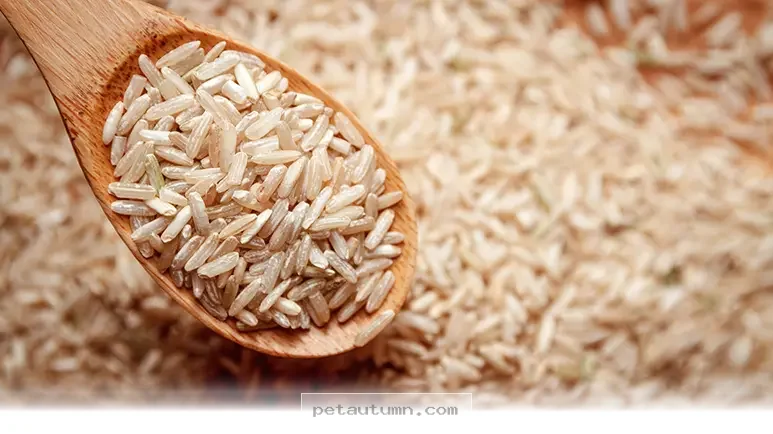
Brown rice is simply rice that has been dehusked but remains unpolished. Because it keeps the bran, germ, and endosperm intact, it acts as a whole grain that carries a nuttier flavor and a much chewier texture than the fluffy white rice we are used to seeing.
When rice is processed into white rice, manufacturers strip away the outer bran and the nutrient-dense germ. This milling process is designed to improve shelf life and texture, but it essentially leaves behind nothing but the starchy endosperm.
Comparing Brown and White Rice
If you are curious about how these two stack up, it helps to see exactly what is lost during the milling process. The following table illustrates the nutritional contrast between these two common pantry staples.
| Nutrient | Brown Rice | White Rice |
|---|---|---|
| Fiber Content | High | Negligible |
| Vitamin B3 | Retained | 67% Loss |
| Processing Level | Minimal | Heavy Milling |
| Essential Fatty Acids | Present | Removed |
1. Understanding Your Pet’s Biology
Dogs and cats possess short digestive tracts that are specifically designed to break down animal tissues. They have no biological requirement for carbohydrates, which eventually break down into sugar within their systems.
2. Is Brown Rice Safe?
You will be happy to know that brown rice is not toxic or dangerous for your pets. Some owners choose to incorporate it into a homemade diet for financial reasons, as it can serve as an affordable filler to stretch out more expensive protein sources.
3. Avoiding Unnecessary Fillers
You should avoid adding grains to your pet’s bowl simply because you think they are "healthy" for humans. There is no specific nutrient found in carbohydrates that your pet lacks, and overloading their system with starchy fillers can lead to metabolic stress.
4. Prioritizing Real Foods
The ultimate goal for any pet parent is to provide calories that resonate with their pet’s innate machinery. Focus your efforts on high-quality lean meats and healthy fats to ensure your dog or cat gets the fuel they truly need to thrive.
Transitioning your pet to a diet that consists of less than 20% starchy carbohydrates is the best way to reduce metabolic strain.
Bioactive Compounds and Benefits
Because the bran remains intact in brown rice, it contains phytochemicals like gamma-oryzanol and various tocopherols. Researchers have looked into these compounds for their potential antioxidant and cardioprotective properties.
Some animal studies suggest that gamma-oryzanol may assist in managing aspects of metabolic syndrome. Furthermore, the vitamin E content found in the germ can sometimes support joint health and help the body manage oxidative stress.
While these compounds sound impressive, remember that your pet should be getting these antioxidants from fresh, species-appropriate sources first. Relying on grain-based fillers to provide nutrients is rarely as effective as offering a balanced, protein-rich diet.
The information on petautumn.com is for general informational purposes only and does not constitute veterinary advice. Pet health needs vary by breed, age, and individual condition. Always consult a licensed veterinarian before making decisions about your pet’s health, diet, or medical treatment. Pet Autumn is not affiliated with any veterinary organization, pet food manufacturer, or breeder.
Choosing the right diet for your dog or cat is a journey of understanding their unique needs. By focusing on whole, fresh ingredients, you are taking the best step toward keeping your companion happy for years to come.
If you ever feel unsure about your pet’s current nutritional plan, your local veterinarian is your best resource for guidance. They can help you tailor a meal plan that honors your pet’s natural biology while keeping your budget in mind.

Cat care writer at petautumn.com. English Literature graduate (S.S) from Universitas Udayana. Covers cat breeds, behavior, nutrition, grooming, and health. Cat mom to Luna and Lina. Based in Austin, Texas.