Written by Kadek Darma
Tropical fruits bring a vibrant splash of color and a burst of sunshine to your kitchen counter. If you are enjoying a slice of juicy mango, you might wonder if your dog can share in the tropical fun.
The good news is that mangoes are generally safe and can be a delightful treat for your canine companion. When offered in moderation, this sweet fruit provides a refreshing reward during those warm afternoons.
Key Takeaways
- Mangoes are rich in beta-carotene, a powerful antioxidant that supports your dog’s overall wellness.
- The fruit contains beneficial compounds like quercetin and mangiferin which offer anti-inflammatory properties.
- Always remove the skin and the large center pit before serving to prevent digestive issues or choking.
- Because mangoes contain natural sugars, keep portions small to ensure your pet maintains a balanced diet.
- Check with your veterinarian if your dog has specific health concerns before introducing new snacks.
Nutritional Benefits of Mango
Mangoes are more than just a sweet snack for your pup. These fruits are packed with vitamins and antioxidants that help support your dog’s immune system.
Research suggests that the bioactive compounds found in mangoes may contribute to better health outcomes for various species. By adding a small piece to their bowl, you are offering more than just a tasty morsel.
1. Understanding Bioactive Compounds
Plants contain natural molecules called bioactive compounds that provide unique health advantages. Mangoes are particularly well-known for containing mangiferin.
Studies suggest that mangiferin may offer antimicrobial and immunomodulatory properties. While most research is conducted in laboratory settings, these findings highlight the potential value of including nutrient-dense fruits in a diet.
2. Supporting Gut and Heart Health
The gallic acid found in mangoes is another impressive component that may benefit your dog. Some studies have even shown that this compound can help reduce oxidative stress in pets.
Furthermore, balanced nutrition can positively impact your pet’s gut health. Maintaining a healthy balance of bacteria in the digestive tract is essential for long-term comfort and vitality.
3. The Power of Quercetin
Quercetin is a well-studied antioxidant that acts as a natural ally for your dog’s health. It is often recognized for its ability to support cognitive function and manage inflammation.
Many owners appreciate that this compound can be part of a broader, healthy lifestyle for their pets. When your dog enjoys a slice of mango, they are getting a small boost of these protective plant compounds.
| Nutrient/Compound | Potential Benefit |
|---|---|
| Beta-carotene | Supports eye and immune health |
| Mangiferin | Offers antioxidant properties |
| Quercetin | May help manage inflammation |
| Gallic Acid | Encourages a healthy gut |
Serving Mango Safely
While your dog might love the taste, safety is your top priority when introducing new foods. You should always prepare the fruit carefully to avoid any unnecessary risks.
Steps for Proper Preparation
- Wash the exterior of the mango thoroughly to remove any pesticides or dirt.
- Peel the skin carefully, as it can be difficult for dogs to digest properly.
- Slice the fruit away from the large, flat seed in the center.
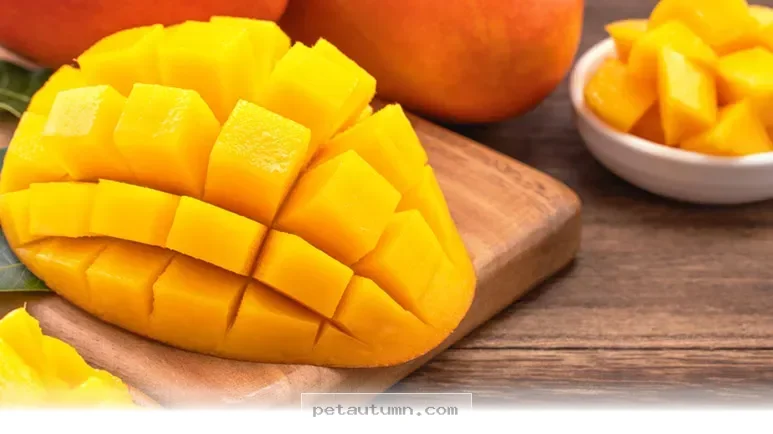
- Cut the flesh into small, bite-sized cubes that are easy to chew.
- Discard the pit immediately, as it is a significant choking hazard.
Potential Risks to Consider
- Choking Hazards: The pit is hard and slippery, posing a serious threat if swallowed.
- Digestive Upset: Feeding too much fruit can lead to an upset stomach or loose stools.
- Sugar Content: Mangoes contain natural sugar, so they should be an occasional treat, not a meal staple.
- Pesticide Residue: Always try to wash the fruit or choose organic if you are concerned about chemicals.
The information on petautumn.com is for general informational purposes only and does not constitute veterinary advice. Pet health needs vary by breed, age, and individual condition. Always consult a licensed veterinarian before making decisions about your pet’s health, diet, or medical treatment. Pet Autumn is not affiliated with any veterinary organization, pet food manufacturer, or breeder.
Finding the right balance of treats is the secret to keeping your dog happy and healthy. A little bit of mango goes a long way toward brightening their day without disrupting their nutritional needs.
If you decide to make this tropical treat a regular part of your routine, keep an eye on how your dog reacts. As long as you keep the portions small and the prep work thorough, your furry friend can safely enjoy the taste of the tropics.
For more information on safe snacks for your canine, you can visit the American Kennel Club to learn more about nutritional guidelines. Enjoy those sunny days with your pup and a refreshing treat in hand.

Cat care writer at petautumn.com. English Literature graduate (S.S) from Universitas Udayana. Covers cat breeds, behavior, nutrition, grooming, and health. Cat mom to Luna and Lina. Based in Austin, Texas.