Written by Kadek Darma
If you share your home with a dog, you likely adore their playful spirit and unique quirks. However, certain breeds carry a hidden genetic secret that can lead to significant discomfort and serious spinal health challenges.
Researchers have identified a specific mutation linked to a condition called chondrodystrophy, or CDDY. Understanding how this trait impacts your dog’s skeletal structure is a vital step in keeping them happy and mobile for years to come.
Key Takeaways
- The CDDY mutation is strongly linked to premature spinal disc degeneration and Hansen Type I IVDD.
- Dogs carrying this mutation are 50 times more likely to experience disc-related health crises.
- Watch for subtle signs of pain, such as a lowered head or reluctance to move the neck.
- Early intervention and professional veterinary care are essential if you suspect your dog is in pain.
Understanding the CDDY Connection
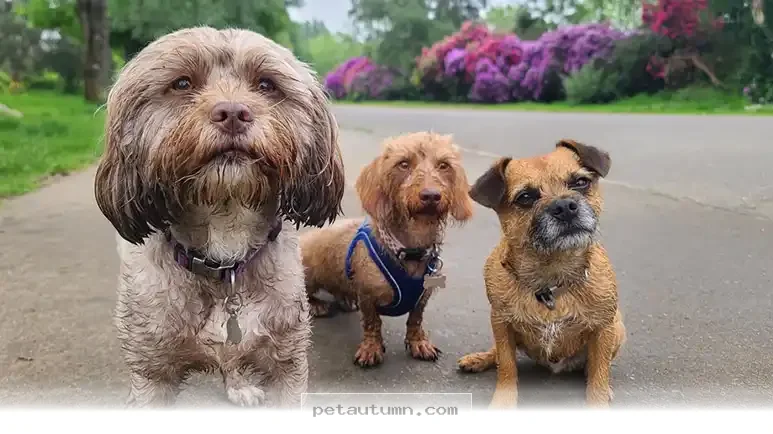
The discovery of this genetic mutation explains why some dogs have those iconic short legs we all recognize. Scientists found that specific gene insertions affect how growth plates develop, leading to the distinct physical appearance of certain breeds.
Unfortunately, this same genetic profile often triggers the premature breakdown of the intervertebral discs. These discs act as shock absorbers between the vertebrae, and when they degenerate early, it can lead to severe pain or nerve damage.
Recognizing the Signs of IVDD
Because dogs are experts at masking discomfort, you must keep a sharp eye on their daily behavior. If your pet seems hesitant to jump or walks with an unusual, stiff gait, take notice.
Common Symptoms to Watch For
- Reluctance to move the neck or head
- A hunched back or arched posture
- Unexpected vocalizing when touched
- Dragging of the rear paws
- Loss of bowel or bladder control
- Visible trembling or muscle spasms
Comparing Spinal Health Risks
Not all dogs face the same risks regarding spinal health. While some breeds are genetically predisposed to early disc degeneration, others may experience age-related issues later in life.
| Condition Type | Typical Age of Onset | Primary Risk Factors |
|---|---|---|
| Hansen Type I | Younger (1-6 years) | CDDY Gene Mutation |
| Hansen Type II | Older (8+ years) | General Wear and Tear |
| Spondylosis | Senior Years | Aging and Calcification |
Steps for Proactive Care
If your dog belongs to a breed known for short legs, you should prioritize their spinal health from a young age. Small adjustments in your home can significantly reduce the strain on their back.
- Use ramps to help your dog reach sofas or beds safely.
- Maintain a healthy weight to reduce unnecessary pressure on the spine.
- Support your dog’s body properly when picking them up or holding them.
- Engage in low-impact exercise rather than high-jumping activities.
- Schedule regular checkups with your veterinarian to monitor mobility.
Maintaining a clear line of communication with your vet is the best way to catch issues early. They can offer guidance tailored to your dog’s specific breed and lifestyle.
The information on petautumn.com is for general informational purposes only and does not constitute veterinary advice. Pet health needs vary by breed, age, and individual condition. Always consult a licensed veterinarian before making decisions about your pet’s health, diet, or medical treatment. Pet Autumn is not affiliated with any veterinary organization, pet food manufacturer, or breeder.
You know your dog better than anyone else, which makes you the best advocate for their comfort. By staying informed about potential risks, you can create a safe environment that allows your furry friend to thrive.
If you notice any concerning changes in how your dog moves or acts, please reach out to your local clinic right away. Early support is often the key to better outcomes for dogs dealing with spinal pain. You can find more information on canine health at the American Kennel Club.
Dog care writer at petautumn.com. Visual Communication Design graduate (S.Ds) from Universitas Udayana. Covers dog breeds, behavior, training, and gear reviews. Dog dad to Meepo. Based in Austin, Texas.