Written by Kadek Darma
That windowsill plant that has saved your family from sunburn has a lot more to offer than most pet parents realize. Used correctly, it can soothe itchy skin, calm inflamed joints, and ease digestive trouble in ways many household ingredients simply cannot.
If you have ever looked at a bottle of aloe vera and wondered if it could help your furry friend, you are not alone. While this succulent is a powerhouse of relief, understanding the difference between the healing gel and the irritating sap is vital for your dog’s safety.
Key Takeaways
- Safety First: Only use the clear inner gel, as the yellow latex layer underneath contains aloin, a potent laxative.
- Versatile Relief: Aloe acts as a natural cooling agent for hot spots, rashes, insect bites, and dry paw pads.
- Internal Support: When properly prepared and dosed, it can help soothe the digestive tract and support joint comfort.
- Species Specific: Keep aloe products strictly for your dogs, as they are not recommended for cats.
- Quality Matters: Always select 100% pure, organic, and latex-free products to avoid unnecessary additives.
Understanding the Two Sides of Aloe
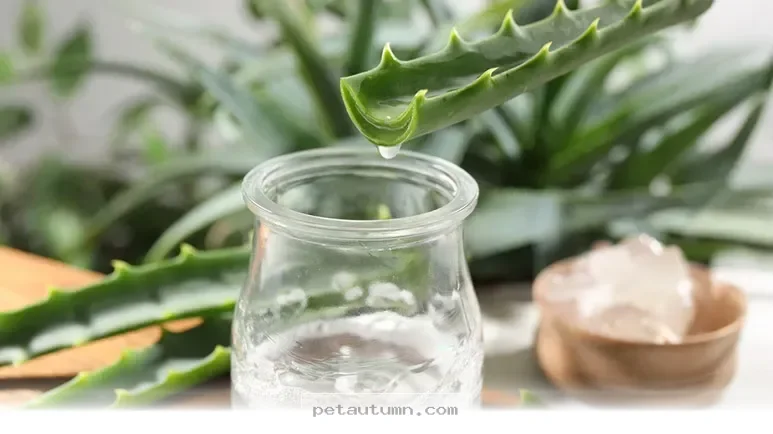
An aloe leaf contains two very different substances that behave in opposite ways. The clear inner gel is where the healing properties reside, providing hydration and anti-inflammatory benefits.
The yellow layer located just under the outer skin is known as latex. This layer contains anthraquinones that act as a strong laxative and can cause severe cramping, electrolyte loss, and diarrhea in your dog.
The Comparison Table: Inner Gel vs. Outer Latex
| Feature | Clear Inner Gel | Yellow Latex Layer |
|---|---|---|
| Safety | Generally safe for topical/oral use | Caution: Potential toxin |
| Primary Use | Soothing skin, hydration | Strong laxative effect |
| Texture | Clear, viscous, water-based | Yellow, bitter, sap-like |
| Effect on Dogs | Calming and anti-inflammatory | Causes digestive distress |
If you decide to harvest your own gel, you must carefully fillet the leaf to ensure no yellow residue remains. For most pet parents, purchasing a high-quality, latex-free, and organic aloe gel is the most reliable way to ensure safety.
Topical Benefits for Skin and Paws
The most common way to use aloe is by applying it directly to the skin. Since dogs often deal with environmental allergens and seasonal irritations, having a natural, cooling remedy on hand can be a great addition to your grooming kit.
1. Relief for Irritated Skin
When your dog is dealing with hot spots, rashes, or bug bites, the cooling sensation of aloe provides immediate comfort. It works by stimulating blood flow to the affected area while reducing redness and swelling.
2. Healing Cracked Paws and Noses
Dry, cracked paws and noses are common during harsh winter months or hot, dry summers. Gently massaging a small amount of pure gel into these areas can restore moisture without leaving a greasy or sticky residue behind.
3. Antimicrobial Properties
Aloe naturally possesses antibacterial and antifungal qualities. This helps create a protective barrier on minor cuts or abrasions, which can be helpful if your dog tends to be adventurous during your daily walks.
Supporting Internal Wellness
Beyond the skin, some pet parents use internal supplementation to support their dog’s overall health. However, you should never start an internal regimen without first checking with your veterinarian to ensure it is appropriate for your dog’s specific needs.
1. Digestive Health
Aloe contains enzymes and high water content that can support gut motility. It is sometimes used to soothe mild stomach upset or help maintain a healthy intestinal lining by encouraging natural mucus secretions.
2. Managing Inflammation
The anti-inflammatory compounds in aloe, such as acemannan, may provide support for dogs experiencing joint discomfort. By addressing systemic inflammation, it can contribute to a more comfortable, active lifestyle for your senior dog.
3. Suggested Dosing Tips
If your veterinarian gives you the green light, consistency is key.
- Start with a very small amount to monitor for any digestive sensitivity.
- A common starting point is roughly 1/4 teaspoon per 10 pounds of body weight.
- Mix the gel thoroughly into their food to ensure they consume it easily.
- Watch for any changes in stool consistency as you introduce it.
The information on petautumn.com is for general informational purposes only and does not constitute veterinary advice. Pet health needs vary by breed, age, and individual condition. Always consult a licensed veterinarian before making decisions about your pet’s health, diet, or medical treatment. Pet Autumn is not affiliated with any veterinary organization, pet food manufacturer, or breeder.
Always remember that your veterinarian is the best resource for tailoring these natural options to your dog’s unique lifestyle. Because individual sensitivities vary, observing your dog closely after applying or feeding any new substance is the best way to ensure they feel their absolute best.
Whether you are using it to soothe a bug bite or to support their gut health, keeping it simple and pure is always the right path. With the right precautions, this ancient plant can remain a trusted staple in your pet care toolkit for years to come.

Dog care writer at petautumn.com. Visual Communication Design graduate (S.Ds) from Universitas Udayana. Covers dog breeds, behavior, training, and gear reviews. Dog dad to Meepo. Based in Austin, Texas.