Written by Kadek Darma
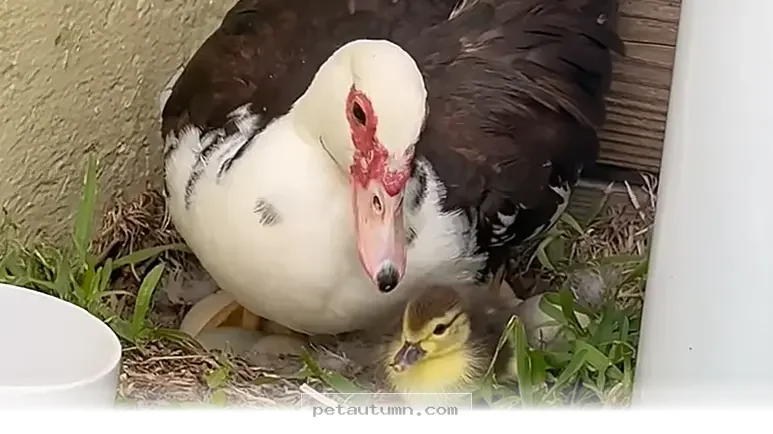
Nature often surprises us with bonds that defy our expectations of wild animals. We recently came across a heartwarming story about a wild mama duck who discovered a unique way to keep her only duckling, Buddy, safe and sound.
She realized her human neighbors were kind, reliable, and perfectly suited for a bit of daily babysitting. It is a fascinating example of how trust can bridge the gap between humans and the natural world right in our own backyards.
- Wild animals sometimes exhibit surprising trust when they feel secure in their environment.
- Building a peaceful backyard sanctuary can encourage local wildlife to visit safely.
- Human interaction with wildlife should always prioritize the animal’s natural instincts.
- Observing nature provides deep insights into animal behavior and maternal care.
Understanding Wildlife Interactions
When we talk about wild animals like ducks, it is vital to remember they are not domestic pets. Even when they seem comfortable, they are still living by their own survival rules.
Watching a duck entrust her offspring to humans is a rare and special event. It shows how animals recognize safe spaces when they are seeking protection from predators or harsh conditions.
1. Recognizing Natural Behaviors
Ducks are incredibly attentive parents, but they also need time to forage for food. If a mother senses that a specific area is free from threats, she might feel confident enough to leave her duckling for short periods.
This behavior is not about abandonment but rather a strategic move to keep her baby safe. By leaving the duckling in a familiar, quiet spot, she ensures he remains sheltered while she handles her own daily chores.
2. Creating a Welcoming Backyard
If you want to invite birds into your yard, you must focus on safety first. A bird-friendly environment starts with clean water, natural shelter, and freedom from roaming cats or dogs.
You should never force an interaction or try to handle a wild duckling. If you find yourself in a situation where wildlife seems to be seeking your presence, keep your distance and observe quietly.
| Interaction Type | Recommended Approach |
|---|---|
| Observation | Maintain a distance of at least 20 feet. |
| Habitat Support | Provide fresh water and native plants. |
| Direct Contact | Avoid touching or feeding human food. |
Keeping Wildlife Safe
Providing a safe space means keeping your own pets indoors when wild visitors are around. A calm, quiet environment is the best gift you can offer to a mother duck and her young.
When you see a wild animal, it is best to act like a neutral part of the landscape. Your presence should be invisible to ensure they maintain their natural caution around other humans.
1. Signs of a Healthy Duckling
- Active and alert behavior.
- Clear, dry eyes and nostrils.
- Strong, balanced movement while walking.
- Natural tendency to follow the mother.
2. When to Call for Help
Sometimes, a duckling may genuinely need assistance if they are injured or clearly orphaned. If you notice signs of distress, such as lethargy, visible wounds, or the absence of a parent for an extended period, contact a local wildlife rehabilitator.
You can find resources through the ASPCA or your regional department of natural resources to get the right guidance. Professional help ensures that the animal receives the correct care without becoming overly habituated to humans.
The information on petautumn.com is for general informational purposes only and does not constitute veterinary advice. Pet health needs vary by breed, age, and individual condition. Always consult a licensed veterinarian before making decisions about your pet’s health, diet, or medical treatment. Pet Autumn is not affiliated with any veterinary organization, pet food manufacturer, or breeder.
Witnessing a story like Buddy’s reminds us that nature has a rhythm of its own. By respecting these boundaries, we allow animals to thrive in their natural state while enjoying the beauty of their presence in our lives.
Whether you are a casual birdwatcher or a dedicated nature enthusiast, these small moments add so much joy to our daily routines. Continue to provide a safe, respectful environment for all the creatures that wander into your care.
Dog care writer at petautumn.com. Visual Communication Design graduate (S.Ds) from Universitas Udayana. Covers dog breeds, behavior, training, and gear reviews. Dog dad to Meepo. Based in Austin, Texas.