Written by Kadek Darma
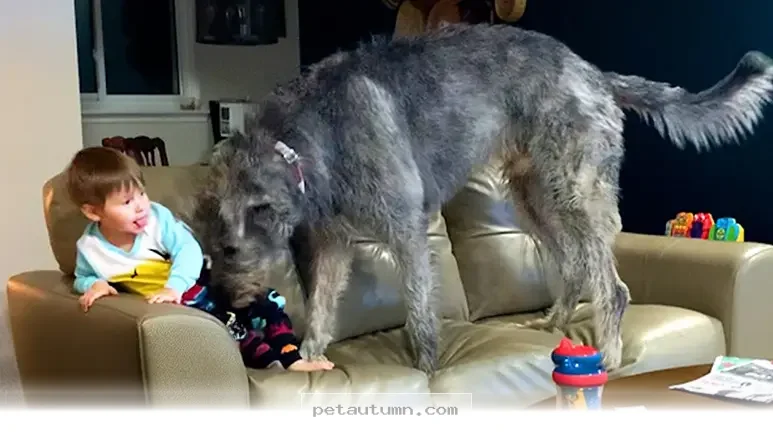
If you have ever shared your home with a giant breed dog, you already know the hilarious irony of the "lap dog" phenomenon. Despite their massive frames and heavy paws, these gentle giants often seem completely unaware of their own size, choosing your legs as their favorite place to rest.
Watching a hundred-pound dog try to curl into a tiny ball on the sofa is truly one of life’s simple joys. Whether you own a Great Dane, a Mastiff, or a Saint Bernard, you have likely found yourself pinned under a very large, very loving canine friend at least once.
Key Takeaways
- Large breeds often seek physical contact to feel secure and connected to their owners.
- Providing ample space for these dogs is vital for their physical comfort and joints.
- Gentle giants frequently display calm, patient behaviors around smaller pets and children.
- Proper training from a young age ensures that their size does not become a management issue.
- Understanding canine body language helps you recognize when your dog is simply showing affection.
Understanding the Gentle Giant Mentality
Many large dog owners find that their pets act like oversized puppies throughout their entire lives. This behavior often stems from a deep desire for companionship and a natural instinct to remain close to their pack members.
Transitioning from a puppy to a massive adult can happen quickly, but their personality remains consistent. Even as they grow into their adult size, they maintain that same playful and affectionate spirit you fell in love with when they were small.
1. Why They Think They Are Small
Big dogs often perceive themselves as small because they were carried or cuddled during their formative puppy months. This early bonding creates a permanent association between physical closeness and safety in their minds.
When they grow up, they simply continue the behavior they learned as youngsters. They do not realize that their weight has changed, and they still view your lap as the ultimate spot for relaxation.
2. Behavioral Traits of Large Breeds
Understanding what makes these dogs tick can help you better manage their affectionate nature. While every dog is unique, many gentle giants share a set of common personality traits that define their interactions with humans.
- High Affection Levels: They thrive on physical touch and verbal praise.
- Patient Demeanor: Large breeds are often slower to anger and very tolerant.
- Protective Instincts: They act as natural guardians while remaining gentle with family.
- Need for Social Interaction: They hate being left alone and prefer being in the same room.
Managing Life with a Heavyweight Companion
While it is adorable to have a giant dog wanting to snuggle, you must maintain boundaries for the safety of both parties. A dog that is too eager to climb onto your lap can accidentally cause minor injuries or damage furniture.
You can encourage their affectionate nature while teaching them that "cuddles" look different as they get older. Redirecting them to a large, comfortable floor bed right next to your chair allows them to be close without the weight pressing on your legs.
Comparing Breed Characteristics
| Breed | Typical Weight | Energy Level | Personality Trait |
|---|---|---|---|
| Great Dane | 110-175 lbs | Moderate | Gentle & Sensitive |
| Mastiff | 120-230 lbs | Low | Calm & Protective |
| Saint Bernard | 120-180 lbs | Low | Patient & Loving |
| Newfoundland | 100-150 lbs | Moderate | Sweet & Friendly |
Note: The table above reflects general breed standards. Individual dogs vary significantly based on their unique environment and history.
3. Essential Gear for Your Big Friend
If you are welcoming a giant breed into your home, you will need to invest in gear that supports their stature. From durable beds to heavy-duty accessories, being prepared makes life much easier for both of you.
- Orthopedic Memory Foam Bed: Essential for supporting heavy joints as they age.
- Extra-Large Water Bowls: Large breeds tend to drink more and need deeper basins.
- Heavy-Duty Leash: A sturdy leash provides better control during your daily walks.
- Large Breed Grooming Tools: Shedding can be significant, so invest in high-quality brushes.
Maintaining a Happy Relationship
Living with a large dog requires a commitment to their specific health and social needs. Always prioritize their comfort by ensuring they have plenty of room to move around the house freely.
For more detailed information on large breed care, you can visit the American Kennel Club for breed-specific guidance. Keeping them active and mentally stimulated will prevent them from becoming bored, which often leads to unwanted behaviors.
The information on petautumn.com is for general informational purposes only and does not constitute veterinary advice. Pet health needs vary by breed, age, and individual condition. Always consult a licensed veterinarian before making decisions about your pet’s health, diet, or medical treatment. Pet Autumn is not affiliated with any veterinary organization, pet food manufacturer, or breeder.
At the end of the day, having a gentle giant in your life is a privilege that comes with plenty of slobber and heavy sighs. They may take up the entire couch, but their unconditional love makes every inch of space well worth it.
Cherish those quiet moments on the floor when your giant friend rests their head on your shoulder. These bonds are what make life with a dog truly special and rewarding for years to come.

Cat care writer at petautumn.com. English Literature graduate (S.S) from Universitas Udayana. Covers cat breeds, behavior, nutrition, grooming, and health. Cat mom to Luna and Lina. Based in Austin, Texas.