Written by Kadek Darma
Sharing your dinner with a furry friend can be a delightful bonding experience. When you choose the right ingredients, you provide a nutritional boost that supports long-term health and vitality.
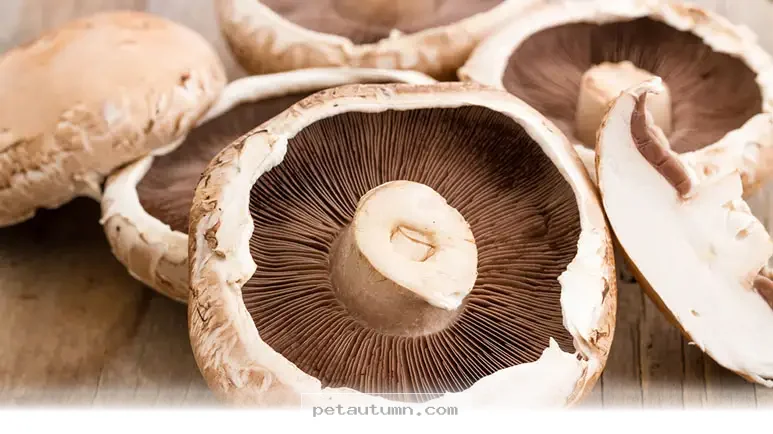
Portobello mushrooms are a fantastic example of a meaty superfood that you can safely share with your pets. They are packed with antioxidants that may help your dog thrive by supporting immune function and protecting mitochondrial health.
Key Takeaways
- Portobello mushrooms contain powerful antioxidants like glutathione, often called the master antioxidant.
- These mushrooms are rich in polysaccharides that act as natural immunomodulators.
- Ergothioneine found in portobellos is frequently referred to as the longevity vitamin.
- Always choose organic, spray-free mushrooms to avoid exposing your pet to harmful pesticides.
- Only feed your pet mushrooms that are safe for human consumption and purchased from reliable grocery stores.
Understanding the Portobello Mushroom
Many pet owners hesitate to share mushrooms due to lingering myths about toxicity. It is important to recognize that all mushrooms sold for human consumption in grocery stores are perfectly safe for your pets to enjoy in moderation.
These mushrooms offer a dense, chewy texture and a savory flavor profile known as umami. Because they are low in calories but high in essential nutrients like copper, selenium, and B vitamins, they make a nutrient-dense treat for your canine companion.
The Science of Nutritional Benefits
The health profile of a portobello is impressive, largely because these fungi act as sponges for organic matter. This allows them to accumulate a variety of beneficial compounds that support your dog’s internal systems.
1. The Power of Glutathione
Glutathione is a critical antioxidant found in portobello mushrooms that performs vital tasks within the body. It plays a significant role in supporting liver function, repairing damaged tissues, and protecting the mitochondria from oxidative stress.
2. Longevity Support
You might be interested to know that portobellos contain a unique amino acid called ergothioneine. Often dubbed the longevity vitamin, this compound helps inhibit cellular damage associated with the aging process.
3. Immune System Modulation
Portobellos are loaded with bioactive polysaccharides, specifically beta-glucans. These compounds act as immunomodulators, which help stimulate your dog’s immune response to keep them feeling their best.
Comparison of Mushroom Varieties
It is helpful to understand that white button, cremini, and portobello mushrooms are actually the same species at different stages of growth. The flavor intensity changes as they mature, but their nutritional foundation remains similar.
| Mushroom Variety | Maturity Level | Flavor Intensity | Best Use |
|---|---|---|---|
| White Button | Young | Mild | Raw or cooked |
| Cremini | Intermediate | Balanced | Sautéed or roasted |
| Portobello | Mature | Deep/Rich | Grilling or stuffing |
Integrating Mushrooms into Your Dog’s Diet
If you want to introduce this superfood to your dog, you must prioritize safety and preparation. Never feed your dog mushrooms that you have found in the wild, as some species can be extremely dangerous.
Steps to Safely Serve Portobellos
- Source wisely: Always buy certified organic, spray-free mushrooms to ensure they are free from chemical fertilizers or pesticides.
- Clean thoroughly: Gently wipe or rinse the mushrooms to remove any dirt or debris before you begin cooking.
- Cook completely: Raw mushrooms can be difficult for dogs to digest, so always cook them thoroughly to break down their tough cell walls.
- Keep it simple: Avoid adding onions, garlic, salt, or oils when cooking the mushrooms, as these common kitchen ingredients can be harmful to dogs.
- Start small: Offer a small amount first to ensure your dog tolerates the new treat well before increasing the portion size.
A Note on Conjugated Linoleic Acid
Portobellos also provide conjugated linoleic acid, or CLA, which has been studied for its potential health benefits. Research suggests that this fatty acid may assist with weight management in companion animals.
By helping to enhance fatty acid oxidation, CLA can be a helpful tool for keeping your dog at a healthy, lean weight. It is just another reason why this humble mushroom is a valuable addition to a balanced canine diet.
The information on petautumn.com is for general informational purposes only and does not constitute veterinary advice. Pet health needs vary by breed, age, and individual condition. Always consult a licensed veterinarian before making decisions about your pet’s health, diet, or medical treatment. Pet Autumn is not affiliated with any veterinary organization, pet food manufacturer, or breeder.
Adding a little variety to your dog’s diet through nutrient-rich vegetables and fungi can provide them with a wealth of health benefits. When you prepare these treats at home, you have complete control over the quality of the ingredients.
Keep your kitchen stocked with organic produce, and your dog will certainly thank you for the extra attention to their bowl. With proper preparation, you can safely enjoy the benefits of this versatile superfood together.

Cat care writer at petautumn.com. English Literature graduate (S.S) from Universitas Udayana. Covers cat breeds, behavior, nutrition, grooming, and health. Cat mom to Luna and Lina. Based in Austin, Texas.