Written by Kadek Darma
It is often called the silent killer because it can hide inside your pet’s heart and lungs while doing its dirty work with almost no warning signs. Many owners believe they have a perfectly healthy companion until a sudden health crisis reveals the truth.
The tragic story of Minnie, a sweet French bulldog, serves as a sobering reminder of how hidden parasites can compromise a pet’s health. Knowing the risks and symptoms is the best way to protect your furry friend from these dangerous intruders.
Key Takeaways
- Lungworms infect the respiratory tracts of dogs and cats through contact with intermediate hosts.
- Pets that roam outdoors, hunt, or drink from standing water face the highest risk.
- Infections can remain asymptomatic, making regular veterinary checkups vital for early detection.
- Understanding local environmental risks helps you take proactive steps to safeguard your pet.
- Clinical signs often involve coughing, lethargy, or unexplained bleeding due to clotting issues.
Understanding the Lungworm Threat
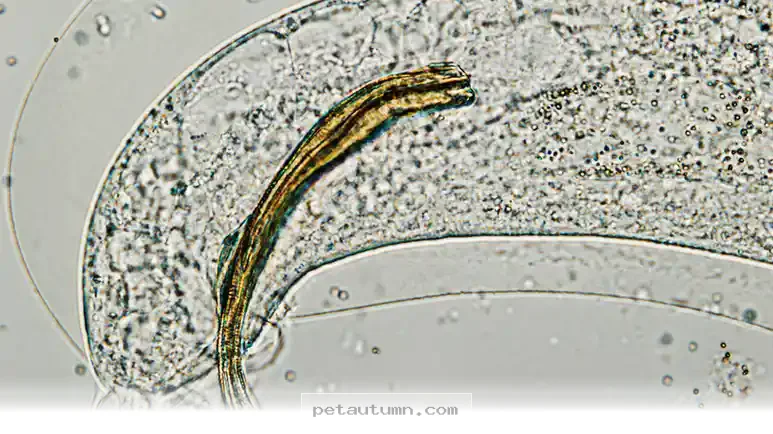
Lungworms are parasitic worms that establish themselves within the respiratory systems of dogs and cats. These organisms travel through the body to reach the lungs and trachea, where they mature and reproduce.
While several species exist, some types are specific to dogs, while others target cats or even both species. Because these parasites can compromise heart function and blood clotting, they represent a serious health challenge for pets.
1. How Pets Become Exposed
Infection usually happens when your pet interacts with the environment or other animals carrying the parasite. The lifecycle of the worm often involves intermediate hosts like snails, slugs, or even small prey animals.
- Hunting: Cats that hunt birds or rodents are at a higher risk of ingesting infected hosts.
- Contaminated Water: Dogs drinking from stagnant ponds or puddles may swallow larvae present in the water.
- Direct Contact: Puppies can occasionally contract certain tracheal worms directly from their mother.
- Wildlife Interaction: Coming into contact with feces from wildlife, such as raccoons, can lead to accidental exposure.
2. Identifying Common Symptoms
Because these worms reside deep in the respiratory tract, you might not notice anything wrong until the parasite burden is significant. Keeping a close eye on your pet’s behavior is essential for catching problems early.
- Persistent, dry coughing or wheezing
- Unexplained lethargy or reduced energy levels
- Sudden exercise intolerance during walks or play
- Unexpected bleeding or difficulty clotting from minor scrapes
- Nosebleeds or bleeding into the eyes
- Noticeable weight loss without a change in diet
3. Comparison of Risk Factors
Understanding where your pet is most likely to encounter these parasites helps you manage their outdoor time effectively.
| Activity Level | Risk Level | Recommendation |
|---|---|---|
| Strictly Indoor | Low | Keep current routine |
| Supervised Leash Walks | Moderate | Avoid standing water |
| Free-Roaming Outdoors | High | Consult your veterinarian |
4. Diagnostic Procedures
If you suspect your pet has been exposed, your veterinarian will likely perform a thorough physical examination. This typically involves listening to the chest for abnormal sounds and assessing your pet’s general vitality.
Diagnostic tools often include:
- A complete blood count to check for signs of infection or anemia.
- Chest X-rays to visualize the lungs for inflammation or structural changes.
- Fecal examinations to identify parasitic larvae or eggs.
- Medical history review to track potential environmental exposures.
5. Management and Prevention
Reducing exposure is the most effective way to keep your pet safe from lungworm. Since many of these parasites thrive in moist environments, limiting access to snail or slug-heavy areas is a great starting point.
- Clear away toys or bowls left outside to avoid attracting slugs or snails.
- Prevent your dog from drinking from decorative ponds or stagnant puddles.
- Maintain a clean yard to discourage wildlife from visiting.
- Speak with your veterinarian about local prevalence to see if specialized screening is recommended.
Taking these simple, common-sense measures will significantly decrease the chances of your pet encountering a dangerous parasite. Your proactive attention is truly the best defense against these silent threats.
The information on petautumn.com is for general informational purposes only and does not constitute veterinary advice. Pet health needs vary by breed, age, and individual condition. Always consult a licensed veterinarian before making decisions about your pet’s health, diet, or medical treatment. Pet Autumn is not affiliated with any veterinary organization, pet food manufacturer, or breeder.
Always keep a close watch on your pet’s breathing patterns and activity levels, as these are often the first indicators of a health change. If you notice persistent coughing or unusual bleeding, seek professional care immediately.
Building a strong partnership with your local veterinarian is the best way to navigate these risks. With regular checkups and a safe environment, you can ensure your companion enjoys a long, healthy life by your side.

Dog care writer at petautumn.com. Visual Communication Design graduate (S.Ds) from Universitas Udayana. Covers dog breeds, behavior, training, and gear reviews. Dog dad to Meepo. Based in Austin, Texas.