Written by Kadek Darma
Your dog is having the absolute best time during your afternoon walk. They are sprinting through the grass, sniffing every bush, and enjoying the warm sunshine, but those same outdoor adventures often bring them into contact with biting insects.
While most summer bug bites are nothing more than a minor annoyance that fades within a day, some can turn into a serious health concern. Knowing how to recognize a simple sting versus a reaction that requires professional help will give you peace of mind all summer long.
Key Takeaways
- Most bites cause mild itching or redness, but watch for signs of a severe allergic reaction like facial swelling or difficulty breathing.
- If you find a bee stinger, scrape it out gently with a credit card rather than squeezing it with tweezers.
- Apply a cool compress to the affected area for 10 to 15 minutes to help manage local swelling and discomfort.
- Never use human medications or creams on your dog, as many contain ingredients that are toxic if ingested through licking.
- Seek immediate veterinary care if your dog experiences vomiting, pale gums, collapse, or swelling inside the mouth or throat.
The Usual Suspects and Warning Signs
Dogs spend their lives nose-to-the-ground, which puts them in the direct path of crawling and flying pests. From the common mosquito to the occasional wasp, your pup is a prime target for these seasonal nuisances.
Identifying the culprit can be difficult because many bites look identical at first glance. Watch your dog closely for these common indicators of a bug encounter:
- Red, raised bumps or hives on the skin.
- Sudden, obsessive licking or chewing at a specific spot.
- Localized swelling, especially around the muzzle or paws.
- Unexplained limping or favoring one leg after a walk.
- Restlessness, whining, or sudden yelping during play.
Understanding Common Bites
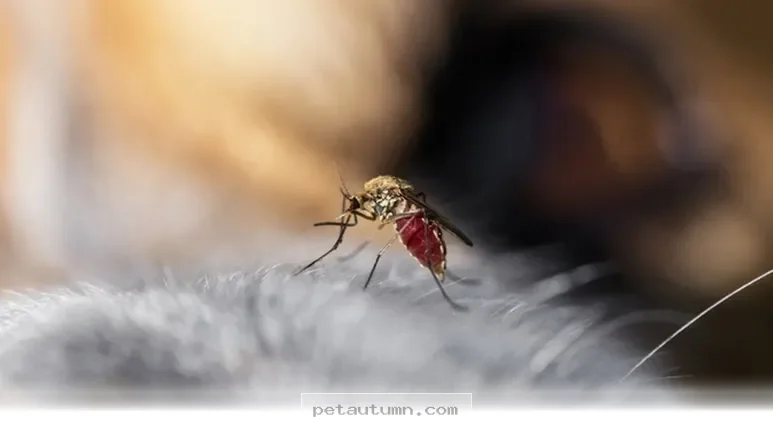
Mosquitoes are perhaps the most frequent offenders during the humid summer months. While the bites themselves are usually just itchy, they can transmit heartworm disease, making heartworm prevention an essential part of your seasonal routine.
Fleas are another constant challenge that can lead to significant skin irritation. Some dogs develop flea allergy dermatitis, where even a single bite triggers an intense, full-body itch.
| Bug Type | Primary Symptom | Action Required |
|---|---|---|
| Mosquito | Small red bump | Monitor for itch |
| Flea | Persistent scratching | Flea treatment |
| Spider | Puncture/Pain | Consult your vet |
| Wasp/Bee | Acute swelling | Emergency care |
1. How to Handle a Bee or Wasp Sting
If your dog yelps and starts pawing at their face, they may have been stung by a bee or wasp. Stings are often painful and can cause rapid swelling, so your immediate reaction matters.
First, stay calm and keep your dog quiet to prevent the spread of venom through their system. Check the area for a visible stinger, which is common with honey bees.
Use a credit card or your fingernail to gently scrape the stinger out of the skin. Avoid using tweezers, as squeezing the stinger can accidentally inject more venom into your dog.
Apply a cold compress or an ice pack wrapped in a towel for 10 to 15 minutes. This simple step helps constrict blood vessels and reduce inflammation.
Keep a close eye on your dog for the next few hours to ensure the swelling does not spread. If the sting occurred inside the mouth or throat, get to an emergency clinic immediately, as swelling can quickly obstruct their airway.
2. Managing Mild Irritation at Home
For minor bug bites that cause itching but no systemic signs of illness, you can usually keep your dog comfortable with basic care. Focus on preventing them from damaging their skin through constant scratching or licking.
Ensure their bedding is kept clean and consider a light, breathable recovery cone if they cannot stop bothering the site. Avoid using human antihistamines or topical creams unless specifically directed by your veterinarian, as many common household products are dangerous to pets.
Stick to natural methods like cool, damp cloths to soothe the heat of an itchy spot. If the redness seems to be spreading or if you notice oozing or a foul smell, it is time to call your vet.
The information on petautumn.com is for general informational purposes only and does not constitute veterinary advice. Pet health needs vary by breed, age, and individual condition. Always consult a licensed veterinarian before making decisions about your pet’s health, diet, or medical treatment. Pet Autumn is not affiliated with any veterinary organization, pet food manufacturer, or breeder.
Most bug bites will resolve on their own with a little bit of watchful waiting and patience. By staying observant during your daily walks, you can ensure that a small encounter with nature does not turn into a major medical emergency.
If you ever feel unsure about your dog’s reaction, it is always safer to err on the side of caution. A quick phone call to your veterinary office can provide you with the professional guidance needed to keep your companion happy and healthy.

Cat care writer at petautumn.com. English Literature graduate (S.S) from Universitas Udayana. Covers cat breeds, behavior, nutrition, grooming, and health. Cat mom to Luna and Lina. Based in Austin, Texas.