Written by Kadek Darma
Rescuing a dog from a difficult situation is an act of pure kindness that often changes your life just as much as theirs. When you bring home a pet with special needs, you might feel a little nervous about how they will adapt to their new environment.
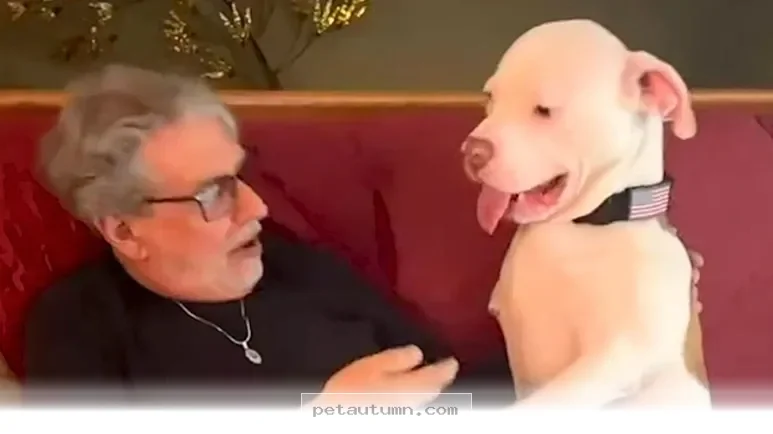
Donnie is a remarkable example of how a pup can overcome significant obstacles and thrive with the right love and care. Despite losing a limb after a tragic accident, this resilient dog blossomed into a therapy animal who brings comfort to everyone he visits.
Key Takeaways
- Three-legged dogs, often called tripods, typically adapt quickly to their new mobility levels.
- Providing a safe home environment helps your dog build confidence after a major life change.
- Consistent physical activity keeps your dog’s remaining joints healthy and strong.
- Therapy work can provide incredible mental stimulation and purpose for dogs with unique backgrounds.
- Always prioritize professional guidance when managing the long-term health of an amputee dog.
Understanding Life as a Tripod Dog
Many people worry that a dog with three legs will struggle to keep up with the demands of daily life. The truth is that most dogs are incredibly resilient and learn to navigate their world with surprising grace.
Moving from four legs to three is a significant transition, but your dog’s body is designed to compensate for the loss. With a little patience and a few adjustments to your home, you will see your companion running and playing in no time.
1. Preparing Your Home for Success
Adjusting your living space is one of the most helpful things you can do for your new tripod. Focus on reducing strain on your dog’s remaining limbs by minimizing the need for repetitive jumping.
- Use pet ramps to help your dog reach sofas or cars safely.
- Place non-slip mats on hardwood or tile floors to provide better traction.
- Keep common areas free of clutter to prevent accidental trips or falls.
- Ensure your dog’s bed is easily accessible without requiring them to climb stairs.
2. Monitoring Joint Health
Because your dog carries their weight differently now, keeping a close eye on their physical comfort is vital. You should consult with your veterinarian to establish a baseline for your dog’s activity levels.
| Potential Challenge | Why It Matters | How to Manage |
|---|---|---|
| Joint Wear | Uneven weight distribution | Use joint supplements and low-impact exercise |
| Weight Gain | Excess weight stresses joints | Follow a strict, veterinarian-approved diet plan |
| Muscle Fatigue | Working harder to move | Allow frequent breaks during long walks |
3. Essential Supplies for Comfort
Investing in the right gear can make a world of difference for your dog’s comfort and mobility. Consider these items to support their daily adventures and long-term health.
- Orthopedic foam beds to provide superior joint support during rest.
- Harnesses with a handle to help you assist them when climbing steep inclines.
- High-quality joint support chews as recommended by your local American Kennel Club resources.
- Slip-resistant booties if your home has slippery flooring surfaces.
The Mental Benefits of Training and Play
Just because your dog has a physical difference does not mean they should miss out on the joys of training. Engaging their brain with puzzles and obedience training builds confidence and strengthens your bond.
Mentally stimulating activities are just as exhausting as physical ones, which is perfect for a dog that needs to pace their movement. When you teach your dog new tricks or commands, you are giving them a sense of achievement and purpose.
The information on petautumn.com is for general informational purposes only and does not constitute veterinary advice. Pet health needs vary by breed, age, and individual condition. Always consult a licensed veterinarian before making decisions about your pet’s health, diet, or medical treatment. Pet Autumn is not affiliated with any veterinary organization, pet food manufacturer, or breeder.
Watching your tripod dog conquer their daily challenges is a deeply rewarding experience for any owner. You will quickly find that they do not view themselves as limited, and soon enough, you will stop seeing the missing limb and only see their vibrant personality.
Whether you are just starting your journey with a rescue dog or you have been by their side for years, remember that your support is their greatest strength. Keep your home welcoming, stay active with your best friend, and celebrate every small victory together.
Dog care writer at petautumn.com. Visual Communication Design graduate (S.Ds) from Universitas Udayana. Covers dog breeds, behavior, training, and gear reviews. Dog dad to Meepo. Based in Austin, Texas.