Written by Kadek Darma
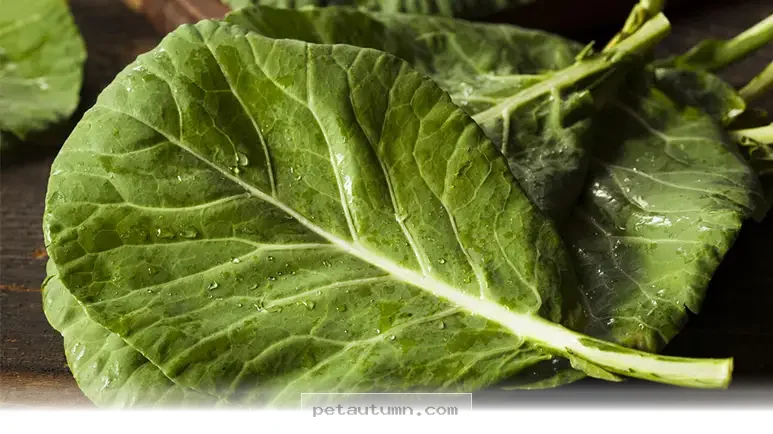
Collard greens have long been a beloved staple in kitchens, prized for their deep, earthy flavor and remarkable nutritional profile. If you have ever wondered whether this versatile leafy green could be a healthy addition to your pet’s bowl, the answer is a resounding yes.
When served in moderation, these nutrient-dense leaves can provide a wonderful boost to your dog’s diet. By understanding how to prepare them safely, you can introduce a new, vibrant veggie to your furry companion’s routine.
Key Takeaways
- Collards are rich in sulforaphane, a compound that may support your dog’s natural ability to manage inflammation and eliminate toxins.
- The lutein and zeaxanthin found in these greens can help protect your pet’s eyes from oxidative stress and support long-term vision health.
- Collards provide essential nutrients like vitamin A, vitamin K, and calcium, which are vital for bone strength and immune function.
- Because collards contain oxalates, they should be boiled before serving to reduce the risk of urinary issues in predisposed dogs.
- Always choose organic, pesticide-free collard greens to avoid exposing your pet to harmful chemical residues.
The Nutritional Power of Collard Greens
Cruciferous vegetables are celebrated for their health-promoting properties, and collards are certainly no exception to this rule. These greens are packed with bioactive compounds that function as tiny, natural defenders within your pet’s body.
One of the standout components in collards is sulforaphane. This powerful compound helps activate specific proteins that trigger a cascade of beneficial reactions, including natural antioxidant production and the clearing of environmental toxins.
Supporting Vision and Bone Health
Beyond basic nutrition, collards offer targeted support for some of your pet’s most vital systems. Their impressive levels of lutein and zeaxanthin are particularly noteworthy for maintaining eye health as your dog ages.
These antioxidants act like internal sunglasses, helping to shield the delicate tissues of the retina from light-induced damage. Furthermore, the presence of vitamin K and calcium ensures that your pet’s bones and blood-clotting functions receive the support they need.
1. Essential Nutrient Breakdown
To help you understand exactly what you are adding to your dog’s bowl, here is a breakdown of the key nutrients found in a small serving of collards:
| Nutrient | Benefit for Pets | Status |
|---|---|---|
| Vitamin A | Supports immune response and healthy vision | Positive |
| Vitamin K | Essential for blood clotting and bone density | Positive |
| Calcium | Vital for muscle contraction and nerve transmission | Positive |
| Oxalates | May contribute to bladder stones in sensitive dogs | Caution |
| Pesticides | Toxic residues from conventional farming | Warning |
How to Serve Collards Safely
Because collard greens are a bit fibrous, they are best served cooked to make them easier for your dog to digest. Boiling is the preferred method here, as it effectively softens the leaves while helping to reduce the naturally occurring oxalates.
Follow these simple steps to ensure you are preparing this veggie the right way:
- Source Carefully: Always look for organic, pesticide-free collard greens at your local market to keep your dog safe from chemical exposure.
- Wash Thoroughly: Even organic produce should be rinsed well under cool, running water to remove any lingering dirt or debris.
- Boil the Greens: Place the leaves in boiling water for a few minutes until they are soft, then drain the water away completely.
- Chop Finely: Once cooled, chop the leaves into small, bite-sized pieces that are easy for your dog to chew and swallow safely.
- Serve in Moderation: Treat these greens as a healthy, occasional topper rather than a primary food source for your pet.
As with any new food, it is always a good idea to watch for any changes in your pet’s behavior or digestion. If your dog has a history of bladder stones or other urinary tract sensitivities, you should consult your veterinarian before adding high-oxalate foods like collards to their diet.
The information on petautumn.com is for general informational purposes only and does not constitute veterinary advice. Pet health needs vary by breed, age, and individual condition. Always consult a licensed veterinarian before making decisions about your pet’s health, diet, or medical treatment. Pet Autumn is not affiliated with any veterinary organization, pet food manufacturer, or breeder.
Adding a small amount of boiled, organic collard greens to your pet’s meals can be a simple way to diversify their nutritional intake. The antioxidants and vitamins they provide are a wonderful way to show your dog some extra love.
Just remember that balance is key when it comes to healthy eating for pets. By keeping these treats as a supplement to a high-quality, species-appropriate diet, you can enjoy peace of mind while your furry friend enjoys a tasty, nutrient-packed snack.

Dog care writer at petautumn.com. Visual Communication Design graduate (S.Ds) from Universitas Udayana. Covers dog breeds, behavior, training, and gear reviews. Dog dad to Meepo. Based in Austin, Texas.