Written by Kadek Darma
You might recognize anchovies as a salty addition to pizza or a bold punch in a Caesar salad dressing. These tiny saltwater fish pack a surprising nutritional wallop that can benefit your furry friend just as much as they do humans.
If you are looking to introduce a healthy, flavor-filled treat to your pet’s diet, these little fish are an excellent choice. Before you head to the grocery store, it is helpful to understand how to select and serve them safely.
Key Takeaways
- Anchovies are a top-tier marine source of omega-3 fatty acids, specifically EPA and DHA.
- Their short lifespan means they have a lower risk of accumulating environmental toxins compared to larger fish.
- Only serve your pet unsalted, plain anchovies to avoid dangerous sodium levels or harmful additives.
- You can feed them as a healthy meal topper or a high-value training reward.
- Always consult your veterinarian before adding new, high-fat ingredients to a pet’s diet.
Understanding the Nutritional Power of Anchovies
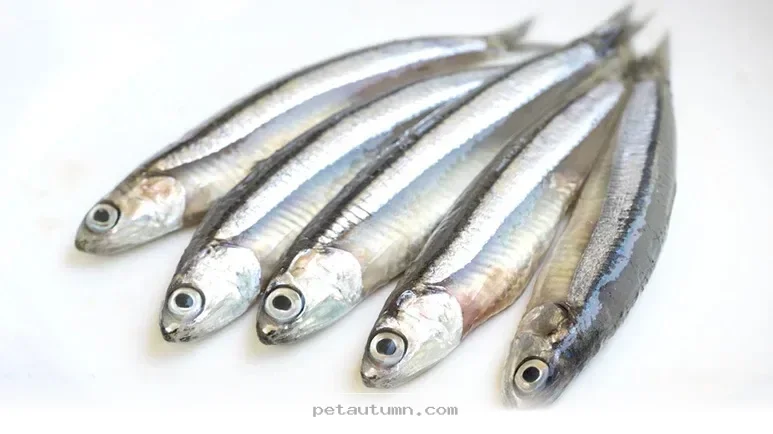
Anchovies belong to the Engraulidae family and typically measure between four to ten inches in length. Because they occupy a lower position on the food chain and have a very short lifespan, they do not live long enough to accumulate high levels of mercury or other environmental pollutants.
This makes them a cleaner, safer choice for supplementing your pet’s diet with essential healthy fats. Their dense concentration of nutrients provides a wonderful boost to your dog’s overall wellness when integrated correctly.
Why Omega-3s Are Essential for Pets
The primary reason to include these fish in your pet’s rotation is their rich content of EPA and DHA. These fatty acids are highly bioavailable, meaning your dog’s body can absorb and use them efficiently for various bodily functions.
Incorporating these fats can support several areas of your pet’s health:
- Inflammation Management: They help inhibit pathways that lead to chronic inflammation in the body.
- Skin and Coat: Many pet owners notice a shinier, softer coat after adding omega-3s to their dog’s routine.
- Heart Support: Healthy fats promote better cardiovascular function and help maintain proper blood pressure levels.
- Cognitive Health: Essential fatty acids are crucial for brain development in puppies and cognitive maintenance in older dogs.
Comparison: Anchovies vs. Other Fish
| Feature | Anchovies | Salmon | Sardines |
|---|---|---|---|
| Omega-3 Content | High | Very High | High |
| Mercury Risk | Very Low | Low | Very Low |
| Size | Tiny | Large | Medium |
| Flavor Intensity | Strong | Mild | Moderate |
Note: Always choose products packed in water or olive oil rather than soy or vegetable oils.
How to Safely Serve Anchovies to Your Dog
- Source the Right Product: Always buy fresh or canned anchovies packed in water or extra virgin olive oil. Never buy varieties packed in brine, salt, or soy oil, as these can be harmful to your pet.
- Check the Labels: Read the ingredient list carefully to ensure there are no added spices, garlic, or onions. These common pantry ingredients are toxic to dogs and must be avoided.
- Preparation Matters: If you are feeding fresh fish, lightly steam or cook them first to ensure safety. Alternatively, you can freeze fresh fish at -4°F for seven days before serving raw to kill potential parasites.
- Mind the Portions: Treat these as a nutritional topper rather than a full meal replacement. Start with a very small piece to ensure your dog tolerates the new protein well.
- Monitor for Reactions: Keep a close eye on your dog after their first taste to watch for any signs of digestive upset or allergic reactions.
Common Signs of Digestive Discomfort
- Vomiting
- Diarrhea
- Excessive gas
- Lethargy
- Itchy skin or ears
Transitioning your dog to new foods should always be done slowly to keep their tummy happy.
Considerations for Your Pet
While anchovies are packed with nutrients, they are also calorie-dense due to their fat content. If your dog is prone to weight gain or suffers from specific medical conditions like pancreatitis, it is best to discuss these additions with your veterinarian first.
Even healthy dogs benefit from moderation. Think of these fish as a special nutrient boost rather than a daily staple, ensuring your pet maintains a balanced and species-appropriate diet.
The information on petautumn.com is for general informational purposes only and does not constitute veterinary advice. Pet health needs vary by breed, age, and individual condition. Always consult a licensed veterinarian before making decisions about your pet’s health, diet, or medical treatment. Pet Autumn is not affiliated with any veterinary organization, pet food manufacturer, or breeder.
Adding a little bit of ocean goodness to your dog’s bowl can make mealtime much more exciting. Just remember to prioritize quality and keep an eye on those serving sizes to ensure your pet stays healthy and happy.
If you have questions about specific dietary requirements for your unique companion, your local vet is the best resource. They can help you determine the right frequency and amount for your dog’s specific age, size, and activity level.

Dog care writer at petautumn.com. Visual Communication Design graduate (S.Ds) from Universitas Udayana. Covers dog breeds, behavior, training, and gear reviews. Dog dad to Meepo. Based in Austin, Texas.