Written by Kadek Darma
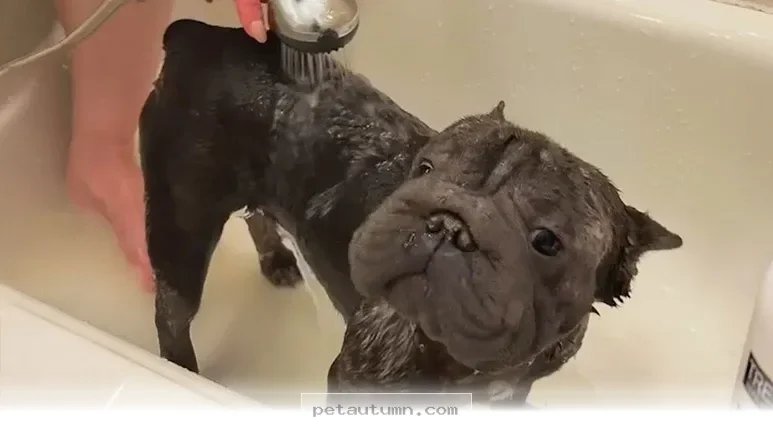
When Biggs first arrived, he was struggling to catch his breath. His sweet face was visibly swollen, and his quiet demeanor masked a very painful reality hidden beneath his fur.
It is heartbreaking to see a pup in such distress, but his story is a testament to the resilience of dogs. Through the kindness of a dedicated foster family, he found a path to healing and a life filled with love.
Key Takeaways
- Unethical breeding practices often lead to severe respiratory issues in flat-faced dog breeds.
- Recognizing the signs of breathing distress is vital for early veterinary intervention.
- Foster care plays a life-saving role in preparing rescued dogs for permanent homes.
- Providing a comfortable environment helps dogs recover from surgical or medical procedures.
Understanding Brachycephalic Health Issues
Many people are drawn to the adorable, squished faces of certain dog breeds without realizing the physical cost. These dogs are known as brachycephalic, meaning their skull shape is shorter than the average canine.
This anatomy often forces their soft tissues into a smaller space than they were meant to occupy. Consequently, these dogs frequently face significant challenges when trying to move air through their nasal passages and throat.
1. Common Signs of Respiratory Distress
If you own a flat-faced breed, you should stay vigilant for signs that your dog is working too hard to breathe. Watching for these symptoms can help you determine when to seek professional help:
- Heavy, labored breathing during light activity or rest.
- Excessive snoring or snorting sounds while sleeping.
- Frequent gagging or attempts to clear the throat.
- Blue-tinted gums or tongue, which indicate a lack of oxygen.
- Increased agitation or inability to settle down during hot weather.
2. The Impact of Poor Breeding
Unfortunately, some breeders prioritize specific physical traits over the overall health of the dog. This often results in narrowed nostrils and elongated soft palates that obstruct airflow.
These conditions make everyday tasks like playing, eating, or even sleeping a constant effort for the animal. Choosing a reputable breeder who prioritizes health testing is the best way to ensure your future companion avoids these struggles.
| Feature | Healthy Airway | Brachycephalic Concern |
|---|---|---|
| Nostril Size | Wide and open | Stenotic (pinched) |
| Soft Palate | Proper length | Elongated and obstructing |
| Energy Output | Sustainable | Easily fatigued |
| Heat Tolerance | Standard | Very poor/Risk of stroke |
Supporting a Dog Through Recovery
When a dog like Biggs undergoes medical procedures to improve their breathing, the recovery process is just as important as the surgery itself. You must create a quiet, temperature-controlled environment to help your pet heal.
Proper post-operative care minimizes stress and allows the body to repair the delicate tissues in the airway. Here are some essential tips for making their recovery as smooth as possible.
3. Steps for a Comfortable Recovery
- Restrict physical activity: Keep your dog calm and prevent jumping or rough play for several weeks.
- Monitor environmental temperature: Always keep the room cool, as heat increases the need for rapid panting.
- Use a harness: Switch from a collar to a harness to ensure there is zero pressure on the throat.
- Manage hydration and nutrition: Provide soft food if recommended by your vet to reduce the strain of chewing.
- Watch for signs of infection: Check the incision sites daily and report any unusual swelling or discharge.
You can learn more about general canine health and breed-specific concerns by visiting the American Kennel Club.
Managing these health challenges requires a team effort between you and your local veterinary clinic. Every small adjustment you make in your daily routine can significantly improve your dog’s quality of life.
The information on petautumn.com is for general informational purposes only and does not constitute veterinary advice. Pet health needs vary by breed, age, and individual condition. Always consult a licensed veterinarian before making decisions about your pet’s health, diet, or medical treatment. Pet Autumn is not affiliated with any veterinary organization, pet food manufacturer, or breeder.
Biggs’s journey shows us that with the right care, even dogs born with significant disadvantages can live happy lives. If you are considering adding a new pet to your family, research is your best tool.
By choosing to support ethical practices and staying informed about breed health, you are making a massive difference. Every dog deserves a chance to breathe easily and enjoy the warmth of a loving home.
Dog care writer at petautumn.com. Visual Communication Design graduate (S.Ds) from Universitas Udayana. Covers dog breeds, behavior, training, and gear reviews. Dog dad to Meepo. Based in Austin, Texas.