Written by Kadek Darma
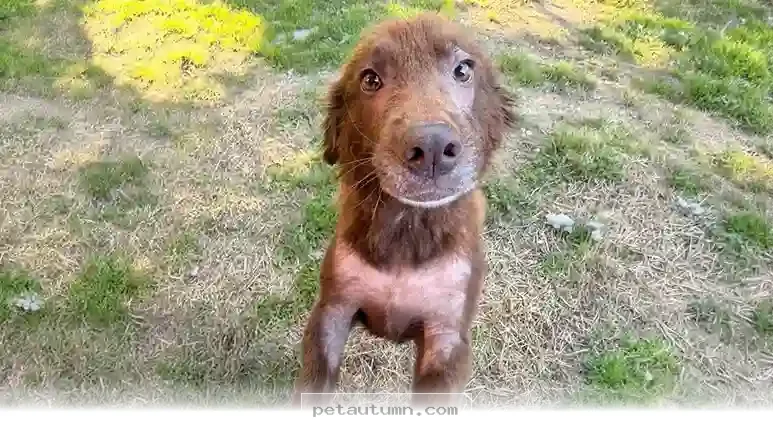
Imagine spending your entire life tethered to a single spot, watching the world move by while you remain anchored to a chain. For a sweet dog named Cinnamon, this was her reality for years, leaving her not only physically scarred but longing for the simple freedom most dogs take for granted.
When she was finally surrendered, her life transformed in the blink of an eye. Watching her take those first few tentative, joyful steps through the grass is a powerful reminder of how resilient our canine companions truly are.
Key Takeaways
- Chained dogs often suffer from severe physical wounds and psychological distress.
- The transition from confinement to freedom requires patience, love, and professional care.
- Rescued dogs show remarkable capacity for healing when provided with a safe environment.
- Observing a dog discover their ability to run freely is a life-changing experience for owners.
The Reality of Tethered Dogs
Many people do not realize the deep toll that constant chaining takes on a dog’s spirit and health. Beyond the obvious physical injuries from restrictive collars and lack of movement, these dogs often experience chronic anxiety and frustration.
When you bring a dog like Cinnamon into your home, you are not just providing a roof over their head. You are giving them the chance to rewire their understanding of the world and learn that they are finally safe.
| Aspect | Chained Living | Free-Roaming |
|---|---|---|
| Physical Health | High risk of injury | Better muscle tone |
| Social Interaction | Extremely limited | Healthy engagement |
| Mental State | High stress levels | Calm and secure |
Transitioning a dog from a life of isolation to a life of freedom requires a thoughtful approach to help them adjust.
Steps for Helping a Rescued Dog Adjust
- Create a quiet, secure space in your home where your dog can retreat when they feel overwhelmed.
- Introduce new movements slowly, allowing them to explore the yard at their own pace without pressure.
- Establish a consistent routine to build trust and show your dog that their needs will be met predictably.
- Work with a professional trainer who uses positive reinforcement to help your dog learn new, healthy behaviors.
- Provide plenty of soft bedding and safe toys to encourage comfortable, relaxed downtime after their runs.
Common Signs of Stress in Rescue Dogs
- Excessive pacing or inability to settle down
- Hesitance to enter open spaces
- Frequent hiding under furniture
- Reluctance to make direct eye contact
- Unusual reactivity to common household noises
If you are thinking about adopting, you can learn more about responsible pet ownership through resources like the American Kennel Club. Supporting a rescue dog is a beautiful journey that benefits both you and your new companion.
The Healing Power of Movement
It is truly heartwarming to see the physical transformation that happens when a dog finally learns they can run. For Cinnamon, that patch of grass became a sanctuary where she could finally stretch her legs and chase her own happiness.
The joy in her eyes serves as a testament to the fact that it is never too late to start over. Every dog deserves the chance to feel the wind in their fur and the grass beneath their paws.
The information on petautumn.com is for general informational purposes only and does not constitute veterinary advice. Pet health needs vary by breed, age, and individual condition. Always consult a licensed veterinarian before making decisions about your pet’s health, diet, or medical treatment. Pet Autumn is not affiliated with any veterinary organization, pet food manufacturer, or breeder.
Witnessing a rescue dog overcome their past is one of the most rewarding experiences a person can have. By offering your patience and love, you provide the foundation they need to leave the chain behind forever.
As you spend your afternoons watching your dog run freely, remember that you played a part in their healing process. Cherish those moments, for they represent the beautiful bond that only grows stronger with every passing day.
Dog care writer at petautumn.com. Visual Communication Design graduate (S.Ds) from Universitas Udayana. Covers dog breeds, behavior, training, and gear reviews. Dog dad to Meepo. Based in Austin, Texas.