Written by Ayu Pratiwi
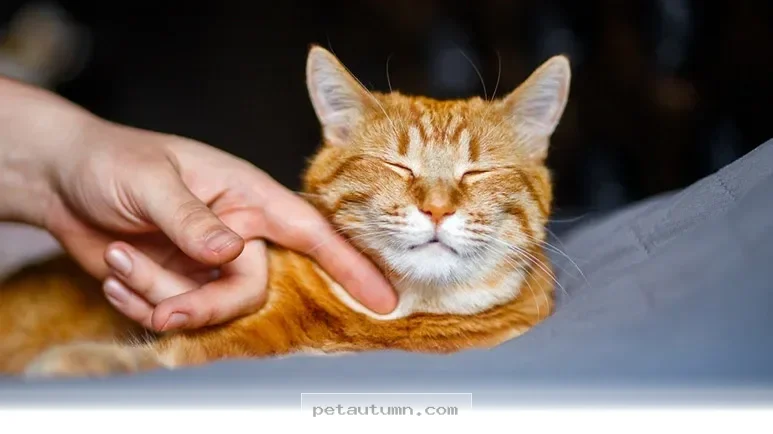
Your cat curls up on your lap, closes their eyes, and initiates that low, rhythmic rumble that feels like a tiny, furry engine of calm. It vibrates through your hands and settles your nervous system after a long day.
For many cat owners, this is where the story of the purr ends: cats purr when they are happy, and being purred on is one of life’s simple joys. However, researchers are uncovering evidence that the purr is far more than an expression of pleasure, as it may function as a sophisticated self-healing tool.
Key Takeaways
- Cats produce purrs by vibrating laryngeal muscles and the diaphragm at frequencies between 25 and 150 hertz.
- Purring occurs during times of stress, injury, or pain, suggesting a physiological self-repair mechanism rather than just emotional expression.
- Frequencies of 25 to 50 hertz are scientifically recognized for promoting bone density and fracture healing.
- The human-cat bond is enhanced by this vibration, which may help lower blood pressure and reduce stress levels for pet owners.
- Always consult your veterinarian if you notice a sudden, persistent change in your cat’s vocalization or behavior.
What a Purr Actually Is
A cat’s purr is a low-frequency sound produced by the rapid contraction and relaxation of the laryngeal muscles within the voice box. These muscles vibrate in sync with the diaphragm, creating a steady rumble that persists through both the inhale and exhale.
The frequency of a domestic cat’s purr typically falls between 25 and 150 hertz. This range is consistent enough to be felt as a physical sensation even when the sound itself is quite soft.
Why Cats Purr in Challenging Situations
It is a common misconception that cats only purr when they are content. Many cat owners have noticed their feline friends purring while they are stressed, frightened, or even in physical pain at the veterinary clinic.
When a cat is injured or recovering from a procedure, this rhythmic vibration may actually be helping them heal. By maintaining this frequency, the cat is potentially stimulating their own body’s repair processes while they rest and recover.
Understanding the Purr Spectrum
| Purr Type | Frequency Range | Potential Function |
|---|---|---|
| Contentment | 25–50 Hz | Social bonding and relaxation |
| Healing | 25–50 Hz | Bone density and tissue repair |
| Pain/Stress | 50–100 Hz | Self-soothing and pain management |
| Solicitous | 100–150 Hz | Triggering human caretaking instincts |
The Healing Power of Frequency
Bioacoustic research has shown that the frequencies found in a cat’s purr overlap with those used in human vibrational medicine. Clinicians often use these specific ranges to encourage the healing of muscles, joints, and soft tissues.
- Bone Regeneration: Vibrations between 25 and 50 hertz have been shown to stimulate bone density. This may explain why cats are less prone to common skeletal issues like hip dysplasia.
- Pain Relief: Higher harmonics near 100 hertz are often used to reduce swelling and manage chronic pain.
- Respiratory Support: The vibrations may help cats clear their airways and breathe more easily during periods of illness.
- Muscle Maintenance: Constant low-frequency stimulation helps maintain muscle tone while the cat is sedentary or sleeping.
This biological "vibrational therapy" likely provides a low-dose, consistent treatment that helps cats remain resilient throughout their lives. It is fascinating to think that while your cat is simply napping, they are also engaging in a form of physical maintenance.
How Your Cat Benefits You
The benefits of the purr are not limited to the feline species, as the soothing effect is often reciprocal. Sitting with a purring cat has been shown to help lower human blood pressure and reduce cortisol, which is the body’s primary stress hormone.
Research suggests that interacting with a purring pet can significantly lower the risk of cardiovascular stress in humans. Furthermore, cats often use a specific "solicitous" purr that mimics the frequency of a human baby’s cry, which naturally compels us to provide them with attention and care.
Tips for Enhancing Your Bond
- Spend quiet time daily allowing your cat to sit with you to facilitate natural bonding.
- Observe your cat’s purr patterns to recognize their unique way of communicating stress versus happiness.
- Ensure your home environment remains calm, as cats are highly sensitive to household tension.
- Provide comfortable, quiet spaces where your cat can retreat to rest and perform their natural "vibrational" self-care.
The information on petautumn.com is for general informational purposes only and does not constitute veterinary advice. Pet health needs vary by breed, age, and individual condition. Always consult a licensed veterinarian before making decisions about your pet’s health, diet, or medical treatment. Pet Autumn is not affiliated with any veterinary organization, pet food manufacturer, or breeder.
Understanding the complexity of your cat’s purr offers a new perspective on the time you spend together. That gentle vibration is more than just a sound; it is a complex biological signal that promotes wellness for both you and your feline companion.
The next time your cat settles onto your lap and begins to rumble, try to sit still and appreciate the science behind the moment. You are not just providing a warm spot for a nap; you are participating in a mutual exchange of comfort and health.

Cat care writer at petautumn.com. English Literature graduate (S.S) from Universitas Udayana. Covers cat breeds, behavior, nutrition, grooming, and health. Cat mom to Luna and Lina. Based in Austin, Texas.