Written by Kadek Darma
Walking through the produce section, you have likely noticed those bright, crunchy bell peppers sitting in the bin. They are not just a colorful addition to your own salad, but they can also be a wonderful, nutrient-dense snack for your canine companion.
If you are looking for a fresh way to spice up your dog’s bowl, these vibrant fruits offer more than just a satisfying crunch. Incorporating them into your pet’s routine is simple, provided you follow a few basic guidelines to ensure their safety and enjoyment.
Key Takeaways
- Bell peppers are rich in antioxidants like vitamin C, flavonoids, and carotenoids that support immune health.
- The nutritional profile changes based on color, with red peppers often containing the highest concentration of beneficial plant compounds.
- Always remove the stems and seeds before serving, as these parts can be difficult for your dog to digest.
- Start with small, bite-sized pieces to ensure your pet handles the texture well and does not experience any digestive upset.
The Nutritional Power of Bell Peppers
Bell peppers are part of the nightshade family and are technically classified as fruits. They pack a serious punch when it comes to supporting your dog’s wellness through natural, whole-food sources.
While dogs can synthesize their own vitamin C, adding a little extra through fresh vegetables can help neutralize free radicals. This provides a gentle boost to their overall antioxidant status and helps keep their bodies functioning at their best.
Comparing Pepper Colors
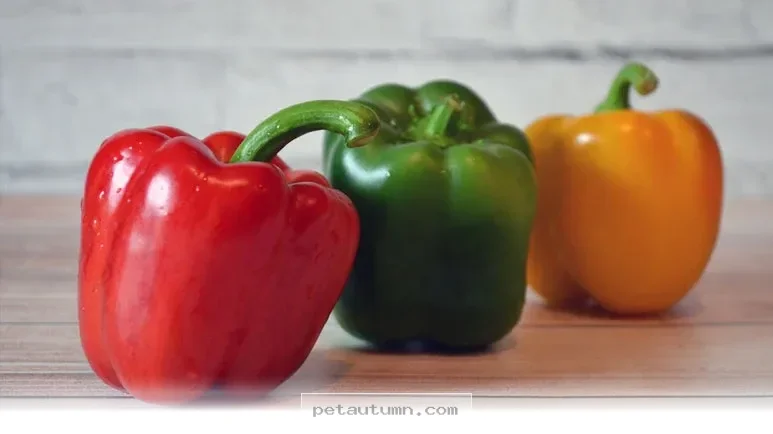
It is natural to wonder if one color is better than another for your furry friend. Each variety offers slightly different levels of beneficial compounds, making them all great choices in moderation.
| Pepper Color | Primary Benefit |
|---|---|
| Red | High in capsanthin and lycopene for anti-inflammatory support. |
| Yellow | Excellent source of flavonoids to support healthy aging. |
| Green | Highest levels of phenolic compounds, though slightly bitter. |
Understanding these differences helps you decide which variety might best suit your dog’s specific needs. You can even rotate them to provide a diverse range of nutrients over time.
How to Safely Serve Bell Peppers
When you decide to share this crunchy treat, preparation is the most important part. Follow these steps to keep your pet safe and happy.
1. Wash and Prep
Always wash the exterior of the pepper thoroughly to remove any pesticide residue or dirt. Use a clean knife to remove the top stem and all the internal seeds.
2. Check for Texture
Some dogs find the raw skin a bit tough to chew, especially smaller breeds or seniors. If you notice your dog struggling, try lightly steaming the pepper pieces first to soften them up.
3. Start Small
Introduce any new food slowly to see how your dog reacts. A few small cubes added to their regular kibble or raw meal is plenty to start.
4. Watch the Portion
Treats should only ever make up a small portion of your dog’s daily caloric intake. Use bell peppers as an occasional snack rather than a meal replacement.
Recognizing Potential Issues
While most dogs enjoy bell peppers without any trouble, every animal is different. Pay attention to how your pet behaves after trying a new food.
- Mild stomach upset or gas
- Reluctance to chew tougher skin
- Signs of an allergic reaction, such as itching or swelling
If you notice any unusual symptoms, stop feeding the peppers immediately. You can find more information on safe vegetable choices by visiting resources like the American Kennel Club.
Why Antioxidants Matter
The carotenoids and flavonoids found in peppers are essentially nature’s way of protecting cells from stress. These compounds play a vital role in supporting your dog’s long-term health.
By choosing colorful, fresh produce, you are providing building blocks for a strong immune system. It is a simple, effective way to show your pet some extra love while keeping their bowl exciting.
The information on petautumn.com is for general informational purposes only and does not constitute veterinary advice. Pet health needs vary by breed, age, and individual condition. Always consult a licensed veterinarian before making decisions about your pet’s health, diet, or medical treatment. Pet Autumn is not affiliated with any veterinary organization, pet food manufacturer, or breeder.
Adding a bit of color to your pet’s diet is a wonderful way to boost their nutrition. Whether they prefer the sweetness of a red pepper or the crispness of a green one, these garden favorites are a great addition to their rotation.
Remember to keep the pieces small and monitor your dog for any signs of digestive sensitivity. With these simple tips, you can feel confident sharing a healthy, crunchy treat with your best friend today.

Dog care writer at petautumn.com. Visual Communication Design graduate (S.Ds) from Universitas Udayana. Covers dog breeds, behavior, training, and gear reviews. Dog dad to Meepo. Based in Austin, Texas.