Written by Kadek Darma
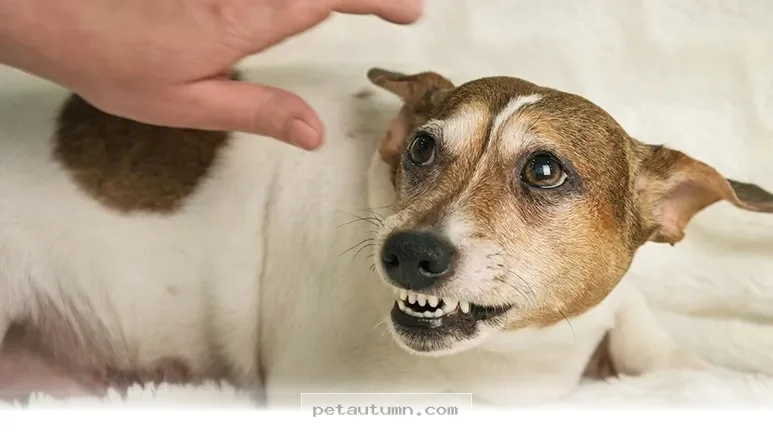
Canine aggression is a complex challenge that affects countless households, often leading to heart-wrenching decisions regarding shelter relinquishment. Understanding the biological roots of these behaviors is a vital step for any dedicated dog owner seeking to help their furry companion live a balanced life.
Researchers are increasingly turning their attention toward the hormonal underpinnings of why our dogs react the way they do. By investigating the chemical signals within a dog’s body, we may soon find more compassionate and effective ways to support those struggling with aggressive tendencies.
Key Takeaways
- Aggression is a primary reason dogs are surrendered to shelters, highlighting the need for better behavioral solutions.
- A study in Frontiers in Psychology identified a potential link between vasopressin levels and reactive behavior in dogs.
- The "love hormone" oxytocin appears to play a protective role, as seen in the calm temperaments of trained assistance dogs.
- Future research into these hormones could shift how we approach behavioral management beyond traditional training methods.
- Identifying biological triggers helps owners better recognize that some behavioral struggles are not just about training but internal chemistry.
The Science Behind Canine Temperament
When we talk about behavior, it is easy to assume that everything is a result of environment or training. However, just like in humans, hormones play a massive role in how a dog perceives and reacts to the world around them.
Scientists are now exploring the "yin and yang" relationship between two specific hormones: oxytocin and vasopressin. These chemicals are thought to be the architects of social behavior, dictating how an animal bonds with others or perceives a threat.
1. Understanding the Hormonal Players
It is helpful to think of these hormones as internal messengers that influence a dog’s emotional baseline. When these systems are out of balance, a dog may find it difficult to remain calm in everyday situations.
- Oxytocin: Frequently called the love hormone, it fosters bonding and feelings of security.
- Vasopressin: This hormone is often linked to territoriality and heightened defensive reactions in many mammals.
Hormonal Comparison Table
| Hormone | Typical Association | Impact on Behavior |
|---|---|---|
| Oxytocin | Social Bonding | Promotes calm, friendly, and trusting interactions |
| Vasopressin | Defensive Instincts | May increase reactive, aggressive, or protective behavior |
| Testosterone | Dominance | Often linked to increased drive and potential territoriality |
2. What the Latest Research Tells Us
In a fascinating study, biologists observed dogs that exhibited leash aggression—meaning they lunged or barked while on a lead—compared to a control group of non-aggressive dogs. The researchers utilized life-size models to trigger natural responses in a controlled setting.
The dogs displaying reactive behaviors consistently showed higher levels of vasopressin in their systems. Interestingly, when compared to highly trained assistance dogs, the aggressive group showed significantly lower levels of oxytocin.
Signs of Leash Reactivity
- Barking or lunging at other dogs or people while on a walk.
- Stiffening of the body or tail held high and rigid.
- Inability to focus on the owner despite high-value treats.
- Growling or snapping when a perceived boundary is crossed.
3. Moving Toward Better Management
The discovery that hormones influence behavior does not mean we should overlook traditional training. Instead, it suggests that we should treat these issues with a more comprehensive lens that includes physical and emotional well-being.
If you suspect your dog is struggling with chronic reactivity, consider these proactive steps to help them feel safer:
- Consult a professional: Reach out to a certified animal behaviorist or your veterinarian to rule out pain or underlying health issues.
- Focus on consistency: Create a predictable daily routine to reduce anxiety, which can help keep hormonal spikes at bay.
- Use positive reinforcement: Build trust through rewards-based training, which may naturally support healthy oxytocin production.
- Prioritize safe exercise: Choose environments where your dog feels comfortable and is less likely to encounter stressful triggers.
- Monitor environmental stressors: Keep a log of when and where reactions occur to help identify specific triggers in your neighborhood.
Pros and Cons of Current Management Strategies
| Strategy | Pros | Cons |
|---|---|---|
| Positive Reinforcement | Builds bond and trust | Requires patience and time |
| Environmental Control | Prevents rehearsal of bad habits | Can be limiting for active dogs |
| Veterinary Consultation | Rules out medical pain/illness | Can be expensive and time-consuming |
| Professional Training | Provides expert guidance | Not all trainers use ethical methods |
The Role of Professional Guidance
It is important to remember that every dog is an individual with a unique history and personality. What works for one dog may not be effective for another, so avoid comparing your journey to others.
The American Kennel Club offers excellent resources on finding qualified trainers who specialize in behavioral challenges. Working with a professional allows you to develop a plan that is safe for both you and your pet.
The information on petautumn.com is for general informational purposes only and does not constitute veterinary advice. Pet health needs vary by breed, age, and individual condition. Always consult a licensed veterinarian before making decisions about your pet’s health, diet, or medical treatment. Pet Autumn is not affiliated with any veterinary organization, pet food manufacturer, or breeder.
Addressing aggression is a marathon, not a sprint. By remaining patient and focusing on your dog’s specific needs, you are taking the right steps toward a more peaceful life together.
Your commitment to understanding your dog’s biology and behavior is the greatest gift you can provide. Keep observing, keep learning, and keep supporting your companion through their unique challenges.

Dog care writer at petautumn.com. Visual Communication Design graduate (S.Ds) from Universitas Udayana. Covers dog breeds, behavior, training, and gear reviews. Dog dad to Meepo. Based in Austin, Texas.