Written by Kadek Darma
Watching a rescue dog finally let their guard down is one of the most rewarding experiences a pet parent can have. It is a slow, beautiful journey that requires immense patience, a gentle touch, and a deep understanding of canine behavior.
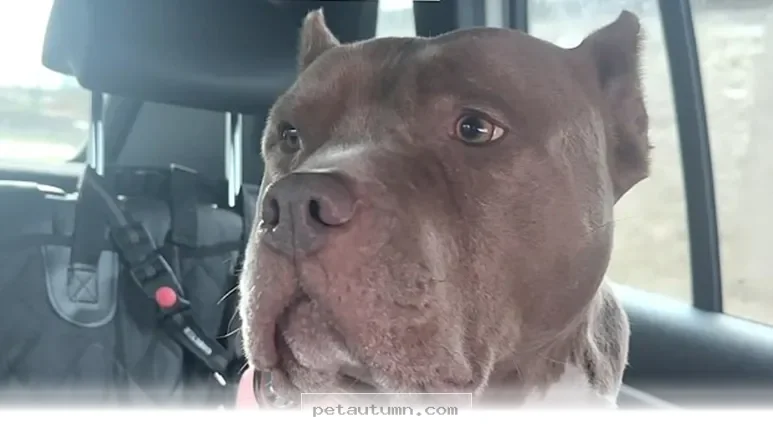
When a dog like Freya moves from a life of isolation to a warm, loving home, the transition is anything but instant. You are essentially helping them learn how to be a dog again, one small victory at a time.
Key Takeaways
- Trust is earned through consistent routines and predictable, calm environments.
- Signs of progress include relaxed body language and seeking out your companionship.
- Never force interactions; allow the dog to approach you on their own terms.
- Professional guidance from a trainer or veterinarian is essential for behavioral support.
Understanding the Rescue Transition
Rescuing a dog means you are stepping into a world where their past experiences shape every current reaction. Many dogs from difficult backgrounds have learned that the world is an unpredictable place, so they keep their guard up to stay safe.
Your goal is to become the steady anchor in their storm. By providing a stable routine and respecting their personal space, you demonstrate that they are finally safe from harm.
1. The Signs of a Recovering Rescue Dog
It can be difficult to track progress when you are in the thick of it. Look for these subtle shifts in your dog’s demeanor as they begin to settle into your home:
- Relaxed posture: Their ears are no longer pinned back, and their tail is at a neutral, resting height.
- Soft eyes: You will see less "whale eye" and more gentle, blinking expressions.
- Playful behavior: Even a simple nudge for a toy is a massive sign of emotional recovery.
- Sleep patterns: Deep, restful sleep in the open is a major indicator that they feel secure.
- Increased curiosity: They start exploring the home instead of hiding in a single corner.
2. Creating a Safe Haven
Before your new companion arrives, prepare a specific area where they can retreat when the world feels too big. This space should be quiet, comfortable, and exclusively theirs, acting as a personal sanctuary.
You might want to stock this area with a few essentials to help them feel at home:
| Supply Item | Why It Helps | Priority |
|---|---|---|
| Calming Bed | Provides physical comfort and security | High |
| Puzzle Toys | Encourages gentle mental stimulation | Medium |
| Quiet Crate | Acts as a den for resting | High |
| Pheromone Diffuser | Mimics natural scents to soothe anxiety | Medium |
| Non-Slip Mats | Prevents anxiety-induced pacing slips | Low |
3. Building Trust Through Routine
Dogs thrive on predictability, especially those who have experienced trauma. Try to feed, walk, and engage in play at the same times every day to help them understand what to expect next.
Consistency reduces the need for them to be hyper-vigilant. When they know dinner is coming at six and a walk follows, they can stop worrying about their basic needs and start focusing on bonding with you.
4. Respecting Boundaries
One of the most common mistakes owners make is showering a new dog with too much attention too soon. It is tempting to cuddle them, but a dog that has been isolated may find this overwhelming or even frightening.
Instead, practice the "ignore" method. Sit in the same room while reading or working, and let them come to you when they are ready. This shows them that you are present but not demanding, which is a powerful way to build confidence.
5. Seeking Expert Support
If your dog displays persistent fear, aggression, or extreme separation anxiety, it is time to reach out for help. Consulting with a certified professional trainer or a veterinary behaviorist can provide you with a structured plan tailored to your dog’s unique needs.
You can learn more about finding the right support by visiting resources like the American Kennel Club. Working with experts ensures that you are using positive, science-based methods to help your dog heal.
The information on petautumn.com is for general informational purposes only and does not constitute veterinary advice. Pet health needs vary by breed, age, and individual condition. Always consult a licensed veterinarian before making decisions about your pet’s health, diet, or medical treatment. Pet Autumn is not affiliated with any veterinary organization, pet food manufacturer, or breeder.
Helping a rescue dog feel safe is a marathon, not a sprint. There will be days when it feels like you are taking one step forward and two steps back, but those moments of progress make every bit of effort worth it.
Keep offering your love, your time, and your patience. Before long, you will look over and see your rescue dog sleeping soundly, finally knowing that they are home for good.

Dog care writer at petautumn.com. Visual Communication Design graduate (S.Ds) from Universitas Udayana. Covers dog breeds, behavior, training, and gear reviews. Dog dad to Meepo. Based in Austin, Texas.