Written by Ayu Pratiwi
Rescue work often leads to unexpected surprises that change your life forever. While most volunteers focus on specific goals, the universe sometimes has other plans for them.
A team of dedicated rescuers set out to help a feral mother cat and her kittens. Instead of finding just the expected feline family, they discovered a special tomcat waiting in the shadows.
Key Takeaways
- Rescuing feral colonies requires patience, proper equipment, and a calm approach.
- Polydactyl cats, or cats with extra toes, often possess unique personalities and physical traits.
- Providing a foster space for adult male cats can be just as rewarding as helping kittens.
- Always prioritize safety by working with local ASPCA resources for trap-neuter-return support.
- Every rescue mission has the potential to save an overlooked animal in need.
The Mission Begins
The plan seemed straightforward enough. A local feral colony needed attention, and the team wanted to ensure the mother and her babies reached safety.
Trapping feral cats requires precision and a gentle touch. You must move slowly to ensure the animals do not become frightened or bolt into danger.
A Surprise Discovery
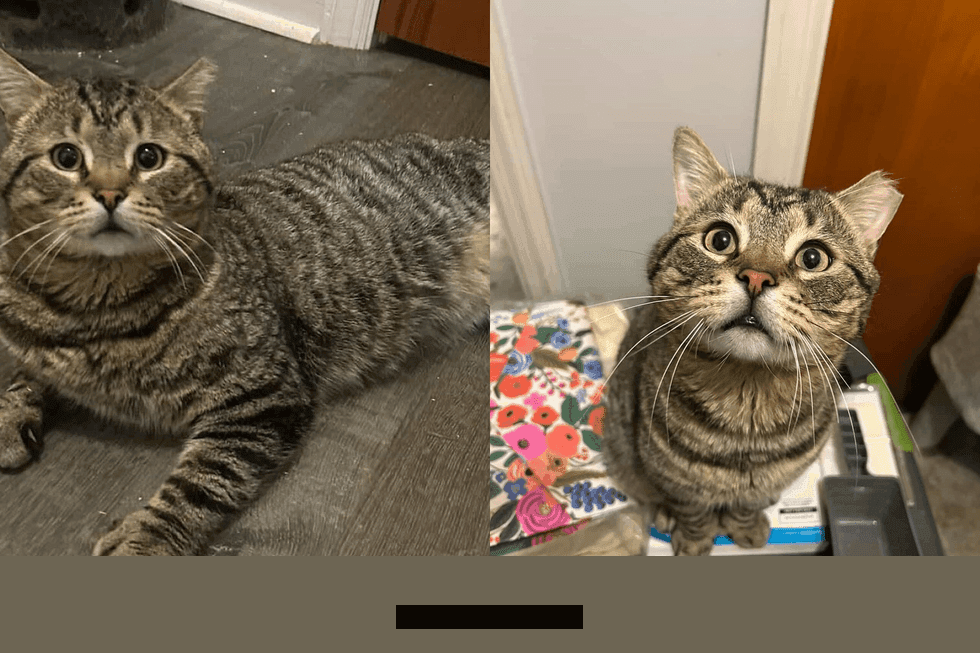
As the rescuers scanned the area for the mother, they noticed a large, scarred tabby watching from a distance. He looked rough around the edges but held a quiet, stoic presence.
This tomcat was clearly struggling with life on the streets. His paws appeared unusually large, hinting that he was a polydactyl cat.
Understanding Polydactyl Cats
- These cats carry a genetic trait resulting in extra toes on their paws.
- They were historically prized by sailors for their excellent balance on ships.
- Their oversized paws often function like natural snowshoes for climbing.
- Most polydactyl cats are healthy and lead normal, happy lives.
| Feature | Standard Cat | Polydactyl Cat |
|---|---|---|
| Toe Count | Typical anatomy | Extra digits present |
| Balance | High agility | Enhanced grip |
| Grooming | Standard needs | Requires nail checks |
The team realized they could not leave this big guy behind. He needed medical care and a chance at a real home.
Welcoming the Outsider
Bringing a tomcat into a foster environment is a unique challenge. You have to earn their trust after they have spent years defending their territory.
This particular cat seemed to understand that the rescuers were there to help. He leaned into their touch, showing a surprising amount of affection despite his rugged history.
Tips for Helping Feral Cats
- Create a quiet, dark sanctuary room with plenty of hiding spots.
- Limit your time in the room initially to let him adjust to scents.
- Offer high-value treats to build positive associations with your presence.
- Monitor his behavior for signs of stress or comfort levels daily.
- Use Cornell Feline Health Center guidelines for transition care.
Transitioning an outdoor cat requires a slow, steady rhythm. You must let the animal dictate the pace of your growing friendship.
Why Foster Adult Cats
Many people focus solely on kittens, but adult cats have so much love to give. They often settle into routines quickly once they feel safe.
- Adult cats usually have fully developed personalities you can recognize immediately.
- They are often less destructive than energetic, teething kittens.
- Rescuing a tomcat helps lower the population of unwanted litters in your neighborhood.
- You gain the satisfaction of giving a senior or adult cat a second chance.
| Pros | Cons |
|---|---|
| Established behavior | May require socialization |
| Calmer energy | History can be unknown |
| Lower maintenance | Potential health history |
Taking in an older cat is a compassionate act of service. You are essentially rewriting his story from one of survival to one of comfort.
Moving Forward Together
The mother and her kittens eventually found their forever families through local adoption networks. The special polydactyl tomcat also found a permanent place to rest his big, tired paws.
His journey reminds us that help often finds those who are most in need. You never know who you might encounter on your next rescue trip.
The information on petautumn.com is for general informational purposes only and does not constitute veterinary advice. Pet health needs vary by breed, age, and individual condition. Always consult a licensed veterinarian before making decisions about your pet’s health, diet, or medical treatment. Pet Autumn is not affiliated with any veterinary organization, pet food manufacturer, or breeder.
Building a bond with a rescued cat is a journey of patience and kindness. You provide the safety, and they provide the companionship that makes it all worthwhile.
Keep your heart open to the strays you meet on your path. A little kindness goes a long way in changing a life forever.
Cat care writer at petautumn.com. English Literature graduate (S.S) from Universitas Udayana. Covers cat breeds, behavior, nutrition, grooming, and health. Cat mom to Luna and Lina. Based in Austin, Texas.