Written by Ayu Pratiwi
Have you ever looked at a tiny kitten and felt that something just wasn’t quite right? Sometimes, our feline friends are masters of disguise, hiding their struggles behind a thick coat of fluff.
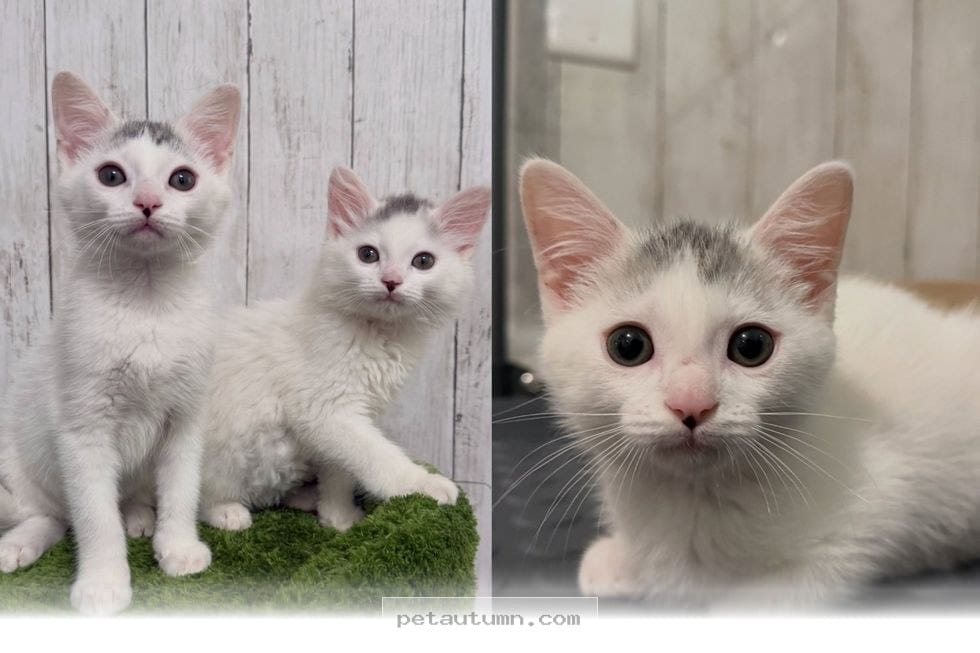
This was exactly the case for one sweet, long-haired kitten who had been quietly losing weight. He managed to hide nearly a quarter of his body mass until a observant human finally stepped in to help.
Key Takeaways
- Fluff can easily mask significant weight loss in growing kittens.
- Early intervention is vital for malnourished or underweight rescue animals.
- Bonded pairs often rely on each other for comfort during recovery.
- Consistent health monitoring helps catch hidden issues before they become emergencies.
The Hidden Struggle of a Fluffy Kitten
Many of us assume that a kitten with a lot of fur is automatically healthy and robust. Unfortunately, that thick, luxurious coat often acts as a cloak for underlying health concerns or nutritional deficiencies.
This particular kitten looked perfectly round from a distance, but his actual physical condition told a different story. Beneath all that soft hair, his bones were far more prominent than they should have been for his age.
Common Signs of Weight Loss in Kittens
If you are worried about your own cat, keep a close eye on these physical indicators. Always reach out to your veterinarian if you notice these changes in your pet.
- Visible backbone or hip bones when you pet them.
- Sudden changes in appetite or refusal to finish meals.
- Lethargy or reduced interest in playtime with siblings.
- Dull, dry, or matted fur that lacks its usual luster.
- A sunken appearance around the abdominal area.
Why Careful Observation Matters
When you welcome a new kitten into your home, you become their primary advocate. You are the one who notices the subtle shifts in behavior or physical appearance that others might miss.
This kitten was lucky that someone took the time to feel past the fluff. Once his weight loss was identified, he could finally receive the targeted care he needed to thrive.
Comparing Healthy Weight vs. Underweight Indicators
| Indicator | Healthy Weight | Underweight/Caution |
|---|---|---|
| Ribs | Feelable with light touch | Easily visible |
| Spine | Smooth, cushioned | Protruding vertebrae |
| Energy | Active and curious | Sluggish or hiding |
1. How to Check Your Kitten at Home
You can perform a simple check at home to ensure your kitten is maintaining a healthy weight. Follow these steps to become familiar with your pet’s body condition.
- Gently run your hands along your kitten’s sides while they are standing.
- Feel for the ribs without pressing down hard; they should feel like a light layer of padding.
- Look at your kitten from directly above to check for a natural, slight waistline.
- Observe your kitten from the side to ensure the belly isn’t overly tucked or distended.
- Record these observations weekly to track any sudden changes in body shape.
The Power of Bonded Pairs
This kitten was not alone in his journey, as he had a supportive brother by his side. Having a friend provides immense comfort, which can actually help a stressed or sick kitten heal faster.
Bonded kittens often share food, warmth, and confidence. When one is struggling, the other often provides the emotional support needed to keep them going.
Benefits of Adopting Bonded Pairs
- Reduced anxiety when adjusting to a new environment.
- Natural socialization and play partners for one another.
- Lower risk of behavioral issues like boredom or loneliness.
- Greater ease in training as they often mirror each other.
If you want to learn more about how to keep your feline friends healthy, you can read more at the ASPCA. Proper nutrition and regular checkups remain the cornerstones of a long, happy life for your cat.
The information on petautumn.com is for general informational purposes only and does not constitute veterinary advice. Pet health needs vary by breed, age, and individual condition. Always consult a licensed veterinarian before making decisions about your pet’s health, diet, or medical treatment. Pet Autumn is not affiliated with any veterinary organization, pet food manufacturer, or breeder.
Watching this little survivor regain his strength is a beautiful reminder of why we pay attention. Every ounce of weight he gained was a step toward a brighter, more playful future.
By being proactive, you can ensure your own pets never have to hide their struggles. Your love and attention truly are the best medicine for any fluffy friend.
Cat care writer at petautumn.com. English Literature graduate (S.S) from Universitas Udayana. Covers cat breeds, behavior, nutrition, grooming, and health. Cat mom to Luna and Lina. Based in Austin, Texas.