Written by Kadek Darma
Finding the perfect exercise partner can transform your daily jog from a chore into the highlight of your day. If you share your home with a high-energy dog, you already have a motivated teammate waiting by the door.
These twelve breeds are natural athletes that were born to run. Whether you prefer sprinting through the park or tackling long-distance trails, there is a canine companion perfectly suited to your pace.
Key Takeaways
- Always consult your veterinarian before starting a new fitness routine with your dog to ensure they are physically ready.
- Monitor your dog closely for signs of fatigue, such as excessive panting, limping, or heaving sides.
- Avoid running during extreme weather conditions, such as high heat, humidity, or icy road surfaces.
- Consider adopting from a local shelter or rescue organization, as many mixed-breed dogs are fantastic runners.
- Match your dog’s natural endurance and speed to your specific running style to ensure a safe, enjoyable experience.
Understanding Your Dog’s Running Needs
Before you lace up your sneakers, remember that every dog has a unique physiology. While some breeds excel at short, lightning-fast sprints, others possess the stamina to accompany you on marathon training sessions.
Understanding your dog’s breed traits and physical limitations will help you stay safe on the road. Always prioritize your dog’s comfort and health above your personal mileage goals.
1. Identifying Potential Risks
Running can be strenuous, and it is vital to recognize when your dog needs a break. Keep a watchful eye for these common signs of overexertion:
- Persistent limping or favoring a limb
- Excessive panting or difficulty catching breath
- Dropping behind the pace or refusing to move
- Gums that appear bright red or pale instead of healthy pink
- Behavioral changes like sudden stalling or vocalizing
2. Running Safety Comparison Table
Use this guide to help you recognize when to adjust your running plans based on environmental factors.
| Condition | Status | Recommendation |
|---|---|---|
| Mild Temperature (60-70°F) | Safe | Enjoy a long, steady run. |
| High Humidity | Caution | Keep runs short and in the shade. |
| Extreme Heat/Pavement | Warning | Avoid outdoor activity; stay indoors. |
Top 12 Breeds for Runners
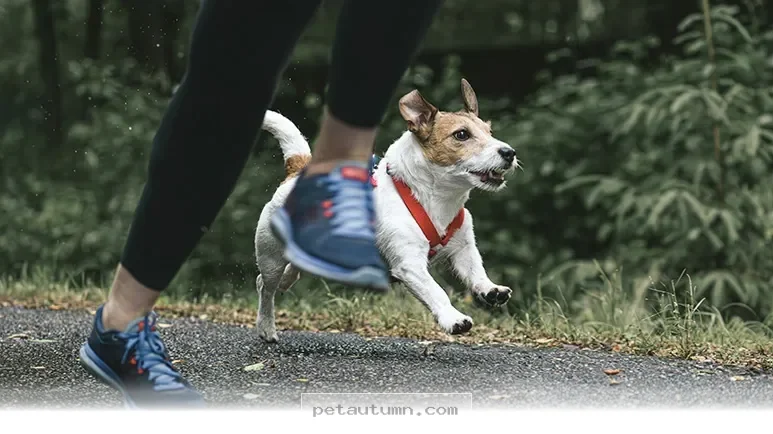
1. Jack Russell Terrier
These small dogs pack an incredible amount of energy into a compact frame. They are surprisingly resilient and can maintain a quick pace for impressive distances.
2. Brittany Spaniel
Often called the "breeze" of the sporting world, this breed is built for agility. Their light frame and boundless enthusiasm make them ideal for uneven terrain.
3. Dalmatian
Historically bred to run alongside carriages, these dogs are natural long-distance partners. They possess a rhythmic, steady gait that matches well with human runners.
4. Greyhound
Famous for their speed, these dogs can hit 45 mph in a flash. While they love to sprint, they are equally happy lounging on your sofa afterward.
5. Whippet
Often referred to as a "poor man’s racehorse," these dogs are built for explosive speed. They are sleek, efficient, and very agile on the track.
6. German Shorthaired Pointer
This breed is the definition of an all-terrain athlete. With muscular hindquarters and endless endurance, they are perfect for long runs or rugged bike-joring.
7. Standard Poodle
Don’t let the grooming fool you; these are powerful, intelligent retrievers. They possess the stamina required for long-distance efforts and enjoy the mental stimulation of a run.
8. Australian Cattle Dog
Bred for herding, these dogs are literally hardwired to move all day. They will likely be the one pushing you to keep going when you get tired.
9. Airedale Terrier
Airedales have a short, wiry coat that helps them stay comfortable in warmer weather. They are sturdy, reliable partners for your standard 10K runs.
10. Border Collie
Renowned for their intelligence, these dogs are also incredibly fast. They can easily reach speeds of 30 mph, making them great for high-intensity intervals.
11. Weimaraner
Known as the "grey ghost," this breed is remarkably adaptable. They excel at both quick sprints and slow, steady endurance runs on varying surfaces.
12. Siberian Husky
If you enjoy cold-weather running, you cannot find a better partner. These dogs were born to pull sleds, so their endurance in frigid temperatures is unmatched.
Preparing for Your First Run
Before you head out, ensure you have the right gear. A secure, comfortable harness is essential for preventing neck strain while your dog is on the move.
Always bring plenty of fresh water for your companion. Many veterinary experts suggest carrying a collapsible bowl to ensure your dog stays hydrated throughout the journey.
The information on petautumn.com is for general informational purposes only and does not constitute veterinary advice. Pet health needs vary by breed, age, and individual condition. Always consult a licensed veterinarian before making decisions about your pet’s health, diet, or medical treatment. Pet Autumn is not affiliated with any veterinary organization, pet food manufacturer, or breeder.
Building a bond through shared exercise is one of the most rewarding parts of pet ownership. Whether you are running with a high-speed Greyhound or a sturdy Poodle, the time spent together strengthens your connection.
Remember to celebrate your dog’s accomplishments with praise and a cool-down session after each run. Keep your routine fun, safe, and consistent to ensure your furry friend stays happy and healthy for years to come.

Cat care writer at petautumn.com. English Literature graduate (S.S) from Universitas Udayana. Covers cat breeds, behavior, nutrition, grooming, and health. Cat mom to Luna and Lina. Based in Austin, Texas.