Written by Ayu Pratiwi
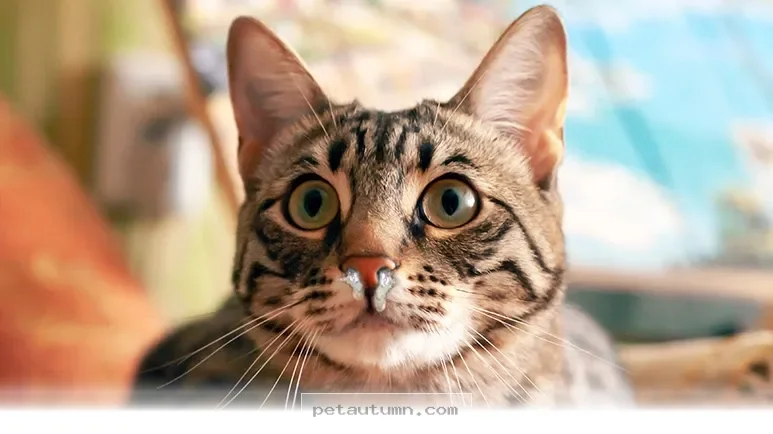
That cute little sneeze from your feline friend might seem adorable at first glance. You laugh, offer a gentle "bless you," and go about your day without a second thought.
However, a persistent runny nose or a soft snuffling sound in your cat is often more than just a passing cold. It can be a signal that something deeper requires your attention.
Key Takeaways
- A runny nose in cats, known as rhinitis, can stem from viruses, bacteria, fungi, or even dental disease.
- Discharge color matters: clear usually suggests allergies or viruses, while yellow or green often indicates a secondary bacterial infection.
- Open-mouth breathing is a medical emergency for cats because they are obligate nasal breathers.
- One-sided nasal discharge is frequently linked to dental infections or foreign objects rather than systemic illness.
- Cats are experts at masking pain, so persistent respiratory changes should always be evaluated by your veterinarian.
Understanding Feline Rhinitis
That sneezy, runny nose has a clinical name: rhinitis, which is the inflammation of the lining inside your cat’s nasal cavity. It can appear suddenly as an acute issue or linger for months, becoming a chronic condition.
In the feline world, the reasons behind this inflammation are often complex. While humans might just have a common cold, cats deal with a wider range of health factors.
Common Causes of Nasal Discharge
Because many different conditions look identical on the surface, you should understand the primary culprits. Identifying the root cause is the first step in helping your cat breathe comfortably again.
1. Viral and Bacterial Infections
Upper respiratory infections are incredibly common, particularly in multi-cat households or shelters. Feline Herpesvirus-1 and Feline Calicivirus are frequent offenders that may flare up during periods of high stress.
While these viruses cause the initial irritation, secondary bacterial infections often follow. Bacteria like Mycoplasma or Bordetella can move in to take advantage of the weakened nasal tissues.
2. The Hidden Dental Connection
Many pet owners are shocked to learn that their cat’s "cold" is actually a tooth issue. Because the roots of the upper teeth sit so close to the nasal cavity, a severe tooth root infection or an oronasal fistula can cause significant nasal discharge.
This type of discharge is frequently limited to one nostril. If your cat has a runny nose on only one side, a dental exam is often the missing piece of the puzzle.
3. Fungal and Environmental Factors
Fungal infections, such as those caused by Cryptococcus, can be quite serious if left untreated. These organisms can sometimes damage the delicate bone structures within the nose and face.
Meanwhile, environmental triggers like pollen, dust, or heavy fragrances can lead to allergic rhinitis. While less common than in humans, allergies still cause watery eyes and persistent sneezing in sensitive cats.
4. Foreign Objects and Growths
Curious cats occasionally inhale small objects like grass seeds or bits of debris. If your cat starts sneezing violently and suddenly, a foreign object could be lodged in the nasal passage.
Nasal polyps are another possibility, especially in younger cats. These are benign growths that can physically obstruct the airway and trigger constant inflammation.
Evaluating Nasal Symptoms
| Symptom | Potential Concern | Action Required |
|---|---|---|
| Clear, watery discharge | Allergies or early viral infection | Monitor and consult vet |
| Thick yellow or green discharge | Bacterial infection | Schedule a vet visit |
| One-sided discharge | Dental issue or foreign object | Urgent vet examination |
| Bloody discharge | Trauma, tumor, or severe infection | Emergency vet care |
| Open-mouth breathing | Respiratory distress | Immediate emergency care |
When to Seek Veterinary Care
While a single sneeze is rarely a cause for alarm, certain patterns indicate that your cat needs help. You should reach out to your veterinarian if you notice the following signs:
- Persistent discharge that lasts more than a few days
- Changes in the color or consistency of the mucus
- Frequent or forceful sneezing fits
- Noticeable snoring or snuffling sounds
- Pawing at the face or sneezing blood
- Reduced appetite caused by a loss of smell
The information on petautumn.com is for general informational purposes only and does not constitute veterinary advice. Pet health needs vary by breed, age, and individual condition. Always consult a licensed veterinarian before making decisions about your pet’s health, diet, or medical treatment. Pet Autumn is not affiliated with any veterinary organization, pet food manufacturer, or breeder.
Preparing for Your Appointment
When you notice your cat struggling with respiratory issues, keep a log of when the symptoms started. Note if anything in your home has changed, such as a new cleaning product or a move to a new house.
Your vet will likely perform a thorough physical exam to narrow down the cause. They may suggest diagnostics like blood work, dental X-rays, or imaging to see exactly what is happening inside those tiny nasal passages.
Watching your cat deal with a runny nose is never fun, but being proactive makes all the difference. By paying attention to these subtle cues, you ensure your cat stays happy and healthy for years to come.
Remember that early intervention is the best way to prevent a simple sniffle from turning into a long-term problem. Your veterinarian is your best partner in navigating these health challenges.

Dog care writer at petautumn.com. Visual Communication Design graduate (S.Ds) from Universitas Udayana. Covers dog breeds, behavior, training, and gear reviews. Dog dad to Meepo. Based in Austin, Texas.