Written by Ayu Pratiwi
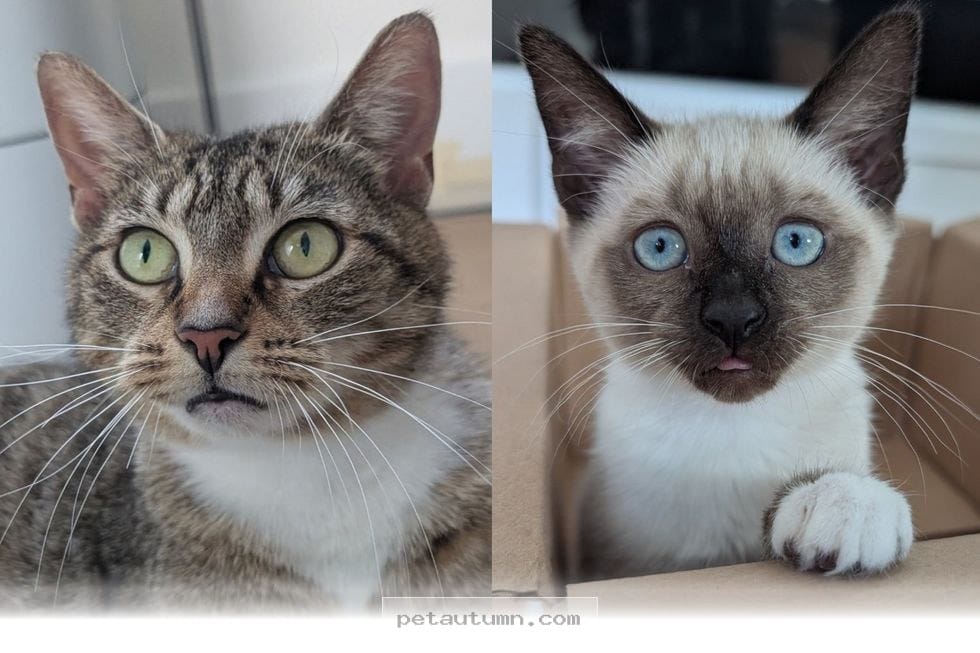
Rescue stories often begin in the shadows, but some illuminate the incredible strength found in the animal kingdom. When a mama cat finds herself alone with a single survivor after a harrowing ordeal, her maternal instincts shift into high gear.
Watching a feline parent protect her last little one reminds us why we cherish these creatures so deeply. It is a story of resilience, survival, and the quiet beauty of a bond forged through difficult circumstances.
Key Takeaways
- Early rescue interventions are vital for the survival of feral mama cats and their kittens.
- Single survivor kittens often receive intense maternal care, which can lead to a very strong emotional bond.
- Providing a safe, quiet environment is essential for a nursing mother who has experienced trauma.
- Foster care offers a necessary bridge between life on the streets and a permanent forever home.
The Journey from Rescue to Recovery
The path to safety is rarely smooth for cats living in colonies. Often, these animals face malnutrition, illness, and the harsh realities of outdoor survival before kind humans intervene.
When rescuers finally bring a nursing cat into a controlled environment, the transition requires immense patience. She needs to feel that her space is secure so she can focus entirely on her remaining kitten.
Moving from a dangerous colony to a warm living room changes everything for a family of cats. Stress levels drop significantly once they realize that consistent meals and soft blankets are now their new reality.
Understanding the Needs of a Nursing Rescue
You might wonder what it takes to support a mama cat who has lost part of her litter. Her behavior might be guarded, but providing consistent support helps her relax and prioritize her survivor.
According to the ASPCA, providing a quiet sanctuary room is the single best way to help a rescued mother cat adjust. A calm atmosphere allows her to nurse without the distraction of household noise or other pets.
1. Essential Support Tips
- Keep the environment quiet to reduce the cat’s anxiety levels.
- Provide high-calorie kitten food to support her milk production.
- Ensure she has a private, dark nesting box for security.
- Monitor the kitten’s weight daily to ensure consistent development.
- Maintain a consistent feeding schedule to build trust with her rescuers.
2. Common Signs of Stress in Rescue Cats
- Hiding under furniture for long periods.
- Excessive grooming or hair pulling.
- Refusal to eat or drink near humans.
- Hissing or swatting when approached too quickly.
- Restlessness and inability to settle down.
Comparing Care Approaches
Providing the right care for a rescued family requires balancing medical needs with emotional comfort. You can see how different environments affect the well-being of a mother and her kitten in the table below.
| Environment | Impact on Mother | Risk Level |
|---|---|---|
| Quiet Sanctuary Room | Calm and nurturing | Low |
| Busy Household | Anxious and alert | Medium |
| Outdoor Colony | High stress and survivalist | High |
Transitioning a cat from a high-stress environment to a sanctuary room requires careful observation and time.
Bonding with the Survivor
When a mother cat loses most of her litter, she often pours all her affection into the remaining kitten. This creates a unique dynamic where the pair becomes inseparable during the early months of life.
The kitten benefits from undivided attention, which often helps them become more confident and social. You will likely notice them cuddling constantly, a behavior that serves as a comfort mechanism for both.
What to Expect During Socialization
- The mother may be protective of the kitten around strangers.
- The kitten will look to the mother for cues on how to react to new things.
- Playtime will likely involve the mother teaching the kitten basic hunting skills.
- As the kitten grows, they will gradually become more independent from their parent.
For more information on feline behavioral cues, you can visit Cornell Feline Health Center. Understanding these signals helps you know when to step in and when to give them space.
The information on petautumn.com is for general informational purposes only and does not constitute veterinary advice. Pet health needs vary by breed, age, and individual condition. Always consult a licensed veterinarian before making decisions about your pet’s health, diet, or medical treatment. Pet Autumn is not affiliated with any veterinary organization, pet food manufacturer, or breeder.
Watching this duo thrive proves that love and safety can overcome the most tragic beginnings. They remind us that every life saved carries a story of hope and renewal.
If you ever find yourself fostering a mama cat, remember that your patience is her greatest asset. She is teaching her survivor that the world can be a gentle place after all.
Cat care writer at petautumn.com. English Literature graduate (S.S) from Universitas Udayana. Covers cat breeds, behavior, nutrition, grooming, and health. Cat mom to Luna and Lina. Based in Austin, Texas.