Written by Ayu Pratiwi
Living with an African gray parrot is a bit like sharing your morning coffee with a tiny, feathered philosopher who has very strong opinions about your choice of mug. If you have ever met one, you know exactly what I mean; they are brilliant, observant, and occasionally quite bossy.
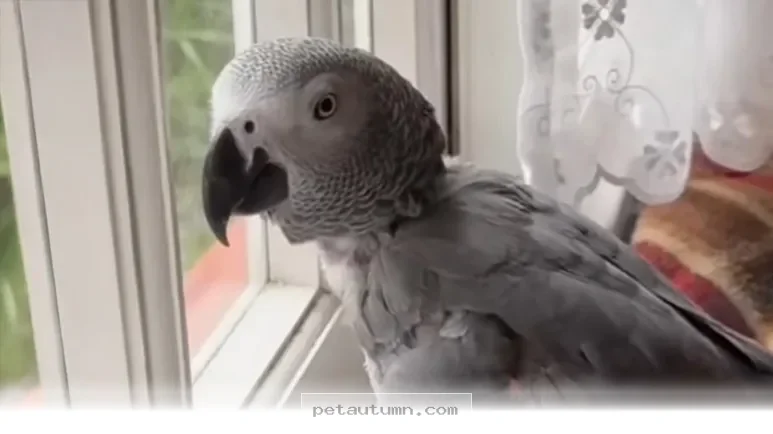
Jack, a wonderful African gray parrot, is the perfect example of how these birds can truly become the heartbeat of a home. After experiencing a significant life change, she found a new family that embraces her quirks, her love for afternoon tea, and her endearing, if sometimes loud, personality.
Key Takeaways
- African gray parrots are highly intelligent and require significant mental stimulation to stay happy.
- Building trust with a rehomed parrot takes patience, consistent routine, and lots of positive reinforcement.
- These birds are masters of mimicry and will often pick up the phrases they hear most frequently in your home.
- Social interaction is vital; they view their human family as their flock and need to be included in daily activities.
Understanding the African Gray Personality
African gray parrots are famous for their cognitive abilities and their remarkable capacity to mirror human speech. It is not just about parroting sounds; these birds often understand the context of what they are saying, which is why Jack can express her displeasure or excitement so clearly.
When you bring a bird like Jack into your life, you are not just getting a pet. You are gaining a companion that observes your every move and likely has a firm opinion on how you should be spending your time.
1. The Need for Mental Enrichment
Because they are so smart, they can get bored very quickly if left alone without toys or puzzles. You should rotate their toys often to keep their interest piqued.
2. The Importance of Routine
Parrots thrive on consistency. Maintaining a set schedule for feeding, social interaction, and sleep helps them feel secure and reduces anxiety in their environment.
3. Reading Body Language
Learning to read your bird’s body language is the best way to understand their mood. A bird that is puffing its feathers or pinning its eyes may be trying to communicate something specific to you.
| Feature | African Gray Trait | Why It Matters |
|---|---|---|
| Intelligence | High | Needs puzzles and training |
| Social Needs | High | Requires daily family interaction |
| Noise Level | Moderate | Vocalizes to communicate feelings |
| Lifespan | Long | Requires a lifetime commitment |
Welcoming a Rescued Parrot Home
Bringing a bird into your home that has already had another family requires a gentle approach. Jack’s transition was successful because her new family allowed her to set the pace, respecting her boundaries while showing her that she was safe.
Steps to Build Trust with Your Bird
- Create a calm environment: Give your bird a quiet space where they can observe the household without feeling overwhelmed.
- Use positive reinforcement: Offer healthy treats and verbal praise when they exhibit calm or desirable behavior.
- Spend quality time nearby: Simply sitting near the cage and reading or working helps the bird get used to your presence without pressure.
- Be patient with vocalizations: Understand that they are learning your voice and the new sounds of your home, which takes time.
While these birds are incredibly rewarding, they do come with specific needs. You must be prepared for the reality of living with such a social and intelligent creature, as outlined in the table below.
| Consideration | The Reality |
|---|---|
| Companionship | Incredible bond and daily interaction. |
| Time Commitment | Needs several hours of social time daily. |
| Cleanliness | Requires frequent cleaning of the cage area. |
| Dietary Needs | Needs a specialized, varied diet. |
Keeping Your Feathered Friend Healthy
A healthy bird is a happy bird. Ensuring your parrot has access to fresh vegetables, high-quality pellets, and clean water is the foundation of their physical well-being.
- Fresh Produce: Leafy greens, carrots, and peppers are excellent staples.
- Foraging Toys: These encourage natural behaviors and keep the mind sharp.
- Regular Checkups: Annual visits to an avian veterinarian are essential for early detection of issues.
- Proper Lighting: Full-spectrum light helps birds maintain their vitamin D levels and overall health.
If you are interested in learning more about avian care, The Cornell Lab of Ornithology offers wonderful resources for understanding bird behavior. You can also consult the ASPCA for general guidelines on providing a safe home environment for your exotic pets.
The information on petautumn.com is for general informational purposes only and does not constitute veterinary advice. Pet health needs vary by breed, age, and individual condition. Always consult a licensed veterinarian before making decisions about your pet’s health, diet, or medical treatment. Pet Autumn is not affiliated with any veterinary organization, pet food manufacturer, or breeder.
Jack’s story is a beautiful reminder that our pets are individuals with their own histories, preferences, and ways of showing love. Whether she is chatting about teatime or simply hanging out, she proves that the effort of building a relationship with a parrot is well worth it.
If you have space in your heart and home for a bird, remember that you are embarking on a journey that could last for decades. Enjoy every conversation and every shared moment with your opinionated, feathered friend.
Cat care writer at petautumn.com. English Literature graduate (S.S) from Universitas Udayana. Covers cat breeds, behavior, nutrition, grooming, and health. Cat mom to Luna and Lina. Based in Austin, Texas.