Written by Kadek Darma
When your dog is sore, stiff, or recovering from an injury, you would give just about anything to make them feel better. The good news is that one of the most effective comfort tools does not come from the pharmacy, but from your freezer or a heating pad.
It is called thermotherapy, the simple practice of using heat or cold to manage pain, reduce inflammation, and support healing. Used correctly, it can make a real difference in your dog’s comfort and recovery.
Key Takeaways
- Cold therapy is best for fresh injuries, swelling, and acute flare-ups to calm inflammation.
- Heat therapy helps loosen tight muscles and stiff joints, making it ideal for chronic aches.
- Always use a towel barrier between the pack and your dog’s skin to prevent damage.
- Limit sessions to 10 to 20 minutes and monitor your dog for signs of discomfort.
- Never apply heat to a fresh injury, as it can increase swelling and worsen the condition.
Understanding Temperature Therapy for Dogs
Heat and cold each affect the body in opposite ways to help manage discomfort. Heat increases blood flow to the area, which brings oxygen and nutrients to the cells while helping to move waste products out.
This process relaxes tight muscles and eases stiff joints in your canine companion. It is especially helpful for chronic pain, arthritis, and the kind of all-over tension that builds up in older dogs.
Cold does the opposite by narrowing blood vessels and limiting the production of inflammatory chemicals. This approach effectively numbs pain and reduces swelling, acting as a natural way to calm an irritated area.
1. When to Use Cold Therapy
Cold therapy, sometimes called cryotherapy, works best during the first 24 to 48 hours after an injury. It is a fantastic tool to have on hand for the following situations:
- Sudden injuries like bumps, bruises, or twisted legs.
- Managing swollen or puffy areas after minor activity.
- Post-surgical recovery, only after checking with your veterinarian.
- Cooling down joints after long walks or intense play sessions.
- Soothing flare-ups of chronic arthritis if the joint feels warm.
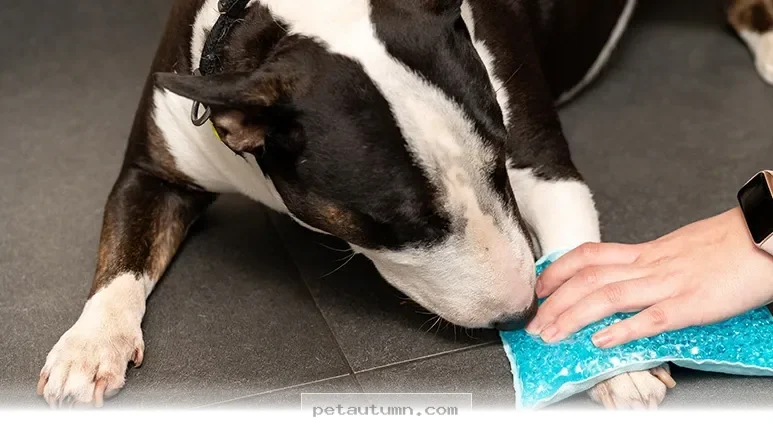
To use this safely, wrap an ice pack or a bag of frozen vegetables in a thin or damp towel. Place it on the affected area for 10 to 20 minutes at a time, two to four times a day.
2. When to Use Heat Therapy
Heat therapy shines for chronic pain and the everyday stiffness that often accompanies aging. It is the perfect choice for the following scenarios:
- Morning stiffness, which is common in senior dogs.
- Tight, tense muscles caused by overexertion or lack of movement.
- Loosening up arthritic joints before going for a gentle walk.
- Providing long-term comfort for recurring joint discomfort.
- Supporting muscles during or after physical therapy sessions.
Use a warm, not hot, compress or a gel pack heated in the microwave on a low setting. Always wrap the pack in a damp towel before placing it on your dog’s body to ensure the heat is gentle.
Comparing Treatment Options
| Treatment | Primary Benefit | Best Use Case | Frequency |
|---|---|---|---|
| Cold Therapy | Reduces Swelling | Fresh injuries (0-48 hrs) | 2-4 times daily |
| Heat Therapy | Relaxes Muscles | Chronic, stiff joints | 1-3 times daily |
| No Therapy | N/A | Open wounds or skin sores | Never |
Always monitor your dog closely during these sessions to ensure they remain relaxed and comfortable.
Essential Safety Guidelines for Pet Owners
There are a few important rules to remember when you start using these methods at home. First, never use heat on a fresh injury or immediately after surgery, as warmth can increase swelling and delay the healing process.
Always put a barrier between the pack and the skin to prevent frostbite or burns. You should also check the skin every few minutes and stop immediately if your dog seems agitated or pulls away.
Preparation Checklist
- Soft towels or fabric covers for the ice or heat packs.
- A reliable timer to track the 10 to 20-minute sessions.
- A comfortable, quiet space for your dog to rest during the therapy.
- Consultation notes from your veterinarian regarding specific areas to avoid.
You can find more guidance on pet wellness through the American Kennel Club. Consistent, gentle care helps maintain your dog’s mobility and happiness as they age.
The information on petautumn.com is for general informational purposes only and does not constitute veterinary advice. Pet health needs vary by breed, age, and individual condition. Always consult a licensed veterinarian before making decisions about your pet’s health, diet, or medical treatment. Pet Autumn is not affiliated with any veterinary organization, pet food manufacturer, or breeder.
Thermotherapy is a wonderful way to bond with your dog while helping them feel their best. By paying attention to their cues and choosing the right temperature for their specific needs, you provide comfort that lasts.
If you are unsure about whether heat or cold is appropriate for your pet’s condition, please reach out to your veterinarian. They can help you create a safe, personalized care plan to keep your furry friend moving comfortably for years to come.

Dog care writer at petautumn.com. Visual Communication Design graduate (S.Ds) from Universitas Udayana. Covers dog breeds, behavior, training, and gear reviews. Dog dad to Meepo. Based in Austin, Texas.